
5 cleaning myths that might be making your home dirtier |
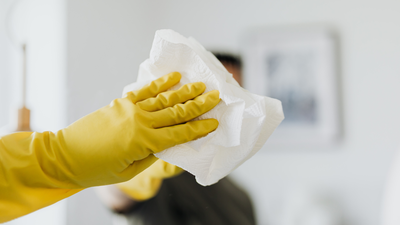
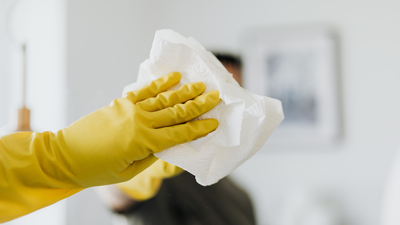
While keeping our homes spotless is an impossible dream, we have all grown up listening to time-tested advice on keeping our homes clean. But what if I tell you that some of this time-tested advice is not only ineffective but also causing more damage than good? While research on hygiene is growing by the day, experts have come up with some hard facts on cleaning myths. These myths range from overusing cleaning products to incorrect beliefs about bacteria. Before we discuss the myths, let’s take a look at five cleaning myths that are causing us to live in a dirtier home than we think we are.
Common cleaning myths that make your home dirtier
- More cleaning products will produce better results
- Bleach cleans everything
- Making your bed straight away is more hygienic
Feather dusters are good at removing dust- Vinegar is an effective cleaner
Using more cleaning product means better results
It might seem sensible that using more soap or a cleaner will produce better results. However, the reality is that using more can actually produce the opposite effect. Overuse of cleaning products is one of the most common mistakes that households make.
- Excess soap creates a sticky film
- This film traps the dirt and bacteria
- It can even trap harmful bacteria
In fact, a study in the journal Applied and Environmental Microbiology found that the residue can actually prolong the life of bacteria on surfaces.
Bleach cleans everything
Bleach is commonly considered the perfect cleaner. However, it is not used for cleaning; it is used as a disinfectant. It kills germs; it doesn’t clean.
- It can give a false sense of cleanliness
- The dirt that it doesn’t remove can harbour bacteria
- It can damage surfaces and skin with overuse
What to do instead: Clean first; then disinfect.
Making your bed immediately is more hygienic
Some argue that making the bed as soon as possible keeps things clean. However, studies show this is not true. Dust mites prefer to thrive in moist environments.
- Trapped moisture encourages allergens
- Dust mites feed on dead skin cells
- Dead skin cells can cause allergies and asthma
A study from the London School of Hygiene and Tropical Medicine points to dust mites and allergens in dust. What to do instead: Let your bed air for a while before making it.
Feather dusters remove dust
Feather dusters look like they might be effective at removing dust, but they are often just redistributing it.
- Dust is moved from one place and redeposited in another
- Dust goes back into the air
- Dust stays in the environment
What you can do instead: Use a damp cloth or a microfibre cloth, which will trap the dust.
Vinegar works as an all-purpose cleaner
Vinegar is a common and effective natural cleaning solution. However, it’s not safe to use on all surfaces because:
- Vinegar’s acidity can damage stone surfaces such as marble
- Vinegar’s acidity can also dull wooden surfaces over time
- Vinegar’s acidity can also damage protective coatings
What to do instead: Use vinegar selectively and avoid it on delicate materials.Cleaning is not only about the effort; it is about the right techniques. Many of the practices we believe in are based on outdated or incorrect information. As we have seen, even intangibles like dust mites, bacteria, and chemicals can be one of the key factors in maintaining the hygiene of our homes. It is time we replaced these myths with more intelligent practices to not only have a clean home but a healthy one as well.