
Heart Health: US study finds ultraprocessed food consumption increases heart disease risk: Doctor shares foods that are healthy for the heart
We all know packaged snacks, sugary cereals, and ready-to-eat meals aren’t exactly “healthy.” But a new study published in the Journal of the American College of Cardiology suggests the impact may be bigger, and more long-term, than most people realise.And it’s not just about weight gain or feeling sluggishThe research followed more than 6,800 adults in the United States over several years as part of the Multi-Ethnic Study of Atherosclerosis (MESA). None of the participants had heart disease at the start. But their eating patterns told a story that slowly unfolded over time.
The more ultraprocessed food , the higher the risk
What stood out was a clear pattern. The more ultraprocessed food people ate, the higher their risk of developing serious heart problems.Even small increases seemed to matter.For every additional daily serving of ultraprocessed food, the risk of atherosclerotic cardiovascular disease, conditions linked to clogged arteries, went up by about 5%. That might not sound like much at first. But over time, and across multiple servings a day, it adds up.And when researchers compared people who ate the most ultraprocessed food with those who ate the least, the difference was striking. Those in the highest group (up to nine servings) had nearly a 67% higher risk of major heart events.That includes heart attacks, strokes, and even deaths related to heart disease.
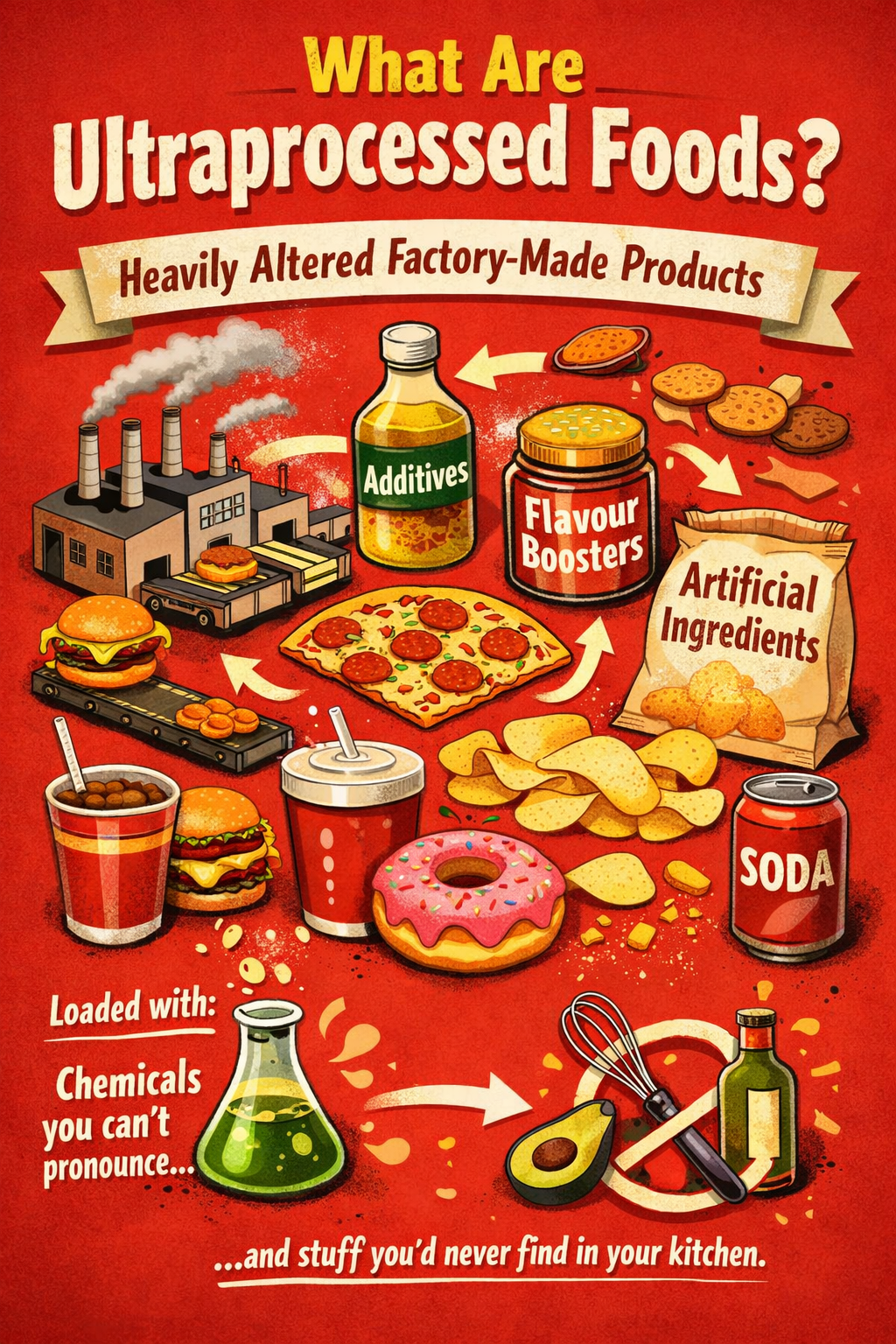
Image: AI
What counts as ultraprocessed food anyway?
So what exactly are we talking about here?Ultraprocessed foods, often classified using the Nova classification system, are products that go through heavy industrial processing. They are usually made with additives, flavour enhancers, and ingredients you wouldn’t typically use in a home kitchen.Think packaged chips, sugary drinks, instant noodles, processed meats, breakfast cereals, cakes, biscuits, and even some types of bread.They’re convenient. They taste good. And they’re everywhere.But they also tend to replace whole, nutrient-rich foods in the diet. And that shift may be part of the problem.
What this means for everyday life
So where does this leave the average person?Most people aren’t eating perfectly balanced meals every day. And ultraprocessed foods are often the easiest option, quick, affordable, and widely available.But the study adds to growing evidence that relying too heavily on these foods can have long-term consequences.And again, it’s not about panic or perfection. It’s about awareness.Because the risk doesn’t come from one snack or one meal. It comes from habits that build over time.And those habits, even small ones, can quietly shape your health in ways you might not feel right away.
So, what counts as healthy for the heart?
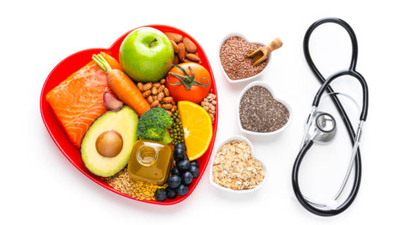
“Everyday food choices can help protect your heart, and a healthy diet is made up of more than just nutritious foods. The most important part of a healthy diet is to eat plenty of fresh fruits and vegetables because they are high in antioxidants, fibre, and nutrients that decrease inflammation and aid blood circulation. Whole grains (e.g., oats, brown rice, and millets) are also an excellent way to lower LDL (bad) cholesterol. Healthy fats from nuts and seeds, olive oil, and fatty fish (e.g., salmon) contain omega-3 fatty acids, which are known to decrease inflammation and help keep LDL cholesterol levels balanced for heart health,” Dr Gaurav Minocha Senior Director – Cardiac Sciences Max Super Speciality Hospital, Vaishali told TOI Health.“Healthy eating behaviours are just as important to heart health as what you eat; for example, limiting your intake of salt helps control blood pressure, which is especially important in the Indian diet because of the high amount of sodium typically consumed. Monitoring your calorie intake is also important in helping to maintain a healthy weight and healthy BMI. Avoiding processed foods and added sugars will help to prevent weight gain and insulin resistance. Eating at regular intervals, controlling portion sizes, and being mindful of how you eat are also important for maintaining healthy digestion. Building up consistent, healthy habits along with an active lifestyle will strengthen your heart for life and improve your overall wellness,” the doctor added.