Half of Americans don’t realise THIS common food may increase colon cancer risk; survey reveals |
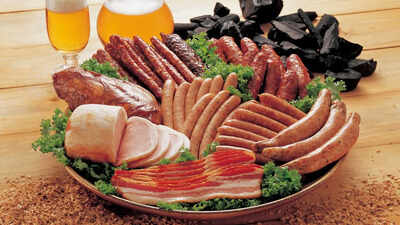
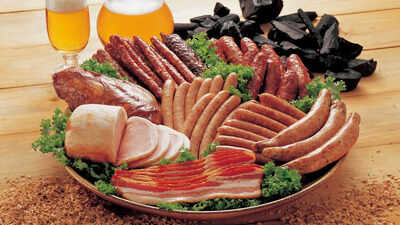
An American survey has revealed a lack of knowledge about the link between diets and cancer risk. This is seen in the fact that almost 45% of Americans are not aware of the fact that processed meats are linked with an increased risk of colorectal cancer. The results of the study were obtained during a period of time that is considered crucial for the discussion of colorectal cancer, which is gaining attention, especially in young adults below the age of 50 years. Moreover, the discussion of ultra-processed foods and cancer risk is becoming prevalent in recent studies.The discussion is not only about what people eat, but also about how informed they are when making daily food choices.
Processed meat and colorectal cancer risk awareness among US adults
According to the survey published by the Physicians Committee for Responsible Medicine titled ‘New Poll: Almost Half of US Adults Unaware of Connection Between Processed Meat Consumption and Colorectal Cancer’, the poll conducted among more than 2,000 US adults in early 2026, suggests a mixed level of understanding. Around half of the respondents were reportedly unaware that processed meats such as hot dogs, sausages, and bacon are linked with higher colorectal cancer risk.After being informed about the connection, around two-thirds of participants said they would support warning labels on processed meat products. It suggests people may be open to clearer information at the point of purchase, even if they were not previously aware of the risks.Only about one-third of adults said they had ever received this kind of dietary guidance from a healthcare professional. That figure has raised concerns among some medical specialists involved in the survey.
Why clearer communication on diet and colorectal cancer prevention matters
The medical personnel quoted in the article highlight the importance of the communication gap. An expert in internal medicine pointed out that colorectal cancer has become a major cause of cancer-related deaths in adults aged 50 or younger, making this discussion relevant now more than ever.Even though the diet recommendations were already being talked about, they did not seem to be a consistent practice during consultations. Screening was a priority, and diet did not seem to come up often enough, despite being widely seen as an adjustable risk factor.The experts who conducted the study believe that medical practitioners might require more consistent training when it comes to cancer and diet. A small modification to the diet usually accompanied physical activity, body mass control, and reduced alcohol consumption.
Processed meat and what research suggests
Research over the years has consistently pointed towards a connection between processed meat consumption and colorectal cancer risk. These foods include items that are heavily preserved or modified, such as cured meats and packaged meat products.Some studies suggest that diets higher in plant-based foods may be associated with lower risk. One finding referenced in the report indicates a possible 22% lower risk of colorectal cancer among those following plant-based dietary patterns compared with omnivorous diets.Fiber intake is also frequently highlighted. One study mentioned in the report found that higher fiber consumption was linked with a lower risk of colon polyps, which can sometimes develop into cancer over time. Researchers estimate that each additional 10 grams of fiber per day might be associated with a reduction in colorectal cancer risk. Foods like beans, berries, and seeds are often cited as simple sources of dietary fiber. The science is still developing, but the direction of evidence appears fairly consistent.
Ultra-processed foods and long-term risk
Beyond processed meat alone, attention has increasingly shifted to ultra-processed foods. These include packaged snacks, ready meals, sugary cereals, and certain baked goods.A large long-term study involving over 200,000 participants in the United States examined dietary patterns across several decades. It found that people with the highest intake of ultra-processed foods had a higher risk of colorectal cancer in men, around 29% higher compared with those with the lowest intake. Interestingly, the same pattern was not clearly observed in women overall, although some subcategories of foods showed mixed associations.Researchers suggest that these foods may influence gut bacteria, inflammation, and weight gain, all of which are considered possible factors in cancer development. It is still an evolving area of study, and findings are being explored further.