
The secret to crispy fries: Why adding vinegar to potatoes works |
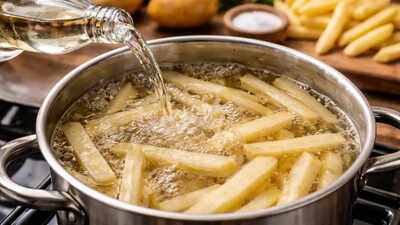
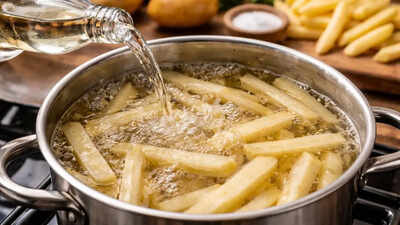
Creating perfect crispy fries at home might not be as easy as it sounds. There are many challenges that most individuals encounter when preparing fries, including sogginess, softness, or inconsistency. Despite following the correct procedure, like using appropriate oils and temperatures, the texture does not meet the standards achieved in restaurants. However, there is an easy trick in the kitchen that can help achieve the desired results when making fries.This technique is common in professional kitchens and utilises scientific knowledge about food preparation, making the process less complicated. The method allows the potatoes to be crisp and tender at the same time. With growing numbers of amateur chefs learning how to cook, this recipe continues to gain more traction and popularity.
How vinegar water improves potato texture before frying
It is all about the acidity level of vinegar that plays an important role in making the process successful. The acidity of vinegar reacts with the outside layers of potatoes when they are immersed or even quickly cooked in the mixture of water and vinegar.As a result, the outside layers of potatoes become stronger, which means that potato slices will not break during cooking. Consequently, they do not get fragile but rather remain whole throughout cooking.Therefore, it is convenient to fry such potatoes because they have an opportunity to form a crispy crust around the entire slice.
Why vinegar helps make fries extra crispy
This technique is utilised because it enables the fries to be crispy. Through the process of soaking the potatoes in vinegar, the extra starch in the potatoes moves to the surface.Once the potatoes are fried, the outer coating is crispy and golden in colour. Also, the vinegar aids in getting rid of the extra water, which is the reason why some fries are soggy.Through having less water content, it becomes easy for the fries to be crispy during the frying process.
The science behind vinegar and potatoes
The technique of adding vinegar to boiling water has an understandable scientific reason for its effectiveness. The pectin found in potatoes maintains the cell structure of plants.But when you cook the potatoes without any additives, their structure may be broken easily, resulting in soggy potatoes. But when vinegar is added to water, it decreases the water’s pH and, therefore, slows down that breaking process. Thus, it keeps potatoes firm while being boiled in the beginning. This will help you easily obtain the desired crispy outside and soft inside texture while frying the potatoes later.
Does vinegar change the taste of fries
The first worry may be about how the taste of the fries will be affected by the vinegar. However, it does not have such an impact.The reason is that the quantity of vinegar used is very small, and often, the potatoes are drained and dried after boiling. For that reason, the taste will not become bitter or strong.Consequently, the fries maintain their usual taste but get better at the same time.
How to use vinegar water for perfect fries
To use this method, begin by slicing potatoes into uniform strips. Wash them to get rid of any excess starch, after which put them into a mixture of water and vinegar.The potato slices can be soaked in this water-vinegar mixture for a while or simply boiled in it for a short period. Afterwards, you need to drain and dry the potatoes as they should not have any moisture before frying.
Why this simple trick is gaining popularity
With an increasing number of individuals attempting to duplicate the dishes served in restaurants from the comforts of their own homes, such techniques are gaining widespread popularity. The vinegar method is particularly noteworthy as it is straightforward, inexpensive, and scientifically sound.It utilises no unique components and requires no specialised tools, but results in a marked improvement in the final product.
Why this trick is worth trying
The addition of vinegar to the water used in the frying process for potatoes may be just a tiny thing, but it can make a great difference in terms of the outcome.Those who want to enhance their cooking experience will find the technique very helpful.