How this teenager survived a plane crash – injured, alone and in harsh land : She walked 11 days through the dense Amazon forest and…
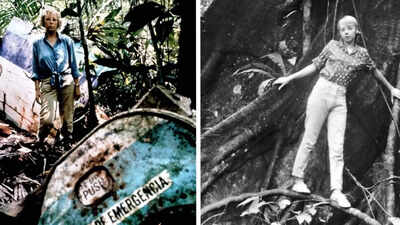
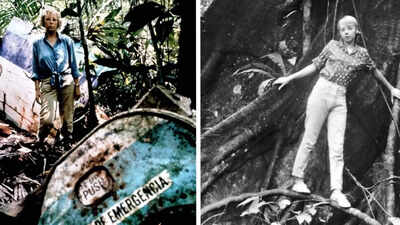
At 17, Juliane Koepcke was not chasing an adventure story. She was trying to get home for Christmas. On Dec. 24, 1971, she and her mother boarded LANSA Flight 508 in Lima, Peru, bound for Pucallpa and then their family’s research station in the Amazon. About 20 minutes before landing, the sky turned violent. A lightning strike hit the aircraft, the plane began to break apart, and Koepcke, still strapped into her seat, was thrown out into the rainforest below. She was the only person to survive the crash. Scroll down to read more…
She fell, then woke under the canopy
What makes Koepcke’s story linger is not only the scale of the disaster but also the sheer strangeness of the image it leaves behind: a teenager falling through open air and waking up in the Amazon, with the jungle canopy above her instead of the sky. ABC reports that she fell about 3,000 metres, or roughly 3 kilometres, and that she regained consciousness with relatively minor injuries for someone who had just survived a near-impossible descent. Her torn dress, one sandal and the shock of finding herself alone in a hostile green world have become part of survival lore, but the facts behind them are even more startling. She was hurt, disoriented and badly shaken, yet still alive.
Eleven days in the rainforest
The crash was only the beginning. Koepcke then spent 11 days making her way through the Amazon, a journey that turned survival into endurance. UC Davis describes her as the sole survivor who made her way through the jungle for 11 days in search of rescue, and The Washington Post says she was later found by fishermen after that long ordeal. During those days, she had to move through heat, mud, insects and fear with no certainty that help was coming. She was a teenager, injured and alone, in one of the most unforgiving landscapes on earth. That she kept moving at all is what still makes the story feel almost unreal.
A childhood that prepared her more than she knew
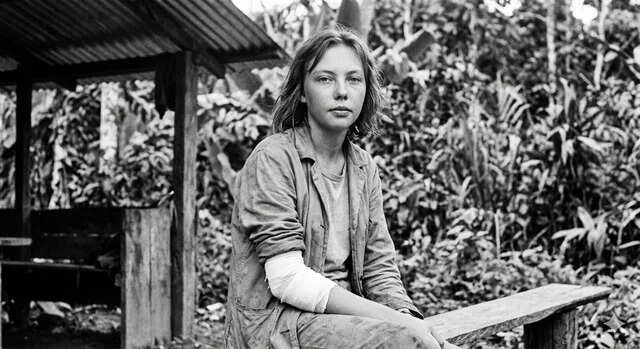
Koepcke was not an outsider dropped into the forest for the first time. She had grown up in the Peruvian jungle at Panguana, the biological research station founded by her parents, both zoologists. Reports describe her as a self-described “jungle child,” someone raised among the plants, animals and rhythms of the rainforest. That background matters, because survival in a place like the Amazon is not only about toughness; it is also about familiarity, patience and the ability to stay oriented when panic would be easier. The same forest that swallowed the plane was also, in a strange way, a place she understood. That understanding did not make the ordeal easy, but it likely made escape possible.
Why the story still unsettles people
Part of the reason Koepcke’s story continues to travel is that it resists simple packaging. It is easy to turn it into a miracle headline, and the miracle is real. But there is also loss, randomness and a brutal truth underneath the legend: she survived while everyone around her did not. After the first burst of attention following the crash, Koepcke withdrew from the press and largely stepped away from public life. That silence has only deepened the power of the story. She did not become a celebrity survivor in the modern sense. She became something rarer: a person who lived through the unimaginable, then refused to let the world flatten her into a spectacle.
What her survival still says
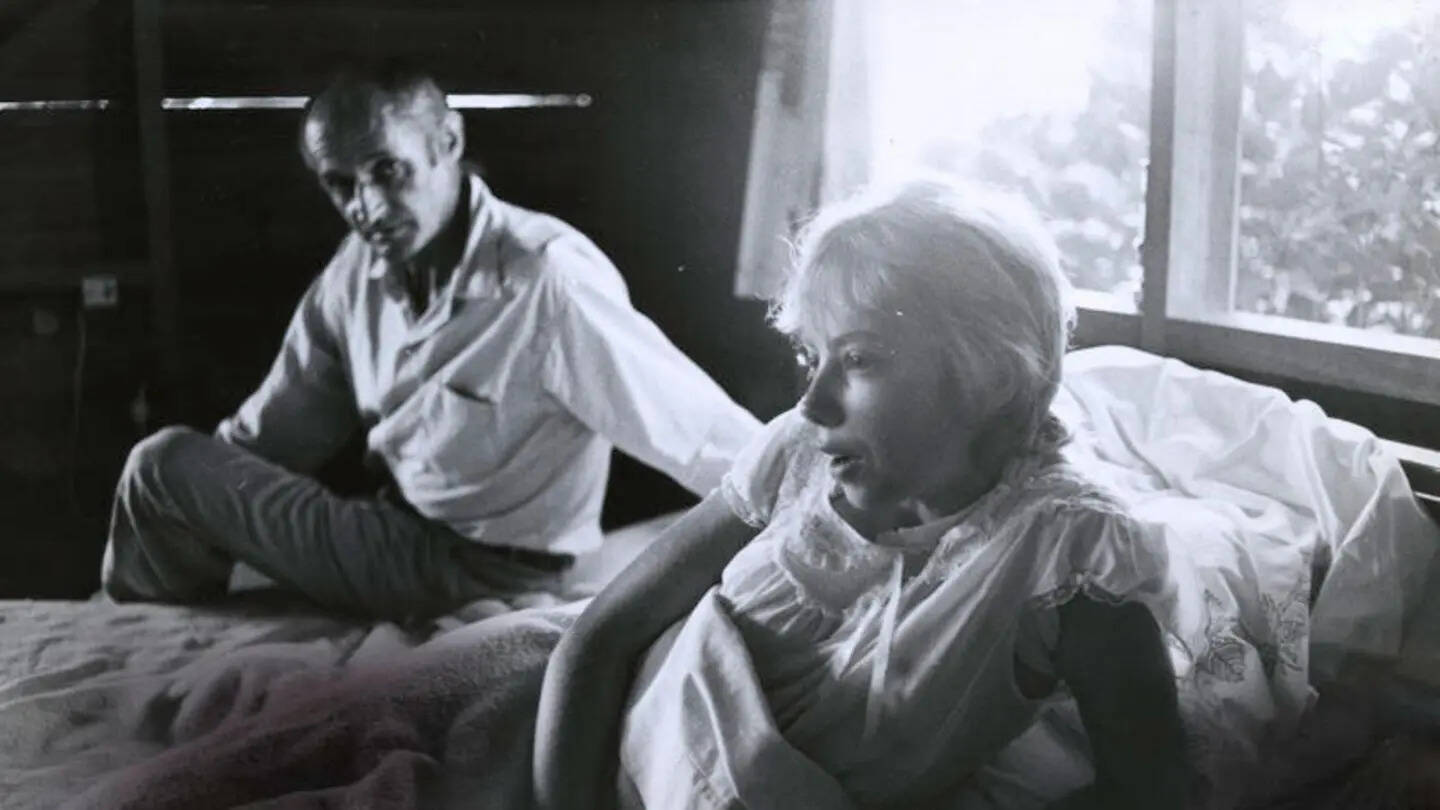
More than 50 years later, Juliane Koepcke’s story still feels astonishing: a 17-year-old girl, the only surviving passenger, walking for 11 days through the Amazon after a plane disintegrated in the sky. Yet the deeper story is quieter and more personal. It is about a daughter flying home to her father, a mother who did not survive the crash, and a girl raised by scientists who had learned to recognise the language of the forest long before it became her only path back to safety.It is also a reminder that survival rarely looks heroic in the moment. More often it is slow, stubborn movement, one step, then another, through fear, pain and exhaustion. Perhaps that is why Koepcke’s story lingers long after the shock of the event itself. It is not only about surviving a fall from the sky. It is about what it takes to keep moving forward when everything familiar has suddenly disappeared.