
The reason your floors are always freezing and how to fix it without breaking the bank |
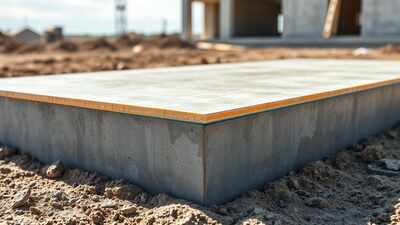
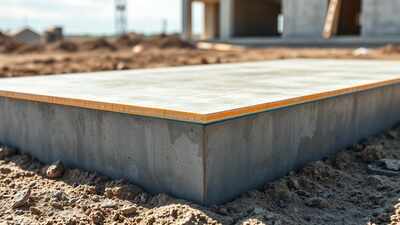
A morning start on an unheated floor will instantly break the snug mood of the season. Even if the temperature gauge is high and the radiators are going full throttle, the ground will remain cold to the touch. It seems as if the cold is seeping into the very foundation, and that is, in essence, what’s happening. When thinking about the insulation of a home, it is often thought to be just about the walls.Modern homes rest on concrete slabs – the slab-on-grade method of construction. While concrete is a durable material, it is prone to absorbing a lot of heat rather than retaining it inside a structure. Unlike traditional materials, concrete does not hold heat well and absorbs all the warmth and takes it directly into the cold soil beneath it. That phenomenon is known as ground-coupled heat loss, and it may comprise the major portion of your energy expenditure each month. In case you have been curious why your feet feel cold while the upper part of your body remains warm despite heating, blame your concrete slab floor.Why your home’s edges drain away heatThe best thing about building physics is that heat dissipation does not occur evenly throughout the entire floor slab surface. Research shows that most heat loss occurs at the edge of the building, much like when you pour a hot drink into a cold mug. Its centre will retain its temperature for longer because of direct contact with the exterior environment. In other words, the area of the greatest heat transfer activity is the perimeter of the floor slab.According to a detailed study published in the journal Energy and Buildings, researchers found that the thermal exchange at the edges and corners of a slab is significantly higher than in the middle. This means that even if the centre of your living room floor feels okay, the areas near your exterior walls are acting like a thermal bridge, dragging the temperature of the entire slab down.In other words, adding rigid insulation such as extruded polystyrene at the perimeter of the slab reduces heat loss during usage by more than 20 per cent. For those concerned about energy savings and comfort, this represents a huge improvement. You do not need to dig up your whole floor to notice any differences. Concentrating on the perimeter areas can stabilise the temperature of the interior surfaces and increase their comfort level.The science behind comfort and cognitive functioningHaving a warm floor is not only about preventing the cold but also improving cognitive functioning. Recent studies indicate that there is a strong link between environmental factors and our cognitive performance. For instance, having cold feet causes the body to allocate resources toward maintaining internal temperature stability, leading to physiological stress.A study published in the journal Building and Environment explored this exact link. The researchers used multilevel structural equation modelling to find out how warmed floors affect the human body. They discovered that radiant warmth at the floor level significantly raises foot skin temperature, which in turn boosts thermal comfort and concentration levels.

Simple solutions like edge insulation and strategic rug placement can drastically improve warmth and energy efficiency, making winter more comfortable.
Participants in the experiment performed better on demanding cognitive tests when the environment on the floor was optimised. Therefore, when you are working remotely, the warmth of the floor will not only improve your mood but also increase your productivity. The optimal system for heating the floor consists of installing a system of pipes under the flooring, through which warm water is circulated; however, it may be difficult to implement such a solution in a preexisting house.Quick fixes that will help you get back your warmthHowever, if you are unable to make major renovations to your house, you can change your behaviour pattern. One interesting finding from modern research on buildings concerns your furniture. Heavy sofas and cupboards sitting on the floor may prevent the flow of heat across the room. In the case of radiant heating, furniture items become a lid, preventing heat from flowing into the upper parts of the room.In dealing with the conventional slabs, there’s a tried-and-tested approach to this issue: rug placement. Simply place carpets or carpet runners along the periphery of the space, and you will have increased insulation. The extra material will slow down the transfer of heat directly from the surrounding air to the cold floor slab. While the heat will still escape through the edge of the slab, its effect on foot comfort will change.Combining all of these little changes with great edge insulation will give you an effective plan for winter warmth. Heat is like water and seeks the path of least resistance, the coolest way out; this is where sealing gaps comes into play. Be it a modern radiant heat system or even simply the right rug, maintaining that warmth at the foot level is vital for a comfortable winter experience.