Tamil Nadu results 2026: How Joseph Vijay turned algorithms into electoral power |
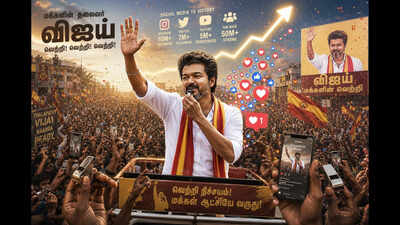
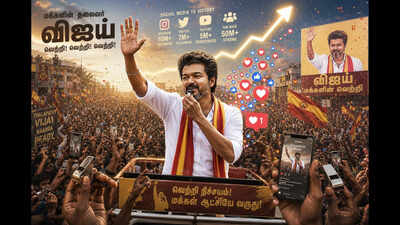
Social Media didn’t just play a part in Vijay’s (TVK) win. It was the megaphone, the organizer, and the kingmaker. (AI generated)
In a stunning display of digital dominance, Joseph Vijay has scripted a new chapter in Indian politics. As vote counting unfolded on May 4, 2026, his Tamilaga Vettri Kazhagam (TVK) surged as the single largest party in early trends, leading in over 100 seats and shattering Tamil Nadu’s entrenched DMK-AIADMK duopoly. The real hero behind this triumph? Social media. Vijay’s sophisticated online army turned fan loyalty into electoral firepower, proving that in the algorithmic age, ‘likes’, shares, and strategic posts can rewrite political destinies.Indian politics has long relied on loud rallies, lengthy speeches, and constant media engagement. Leaders traditionally use volume and visibility to establish presence. But actor Vijay, known as Thalapathy to his fans, took a different path when he launched TVK in February 2024. His approach emphasized controlled, limited communication paired with a powerful social media operation that converted fan loyalty into electoral success.
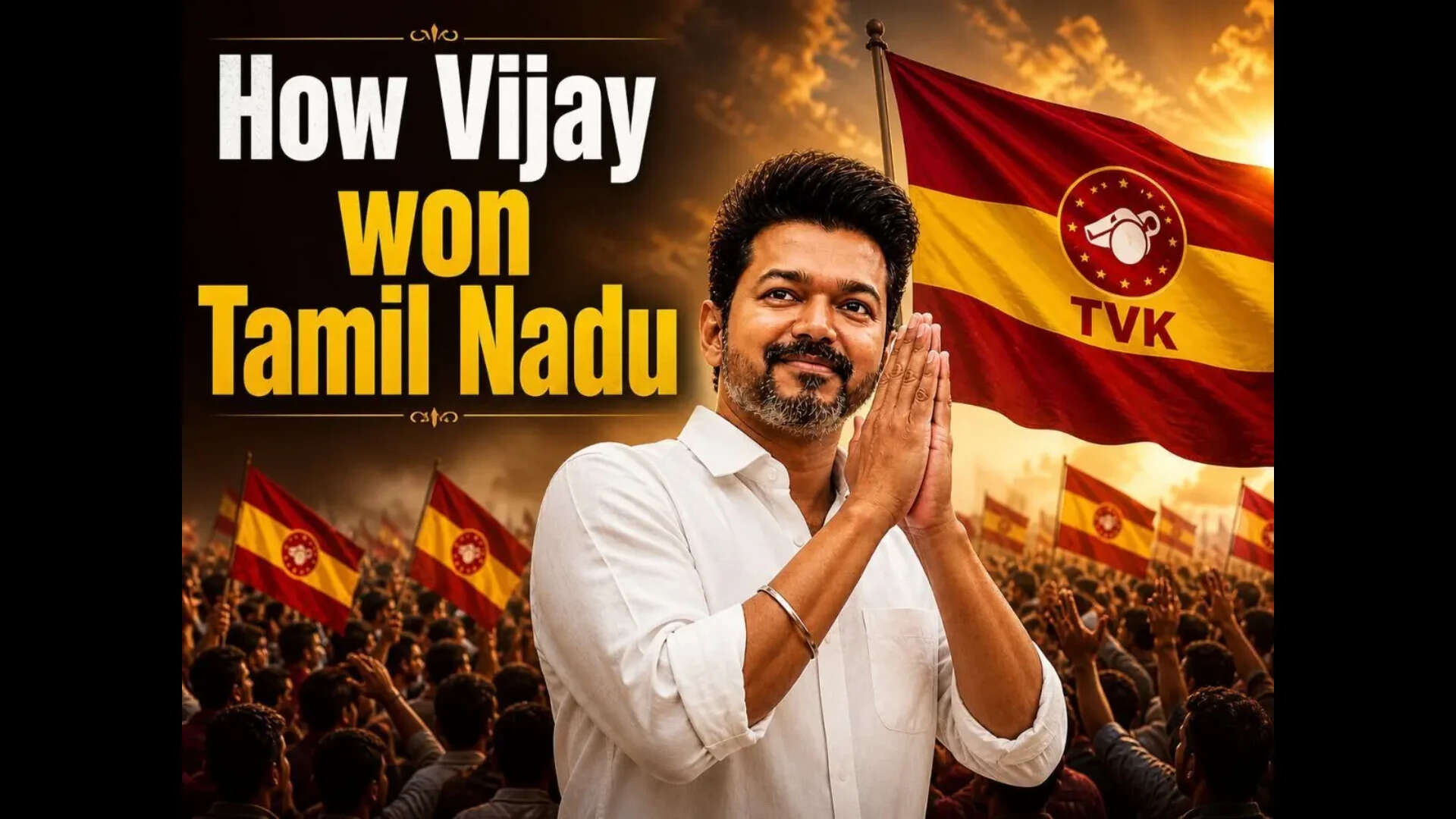
Indian politics has long relied on loud rallies, lengthy speeches, and constant media engagement. But actor Vijay’s approach emphasized controlled, limited communication paired with a powerful social media operation that converted fan loyalty into electoral success.
Thalapathy Vijay is set to become Tamil Nadu’s next Chief Minister. To a lot of people, even his fanbase, this was an unbelievable win. And it seemed to come out of the blue. Large numbers for TVK, sure. But completely dismantling DMK-AIDMK at first “go” in politics? Unheard of, unless…
… out-of-the-blue was the strategy
Leading up to the elections, Vijay completely avoided traditional press conferences and unscripted Q&A sessions (in fact, even after his win yesterday, he has yet to talk to any mainstream media). While DMK and AIADMK leaders engaged daily with the media, handling questions and controversies, TVK stayed largely silent in those formats. This was not an absence of strategy but a deliberate choice. By limiting direct exposure, the campaign reduced risks of misquotes or forced responses that could derail momentum. Every public appearance or statement became an event, generating organic discussion rather than constant noise.
Leveraging existing fan networks
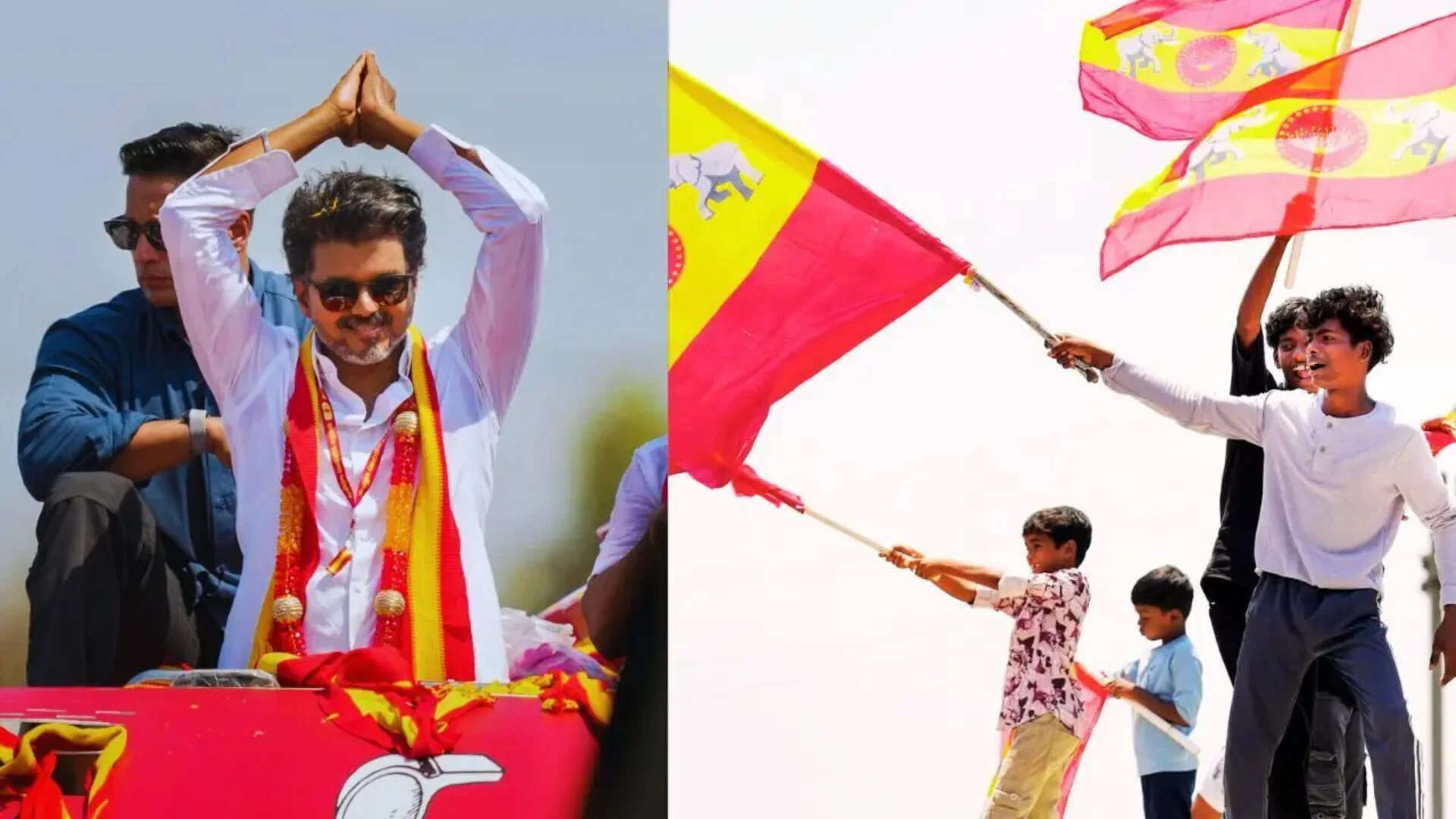
The foundation of his massive win rested on Vijay’s pre-existing fan base. His fan clubs, organized under the Vijay Makkal Iyakkam, reportedly numbered around 85,000 across Tamil Nadu even before the party formed. These were not new recruits but loyal supporters of the movie star Vijay; with years of grassroots experience in organizing events and welfare activities. All TVK did was to transform this network into a political infrastructure.
In February 2025, the party announced plans to appoint over 70,000 booth-level agents, aligning closely with the roughly 68,000 polling booths in the state. These agents bridged online enthusiasm with offline voter mobilization – ensuring turnout, addressing local concerns, and managing election-day logistics. This “last-mile” structure proved crucial.
The IT wing and “voice of commons”
TVK’s IT wing, described by Vijay as one of the strongest in India, drove the digital strategy. A dedicated team called “Voice of Commons” focused on short-form content: reels, shorts, and visuals, rather than traditional long speeches or manifestos. This approach targeted younger voters, who consume information primarily through phones.
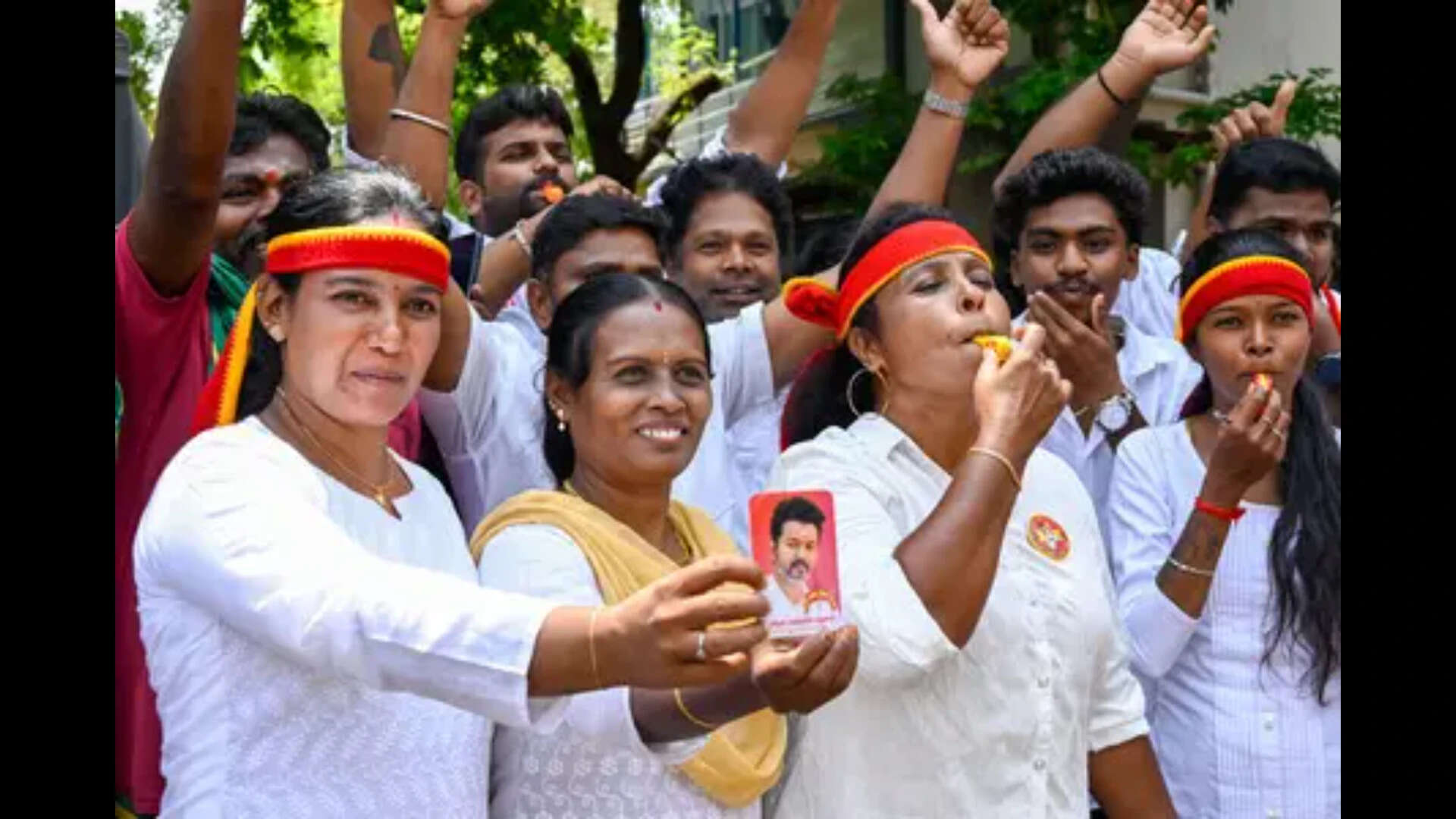
TVK’s IT wing, described by Vijay as one of the strongest in India, drove the digital strategy. A dedicated team called “Voice of Commons” focused on short-form content: reels, shorts, and visuals to target younger voters.
The strategy was all about controlled messaging. All content was emotionally resonant, and tightly framed around themes of social justice, secularism, egalitarianism, and welfare. Platforms like Instagram, YouTube, X (formerly Twitter), and WhatsApp amplified fan-generated material alongside official posts. Hashtags, viral challenges, and influencer collaborations extended reach organically, reducing reliance on paid advertising.Vijay himself hailed his party’s IT and social media wing as “the best in India.” He transformed fans into disciplined “virtual warriors,” urging them to maintain dignity and decorum online while flooding platforms with targetted messaging. Instagram, X, YouTube, and WhatsApp became battlegrounds where TVK dominated narratives, especially to the urban youth.
Aura farming at its best
There was nothing scattershot in any posting. Everything was curated with strategic brilliance. It was aura farming at its best. Moody, confident visuals projected Vijay as the calm, unbothered hero above petty politics. This social media campaign also had direct reach that bypassed often-hostile traditional media. The party spoke straight to voters through Vijay’s messages and cadre-driven content. This stealthy digital-only approach gave Vijay total narrative control; while the hybrid model, with digital at the top, boots on the ground below, proved lethal for his opponents.
The foundation of his massive win rested on Vijay’s pre-existing fan base. His fan clubs, organized under the Vijay Makkal Iyakkam, reportedly numbered around 85,000 across Tamil Nadu even before the party formed.
Early leads in urban strongholds like Perambur symbolized youth and middle-class revolt against the old order. Market reactions were instant: shares of pro-DMK media houses tumbled as TVK’s momentum became undeniable.Social media allowed precise targeting of demographics. Exit polls and reports indicated strong support among first-time voters (around 68%) and the 20-29 age group (59%). These voters, less tied to traditional caste or family loyalties, responded to digital storytelling that highlighted dignity in welfare, women’s empowerment, and clean governance – issues that Gen Z respond to and aspire their leaders to achieve as electoral goals.Rivals noticed this impact. DMK reportedly formed a specific team to counter TVK’s online presence, while TVK supporters shared images of sparsely attended rival events, creating visual contrasts that spread quickly. When an opponent dedicates resources solely to neutralizing your digital efforts, it signals that you have successfully shaped the narrative.
Key campaign moments and messaging
TVK’s first major state conference in Vikravandi, in October 2024, drew a massive crowd, reported in the hundreds of thousands. There, Vijay outlined the party’s ideology—drawing from Ambedkar, Periyar, and Kamaraj—focussing on secular social justice, democracy, and state autonomy. The event itself became content gold: videos, photos, and highlights circulated widely, reinforcing the message of a fresh, people-centered alternative.The manifesto stood out for its women-centric focus. TVK fielded 24 women candidates and promised measures like Rs 2,500 monthly assistance for women heads of households, free LPG cylinders, and gold for brides from poor families. These pledges framed welfare not just as handouts but as tools for dignity and empowerment; resonating in digital discussions among younger and female voters. The party contested all 234 seats independently, without major alliances, underscoring its independent brand.Social media sustained momentum between events. Short reels humanized the campaign. One example Vijay praised involved a child urging parents to vote for TVK. Such relatable content kept engagement high without overexposure. The decentralized nature of the digital army allowed rapid response and broad coverage, though it occasionally led to challenges like reports of fake accounts or impersonations.
A global phenomenon, Tamil flavour
Vijay’s success mirrors a worldwide template of celebrity-to-politics “field migration.” In Nepal, rapper-engineer Balendra “Balen” Shah leveraged direct Facebook communication and a rebel image to become Prime Minister in 2026, sidelining traditional parties through viral, unfiltered outreach. In New York, Zohran Mamdani used his rapper-activist roots and influencer collaborations for authentic content that mobilized young and diverse voters, pairing social-first virality with massive door-knocking (grassroots field operation where over 100,000 volunteers went door-to-door, knocking on 3.1 million doors across the five boroughs in New York).What unites all three of these celebrity-turned-politicians is French sociologist Pierre Bourdieu’s concept of celebrity capital, which simply out, is media visibility turned into political legitimacy. Vijay converted three decades of cinematic charisma (the mass hero fighting injustice) into symbolic power. Social media made this conversion lightning-fast and scalable. Algorithms rewarded emotional connection: fans didn’t just vote; they felt they were part of a movement.
Results and broader implications
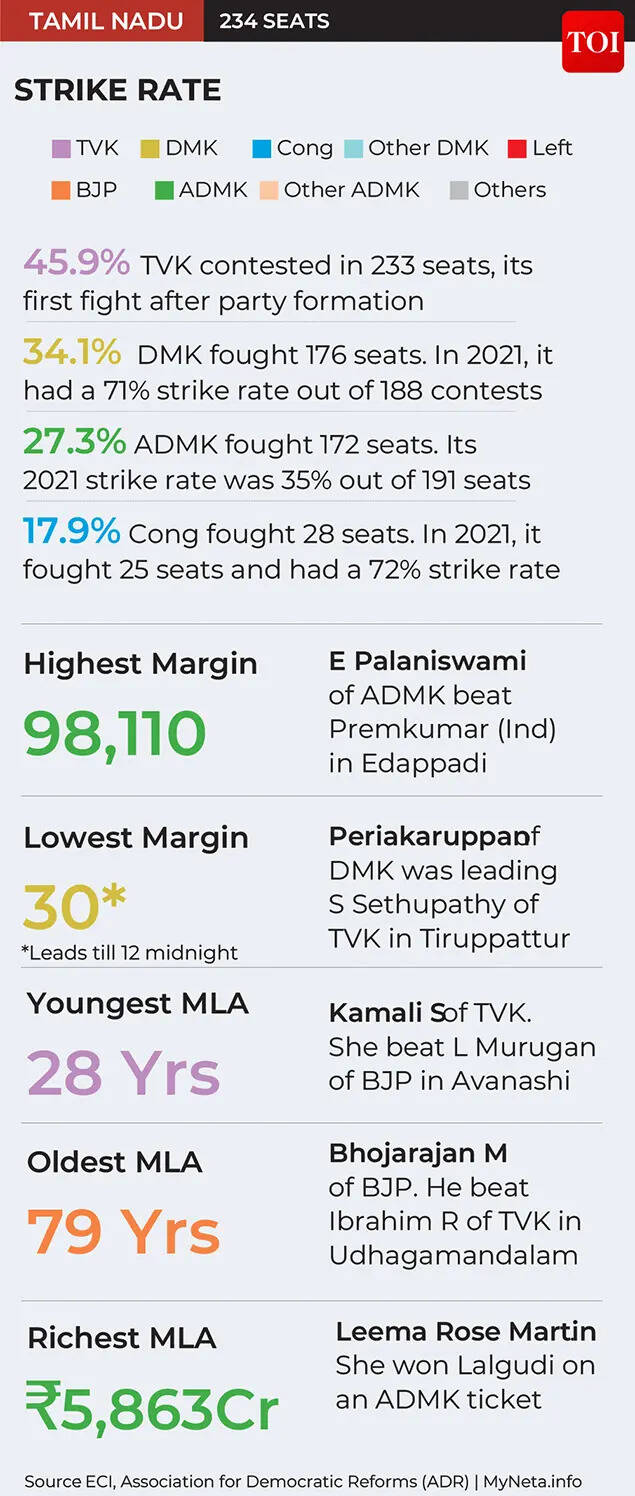
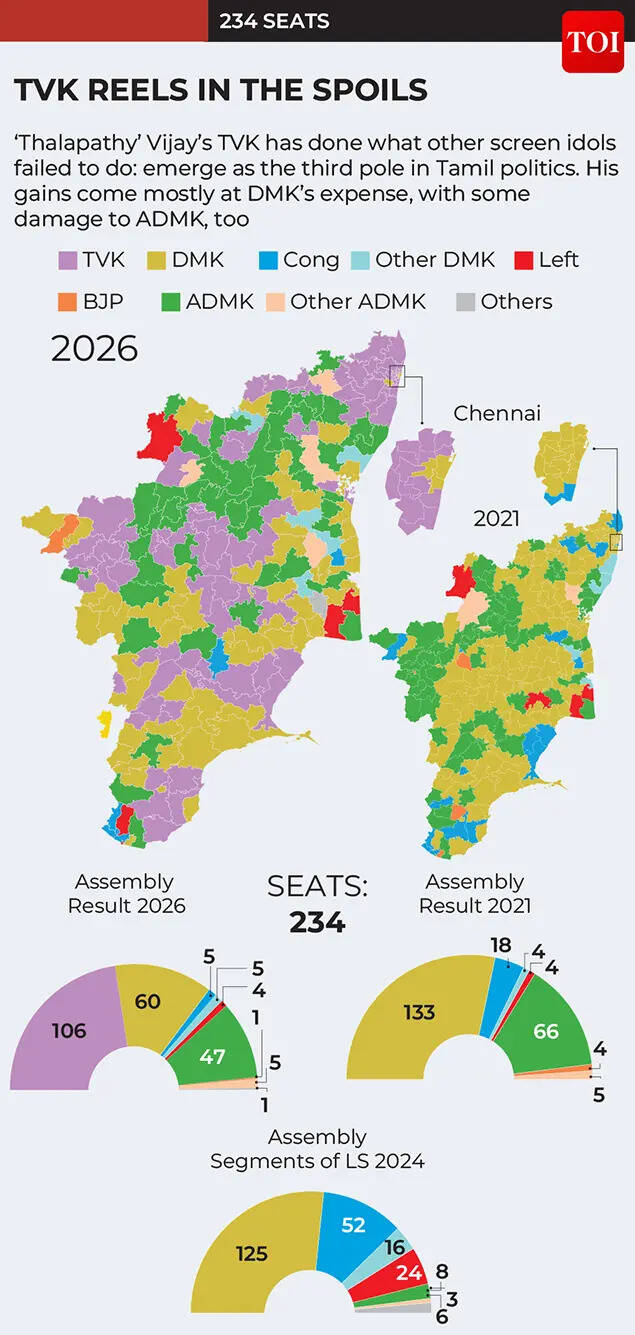
On May 4, 2026, TVK secured 108 seats, with DMK at around 59-73 and AIADMK at 47-53 depending on final tallies – enough to make TVK the single largest party in a hung assembly scenario and a stunning debut for a two-year-old outfit. This success highlights how social media can redesign political campaigns in a diverse, youth-heavy state like Tamil Nadu. Traditional parties relied on established networks and high-decibel campaigns. TVK combined a ready-made loyal base, disciplined messaging, booth-level organization, and algorithm-friendly content to mobilize new and existing voters efficiently. The digital strategy created scarcity and authenticity: limited official communication made each release more impactful, while fan-driven content provided volume and relatability. It turned passive fans into active “virtual warriors” who defended the narrative and drove turnout.
Challenges remain though…
A tragic stampede at a 2025 rally and isolated incidents of aggressive online behaviour showed the difficulties of managing a large, enthusiastic, and somewhat decentralized force. Governance will require different skills. Greater transparency, regular accountability, and engagement beyond curated appearances. The communication discipline that aided the campaign must evolve for effective administration going forward.For now, Vijay’s 2026 victory demonstrates a modern template: use social media not for constant chatter but for strategic, controlled storytelling backed by ground infrastructure. In an era of information overload, deliberate silence paired with targeted digital amplification can prove more powerful than traditional noise. TVK’s campaign showed that a well-designed digital operation, rooted in genuine loyalty and focused execution, can reshape political outcomes—even against entrenched opponents.
The new digi-political reality
As Tamil Nadu wakes to a triangular (or multi-polar) future, Vijay stands tall. Not merely as a film star turned leader, but as proof that in 2026, the path to power runs through timelines, reels, and relentless digital engagement. The whistle that once echoed in theaters—in 2024, in Vijay’s hit film The Greatest of All Time (GOAT)—now signals a deeper revolution: attention is capital, platforms are battlefields, and the most effective politicians are those who master the feed.Thalapathy has won the opening battle. The real test of governing in an era where every decision trends instantly, begins now. One thing is certain: social media didn’t just play a part in his win. It was the megaphone, the organizer, and the kingmaker.