
Can’t get rid of dark spots, pigmentation, uneven skin tone this summer? Dermatologists reveal treatments that deliver visible results against sun damage
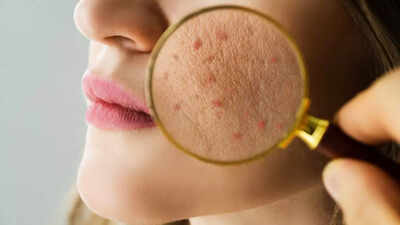
As seasons change, your skin changes too. Summer’s harsh sun often causes pigmentation problems, like stubborn dark spots, melasma patches or uneven skin tone that hides your glow. Freckles get darker from UV rays and dark marks from inflammation pop up due to hormones or stress.Skin experts suggest that if creams and sunscreen don’t work well, lasers offer a great fix. They target pigment precisely with little downtime, turning dull skin radiant.
Expert guide to dark spots and uneven tone
In an interview with the Times of India, Dr Veena, Dermatologist at Kaya in Bangalore, explained, “Laser therapy uses focused light to target melanin, which causes dark spots. Advanced systems use a smart method called selective photothermolysis, it gently heats just the pigment cells, leaving healthy skin untouched. This precise approach breaks the pigment into tiny bits that your body clears out naturally, giving you smooth, even skin after just a few sessions.“According to Dr Veena, popular choices include Q-switched Nd:YAG lasers, great for surface-level sunspots and freckles. She revealed, “They fire super-quick bursts of light to break up the dark pigment safely, even on deeper skin tones, you see a lot during Indian summers. For tougher melasma spots driven by hormones, fractional non-ablative lasers make tiny heat channels in the skin. This boosts collagen and softly fades the pigment.“A 2022 major review published in the journal Medicina found that low-fluence Q-switched Nd:YAG lasers are “generally effective and safe” for treating melasma and stubborn pigmentation, particularly when combined with topical therapies. The researchers established, “LFQSNY appeared to be a generally effective and safe treatment for melasma.”
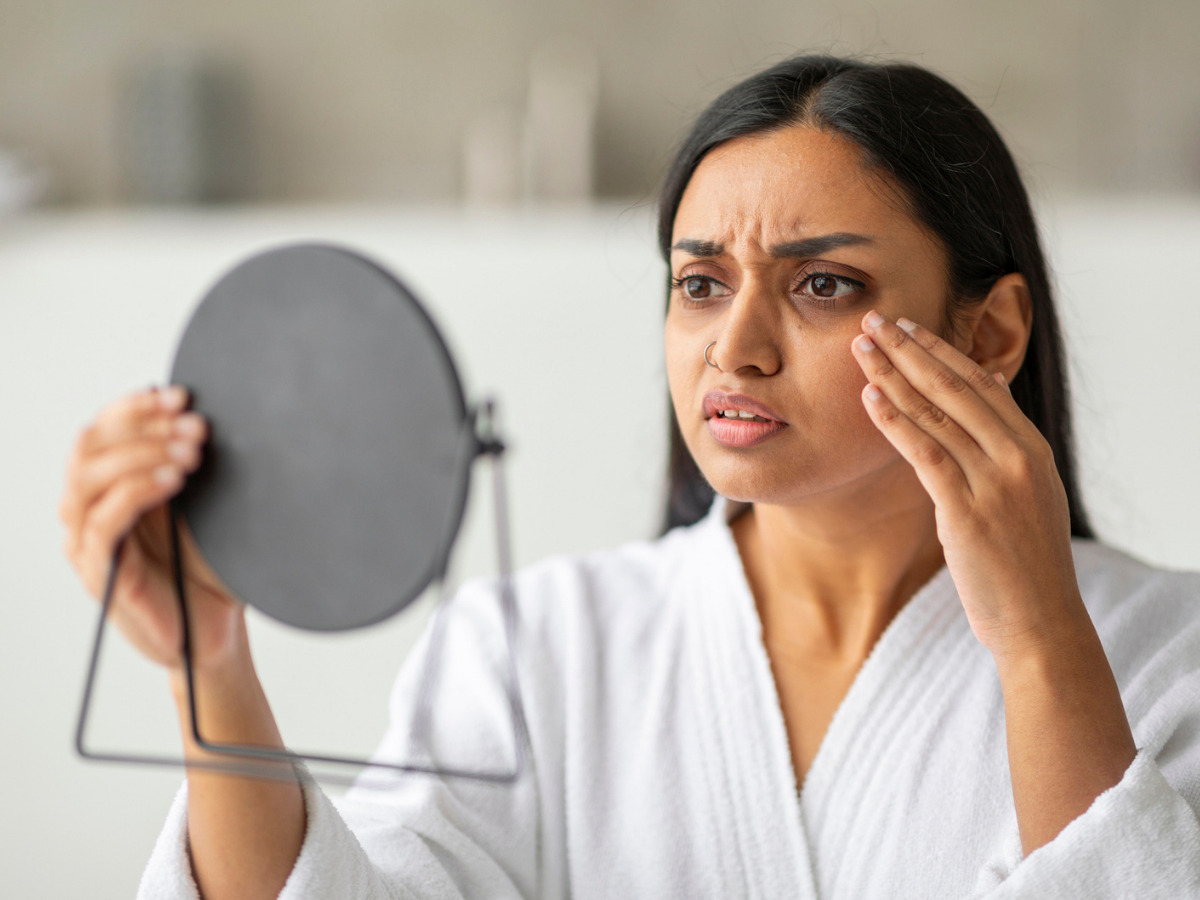
Why Your Expensive Creams Aren’t Working for Pigmentation But Lasers Might
Pico-second lasers go even further with pulses a trillionth of a second long. Dr Veena said, “They cut down on heat, giving top results for sensitive or acne-prone skin, ideal for Delhi’s sticky monsoons that make oiliness and spots worse. You’ll see brighter skin after 3-5 sessions. It lasts 1-2 years with good sun protection. Mild redness or darkening fades in days. Unlike peels, no long recovery downtime is required, making it perfect for busy days.“According to findings highlighted in JAMA Dermatology and later discussed by experts, picosecond technology showed visible improvements in skin quality and pigmentation with minimal downtime. The experts found, “Blinded assessors saw a range of 25 to 75 percent improvement.”Talk to a dermatologist to find the right laser for your skin type and what caused the spots. Dr Veena suggested, “Pair it with vitamin C or niacinamide creams to keep results lasting. Say goodbye to dull skin and, with the aid of lasers, bring back your glow all year, so you feel confident.”Seasonal shifts and strong UV exposure often disrupt skin tone and texture and for many individuals, these cyclical variations, especially at the end of intense seasons like summer, cause abrupt skin reactions like pigmentation, patchiness, along with dark spots, blotchiness and a dull complexion from dead skin buildup, dehydration or poor circulation. Bringing her expertise to the same, Dr Charvi Chanana, Founder at Dr Chanana’s Skintales, said, “All of these factors are counted as seasonal pigmentation, which occurs when the skin’s natural defense mechanisms overreact to external stressors, ultimately leading to uneven patches that simple skincare routines often cannot resolve.“
How seasonal skin discolouration happens?
Dr Chanana answered, “Skin pigmentation is a result of melanocytes (the cells that produce melanin) getting overstimulated and with prolonged sun exposure, these cells boost melanin production as a shield for your skin’s DNA. Over time, this pigment settles in various layers of the skin.”
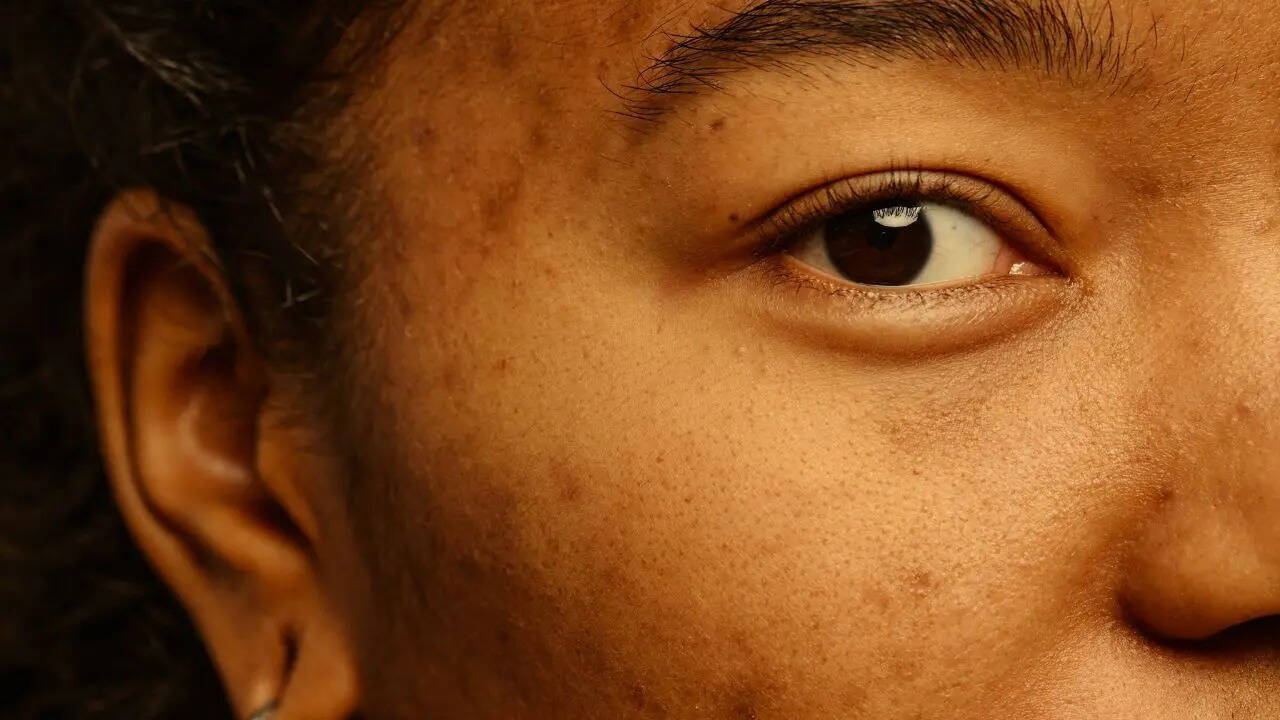
Goodbye Patchy Skin: The New-Age Laser Treatments Making Dull Skin Radiant Again
When we talk about daily skincare, it may help limit damage to some extent but the routine rarely tackles the deeper skin issues. According to Dr Chanana, to fix stubborn seasonal damage, dermatologist-guided laser solutions use precise light wavelengths to target melanin without harming the skin’s surface. Here are some effective options to discuss with your skin expert:
- Fractional Non-Ablative Resurfacing – This popular treatment delivers laser energy deep into the skin while leaving the outer layer intact. It creates tiny treatment zones using laser energy without damaging the outer layer of your skin. This approach helps restore your body’s healing process, replacing pigmented or damaged cells with fresh, healthy ones. It is a great method for improving texture and mild sun damage, with brighter skin and little to no downtime or peeling. A 2016 research published in the Journal of Cosmetic Dermatology showed measurable improvement in melasma severity after Q-switched Nd:YAG laser sessions. The authors noted, “The mean mMASI score decreased from 6.7 ± 3.3 to 3.2 ± 1.6.”
- Advanced Laser Treatments – Modern clinics rely on versatile technologies like the Harmony XL Pro to treat a wide range of skin issues in one go, whether it is skin resurfacing, improving texture, correcting pigmented lesions, hair removal, or acne. This multi-application platform helps achieve excellent results with minimal downtime and effectively handles stubborn sunspots and redness with precise control.
While laser solutions benefit in fixing the seasonal pigments, consistency and timely follow-ups are the key to prevent dullness from coming back. Moreover, daily care keeps pigment cells in check, so Dr Chanana recommended, “combine touch-up sessions with a pro brightening routine using vitamin C or tranexamic acid, as advised by your dermatologist, to maintain even, glowing skin all year.”Note: The information provided in this article is for educational purposes only and is not intended as medical advice. Always consult with a qualified healthcare professional before starting any new medication or treatment and before changing your diet or supplement regimen.