
Preparing for the first day of school: Simple ways parents can make children feel ready and confident
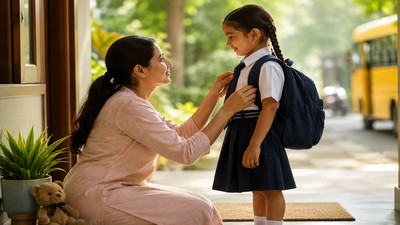
The first day of school is rarely just a date on the calendar. In many homes, it arrives like a small emotional milestone, carrying equal parts excitement, nerves and hope. For children, it can mean a new classroom, unfamiliar faces, a tighter routine and the quiet fear of not knowing exactly what comes next. For parents, it can stir its own private storm: pride at how much a child has grown, concern about tears at the gate and the instinct to smooth every sharp edge before the morning begins. What children need most on that day is not perfection. They need steadiness. They need a sense that school is not a test of bravery but a place they are allowed to grow into, one small step at a time. The more calm and prepared the home feels, the easier it becomes for a child to walk into the classroom with a little more confidence and a little less fear. Scroll down to read more…
Start the adjustment before the morning rush
A confident first day rarely begins on the first day itself. It begins in the days before, when the household slowly shifts into school mode. Bedtimes should move earlier, mornings should begin at roughly the hour school will demand and meals should follow a more predictable rhythm. Children often struggle less with school itself than with the sudden shock of structure after a relaxed holiday routine.
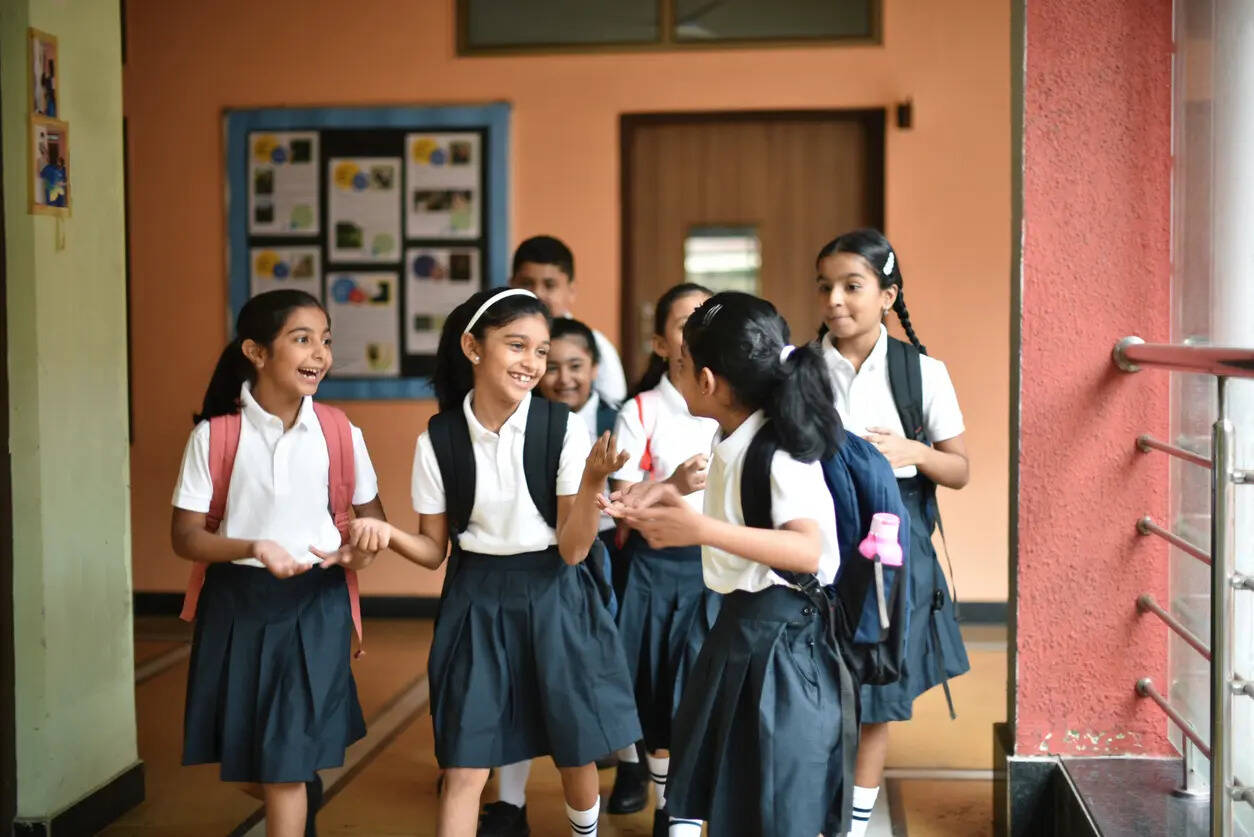
This is also the time to talk through what the day might look like. Not in a heavy, overly serious way, but in simple, reassuring language. Children tend to feel safer when they can imagine the sequence of events: arriving, meeting the teacher, putting away the bag, finding the desk, seeing the lunch break, and coming home. The unknown becomes less frightening when it has shape.
Keep the conversation calm and practical
Children often take their emotional cues from adults. If the tone around the first day becomes too dramatic, children may assume they are stepping into something bigger and more threatening than it really is. A calm, matter-of-fact approach helps more than long speeches about how special or important the day will be.It is useful to ask open questions but not to interrogate. A parent can say, “What part are you thinking about most?” or “Is there anything you want to know before tomorrow?” That leaves room for a child’s actual feelings to surface. Some children will talk. Others will shrug. Both responses are normal. The point is not to force confidence but to make space for honesty.
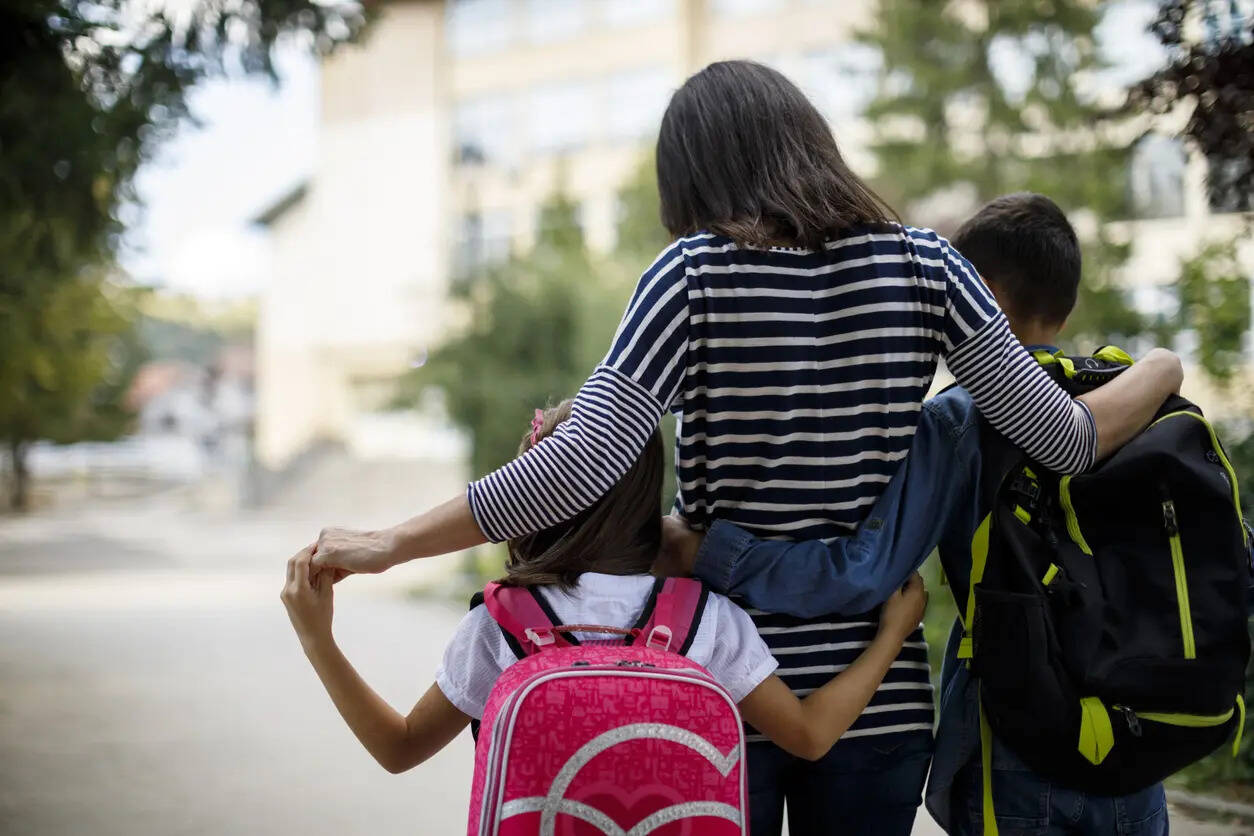
When children admit they are nervous, resist the urge to dismiss it with quick reassurance. A child who hears “You’ll be fine” may feel unheard. A better response is more grounded: “It makes sense to feel nervous. New places can feel big at first. We will take it one step at a time.”
Let preparation feel familiar
Small practical preparations can make a surprisingly large emotional difference. The school bag, lunch box, uniform, water bottle and shoes should be ready the night before. Familiar objects carry comfort, especially for younger children. A neatly packed bag can feel like a quiet promise that the day is under control.For some children, it helps to practise the route to school or to look at pictures of the building, the classroom or the playground before the first day. Even a brief visit to the campus, if possible, can reduce the feeling of being dropped into unfamiliar territory. Children often fear what they cannot picture. Once they can visualise the space, the fear usually softens.A small personal comfort item can also help, where school rules allow it. A note in the lunchbox, a tiny keychain, a familiar handkerchief or even a scent they recognise can act like an emotional anchor. It tells the child that home is still close, even when they are away from it.
Avoid passing on adult anxiety
Many children do not arrive at school carrying only their own worries. They also carry the emotional weight of the adults around them. A parent who keeps checking the clock, rehashing worst-case scenarios or expressing visible panic may unintentionally teach the child that school is dangerous.The morning should feel gentle, not hurried into chaos. Breakfast should be unhurried if possible. Instructions should be clear and brief. Last-minute corrections, arguments over socks or repeated reminders tend to raise the temperature of the room without helping the child feel more prepared. Children remember the emotional atmosphere of a morning far more than they remember whether the pencil case was perfect.
Offer confidence without pressure

There is a difference between encouraging a child and demanding that they perform bravery. Not every child will walk in smiling. Some will cling. Some will fall silent. Some will look composed and then cry later. None of this means the child is unready. It means they are adjusting.A better message is not “Be strong” but “You can do hard things, and you do not have to do them alone.” That kind of reassurance gives children dignity. It tells them they are capable without pretending the day will be easy.
Make the goodbye brief and clear
Goodbyes often become harder when they are stretched too long. A clear, warm farewell is usually easier for a child than repeated leaving and returning, which can confuse the emotional rhythm of separation. A hug, a steady sentence and a confident exit often work better than lingering uncertainty.Children look to their parents for cues at that moment. If the parent appears settled, the child is more likely to settle too. Even if tears come, they usually pass faster when the handoff is calm.The first day of school is not about delivering a flawless child into a perfect classroom. It is about helping a young person feel secure enough to begin. Confidence, in this sense, is not loud. It is built quietly through routine, honesty, familiarity and trust. And sometimes, that is all a child needs to take the first step through the school gate and into a new chapter.