
Sadhguru Parenting Quotes: “Don’t be a boss to your child”: The parenting mistake Sadhguru warns parents about
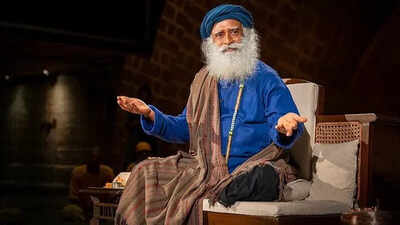
In a video posted by Sadhguru on YouTube, the spiritual leader reflected on a parenting mistake he believes quietly damages many children: turning love into pressure. There is a particular kind of parenting that often begins with love and ends in pressure. It looks like concern, but beneath it sits control. It sounds like guidance, but often feels like possession. In this clip, Sadhguru draws a sharp line between the two, warning parents not to turn childhood into a burden of expectations. “Don’t make your children’s lives miserable by thinking you have to make them achieve things that you did,” he says. It is a line that lands hard because it captures something many families know quietly but rarely say aloud. Parents often project their unfinished dreams onto their children, as though the next generation has been assigned the job of completing a life that was never fully lived. That, Sadhguru suggests, is where parenting goes wrong. Scroll down to read more…
Children are not extensions of their parents
One of the strongest ideas in the clip is that children are not possessions. “you are not a boss you don’t own them,” he says. That sentence cuts through the modern habit of treating children like projects to be managed. Sadhguru is not arguing against discipline or responsibility. He is questioning the mindset that turns parenting into authority for authority’s sake. A child, he suggests, does not need a commander. “Your child needs a friend, somebody who reaches out, somebody who plays with them.” In other words, children do not only need rules; they need presence. They need someone who can meet them at their level, not stand above them with a checklist of demands.
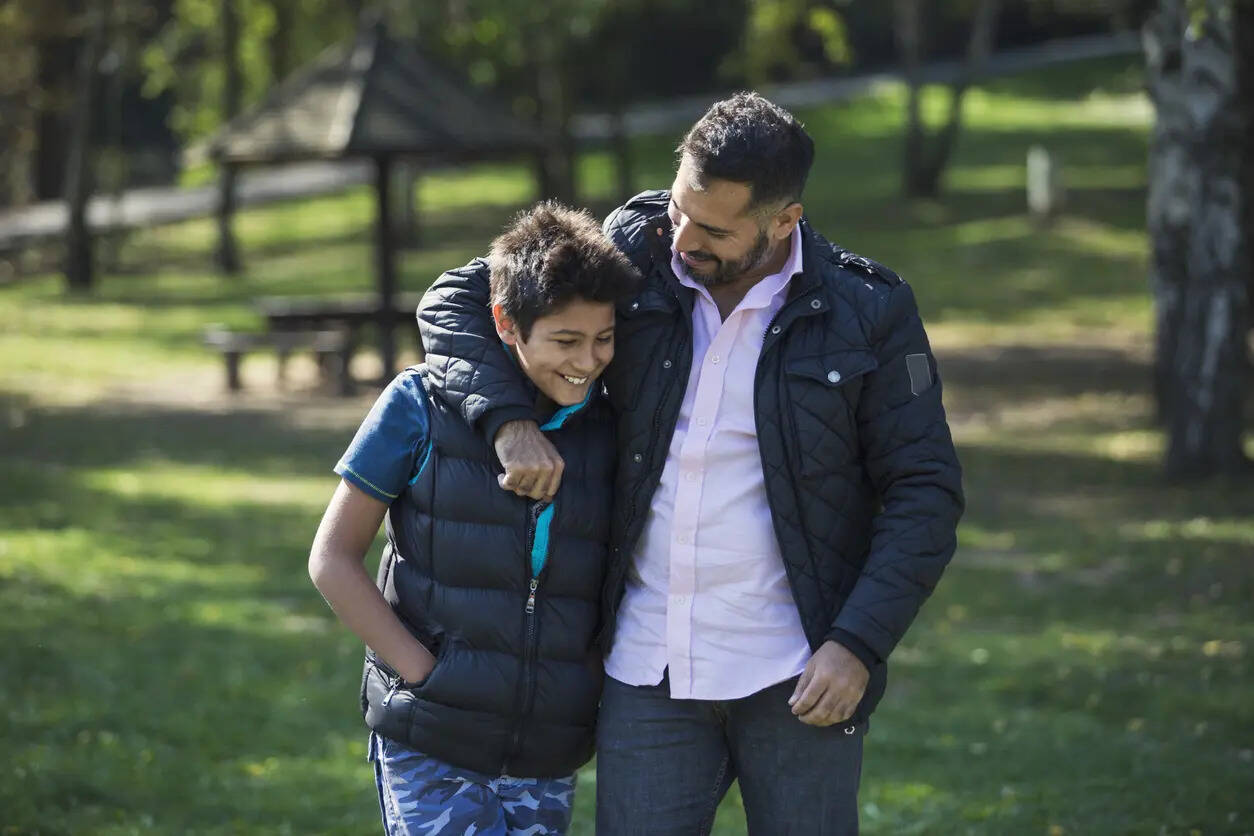
That idea is especially important in an age where parenting has become more anxious than ever. Many parents now feel pressure to engineer outcomes early: top marks, perfect behaviour, polished skills, a secure future. But the more a parent tries to control every outcome, the less room a child has to grow into themselves.
The world has changed, and so has influence
Sadhguru also points to something many parents overlook: the balance of influence has changed dramatically. He recalls a time when parents and family shaped most of a child’s world. But now, he says, “today your influence on the child is probably 25 30% max.”That estimate may be approximate, but the point is clear. Children today are shaped by a vast ecosystem: phones, platforms, peers, teachers, neighbours, trends, videos and voices from everywhere. Parents are no longer the sole or even dominant influence they once were. That reality can make some parents more controlling, not less. But Sadhguru’s argument is the opposite: when your influence is limited, fear and force will not help.
What still matters is the quality of that influence

If a parent becomes harsh, distant or authoritarian, the child is likely to seek comfort elsewhere. “if your child wants to share something, they’ll go and share with their friends,” he says. And the reason, as he puts it, is simple: “they think their friends are sensible.”That line may sound humorous, but it reflects a truth every generation of parents eventually has to face. Children do not always run from parents because they are rebellious. Sometimes they run because they do not feel understood.
A parent should not be a source of fear
One of the most memorable parts of the speech is Sadhguru’s description of the emotional atmosphere children should grow up in. He says, “do the best nurturing the best thing you can do is in your home create an atmosphere that your children will never see what is anger what is frustration what is fear what is jealousy what is quaring with each other.”The sentence may be raw, but its message is tender. Children absorb the emotional weather of a home long before they understand its arguments. They may not remember every word, but they remember the tension. They remember who shouted, who withdrew, who was frightened, who was always on edge.

For Sadhguru, the deeper job of a parent is not to lecture a child into wisdom. It is to create a home where the child can breathe. “they grew up in an atmosphere of joy and love,” he says, and that atmosphere, he believes, shapes a life more powerfully than any sermon.It is a reminder that children learn not just from instruction but from exposure. They watch how adults behave when tired, when disappointed, when annoyed. They learn what love looks like in practice. They learn whether home is a battlefield or a safe place to return to.
The privilege of raising a life
The clip also carries a gentler, more philosophical note. Sadhguru says, “it’s a privilege another life happen through you always value that privilege.”That line reframes parenting as stewardship rather than ownership. A child is not a trophy. A child is not a repair job for adult regrets. A child is a life arriving through you, not from you. That distinction matters.It asks parents to step away from ego and toward responsibility. To nurture rather than mould. To guide rather than dominate. To support rather than possess.He ends on a point that may be the most practical of all: “you don’t have to teach them any stupid philosophy.” What children need first is not abstract preaching, but a living example of steadiness, warmth and emotional honesty. If they grow up seeing peace, they are more likely to carry peace. If they grow up seeing love, they are more likely to recognise it.
What the message really asks of parents
At its heart, this clip is not anti-discipline and not anti-ambition. It is anti-ego. It warns parents against using children to complete themselves. It asks them to stop confusing anxiety with care. It asks them to remember that a child is not a battleground for a parent’s unmet dreams.The message is simple, but not easy: be a friend before becoming an authority. Be a shelter before becoming a judge. Let the child belong to life, not to your expectations.