Nvidia CEO Jensen Huang to CEOs blaming AI for layoffs: Tell me, how is it possible that …
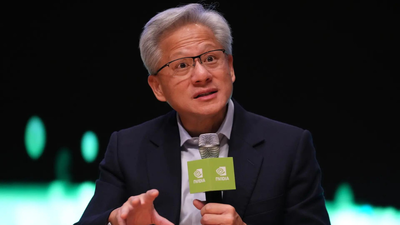
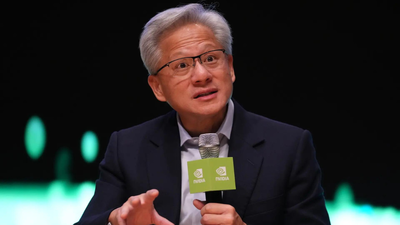
Nvidia CEO Jensen Huang has criticised corporate leaders who are attributing layoffs to artificial intelligence. The chief executive of the US-based chipmaking giant called such explanations “lazy” and questioned how companies could justify job cuts using AI before the technology became widely usable in workplaces.Speaking to Singapore broadcaster CNA in an interview in Taiwan, Huang said many executives were oversimplifying the relationship between AI adoption and workforce reductions. He said, “I think the narrative that connects AI to job loss for many of the CEOs that are doing it, it is just too lazy. AI has just arrived. How is it possible they’re already losing jobs?”Huang argued that linking layoffs to AI “doesn’t make any sense” when generative AI tools only became broadly practical for businesses recently.“How is it possible that AI became productive and useful only six months ago, and they were somehow laying people off two years ago because of AI?” he added.
Nvidia CEO Jensen Huang says companies are ‘scaring people’
The comments come as companies across industries continue integrating AI tools into operations while concerns grow among workers over automation and job security. Recent rounds of layoffs across the technology sector have intensified discussions around whether businesses are genuinely replacing workers with AI systems or using the technology as justification for broader cost-cutting measures. Huang suggested some executives invoke AI-related narratives mainly to appear forward-looking.“Some executives were blaming layoffs on AI ‘to sound smart.’ I really hate that,” he said. The Nvidia chief also said industry leaders should take a more balanced approach when discussing AI’s impact on employment and society.“I think we’re scaring people and that’s irresponsible,” Huang highlighted.According to Huang, conversations around AI should acknowledge both opportunities and risks, while also focusing on safety measures and long-term policies. He said the industry should present a “balanced narrative” that includes “proper security measures, guardrails, and supportive government and industrial policies.”“On the other hand, tell a story that’s optimistic so that people want to be part of it,” he added.During the interview, Huang also spoke about joining Donald Trump on a recent trip to Beijing after receiving what he described as a last-minute invitation from the former US president. Huang said Trump called him on the morning of the trip and “insisted” that he join the delegation.“He called me in the morning — he didn’t realize I wasn’t going — and he insisted that I get on the plane and go,” Huang noted.According to him, Trump initially thought he was already in Washington, DC, but after learning Huang was on the West Coast, told him to meet Air Force One in Alaska. Huang said he travelled with other US executives representing multiple industries. “We were there to really represent the United States and support the president,” he said.