Nuzvid’s mango belt shrinks amid shifting trends | Vijayawada News
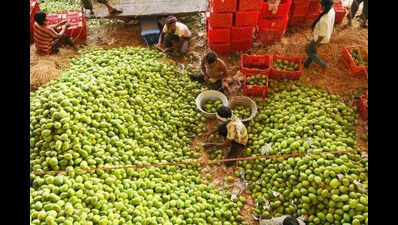
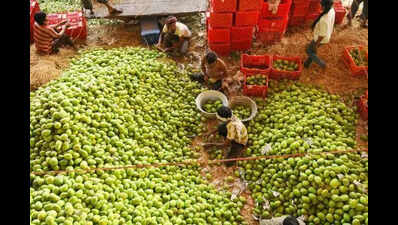
Vijayawada: For decades, Nuzvid in Andhra Pradesh has been synonymous with mango cultivation, earning a reputation as one of the state’s premier mango-growing regions. Known for producing some of the finest mango varieties in the country, the region is now witnessing a gradual decline in orchard acreage, raising concerns about the future of its rich horticultural heritage.Mango orchards once spread across nearly 75,000 hectares in the Nuzvid region until 2013. Today, that area has reduced to around 58,000 hectares, reflecting a steady decline over the past decade, as per the reports with the horticulture department. Farmers and agricultural experts warn that if the trend continues, Nuzvid could slowly lose its long-standing identity as a mango hub.Around 20 varieties of mangoes are cultivated across the region. Among them, Chinna Rasalu, Banginapalli, Pedda Rasalu, Thotapuri and Cheruku Rasalu are particularly famous and enjoy strong demand in domestic markets. These varieties have long been the pride of local farmers and a key contributor to the region’s economy.However, growers say recurring pest attacks, changing weather patterns and the ageing of mango trees have significantly reduced yield. Many orchards now yield far less fruit than they did a decade ago, making mango cultivation increasingly unprofitable.“Several of our trees are 120 years old and no longer produce the same quantity or quality of fruit. Pest infestations have become a major challenge, and the cost of maintenance keeps rising every year,” said B Srinivasa Rao, a mango farmer from Aagiripalli. Another grower noted, “We have emotional ties to mango cultivation, but farming has to be economically viable. Many farmers are shifting to crops that offer more stable returns.”Farmers are earning a good amount by axing the old trees since many traders were making beelines to buy the timber of mango trees. The increasing popularity of oil palm cultivation has emerged as a major factor behind the change. Attractive market prices, govt support and the possibility of growing intercrops such as cocoa have encouraged many farmers to convert their mango orchards into oil palm plantations.Agriculture observers say the transformation is gradually reshaping the landscape of the Nuzvid region. AP Horticulture Department focused on this region and started encouraging farmers to replant modern varieties of mango plants in the place of old trees.GFX