
Cold hands and feet could be a serious warning sign: Know why your circulation is weak and how to fix it naturally |

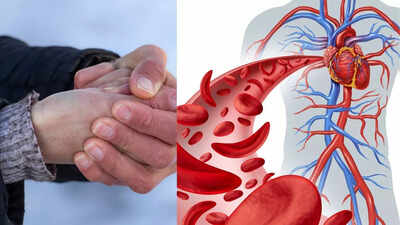
Cold hands and feet are not just uncomfortable—they can indicate poor circulation. Circulation is the body’s process of delivering oxygen and nutrients from the heart to muscles, skin, and organs. When blood flow is restricted, extremities may feel cold, numb, or tingly. Over time, insufficient circulation can lead to more serious problems, including tissue damage, slow-healing sores, or ulcers. Several factors can contribute to poor blood flow, such as age, high blood pressure, diabetes, obesity, and certain medical conditions. The good news is that lifestyle changes can make a big difference. Regular exercise, staying hydrated, eating a heart-healthy diet, elevating your legs, and wearing compression stockings are all effective ways to boost circulation and maintain overall health.
Understanding poor circulation
Circulation is crucial for maintaining the health of your tissues and organs. Your heart acts as a pump, pushing blood through a network of arteries, veins, and capillaries. When this system is compromised, tissues may not get enough oxygen or nutrients, which can slow healing, reduce energy, and make extremities like hands and feet feel cold. Poor circulation can also increase the risk of more serious conditions, such as peripheral arterial disease or heart problems.
Common signs of poor circulation
Recognising poor circulation early can help prevent complications. Typical signs include:
- Cold hands and feet that persist even in warm environments
- Tingling or “pins and needles” sensations
- Pale or bluish skin
- Muscle weakness or fatigue
- Numbness in fingers, toes, or limbs
- Pain in legs when walking or standing
- Swollen veins or visible varicose veins
- Slow-healing sores or ulcers on the skin
If you notice these symptoms regularly, it may indicate underlying circulatory issues that require attention.
Key causes of poor circulation
Poor circulation can develop gradually or due to specific health conditions. Some of the most common causes include:
- Atherosclerosis: This occurs when fatty plaques build up in artery walls, narrowing the vessels and making it harder for blood to flow. Over time, this can restrict oxygen delivery to tissues and increase the risk of heart attack or stroke.
- Peripheral arterial disease (PAD): PAD is a type of atherosclerosis that specifically affects arteries in the legs and feet. It causes leg pain, numbness, and poor wound healing, and is often linked to the same processes that cause coronary heart disease.
- High blood pressure: Hypertension can damage arteries, making them stiffer and more prone to plaque buildup, which reduces blood flow to distant parts of the body like hands and feet.
- Heart failure: When the heart cannot pump blood efficiently, circulation slows, and extremities may not receive sufficient oxygen and nutrients.
- Diabetes: Excess sugar in the blood can damage blood vessels over time, contributing to plaque formation and narrowing of arteries, which slows blood flow.
- Obesity: Carrying extra weight places additional strain on the heart and increases the risk of diabetes, high blood pressure, and cholesterol problems, all of which can impair circulation.
- Raynaud’s disease: This condition causes blood vessels in the fingers and toes to constrict excessively in response to cold or stress, resulting in cold, pale, or numb extremities. Millions of people in the UK are affected by this condition.
5 ways to boost your circulation
Raising your feet slightly above heart level encourages blood to flow back toward your heart with the help of gravity. If you spend long periods sitting, consider lying down or using a footrest to prevent blood from pooling in your legs. Elevating your legs can also reduce swelling and relieve discomfort after long hours of sitting or standing.Physical activity strengthens your heart and helps blood circulate more effectively. Walking, swimming, gardening, or yoga are all excellent ways to get your blood pumping. The NHS recommends 150 minutes of moderate-intensity exercise per week, which can improve circulation while boosting overall health. Even simple movements like stretching, rotating your ankles, or wiggling your toes after sitting for long periods help stimulate blood flow.Blood is about 50% water, so dehydration reduces blood volume and makes circulation less efficient. Drinking six to eight glasses of water or fluids per day supports healthy blood flow. Proper hydration also keeps your blood from thickening, which helps it move more easily through veins and arteries. People with heart conditions, such as heart failure, should check with a doctor before increasing fluid intake.
- Maintain a heart-healthy diet
A nutritious diet protects your arteries and supports circulation. Consuming a Mediterranean-style diet rich in fruits, vegetables, whole grains, legumes, and oily fish can reduce plaque buildup and improve blood flow. Limiting saturated fats and highly processed foods is also important. For those carrying extra weight, this diet, combined with exercise, helps ease strain on the heart and encourages healthy circulation.
- Consider compression stockings
Compression stockings apply gentle pressure to the legs, helping blood move back toward the heart and reducing swelling. They are especially useful for people who stand for long periods or experience venous insufficiency. It is important to consult a healthcare professional to ensure the correct fit, as improperly sized stockings can irritate the skin or reduce circulation instead of improving it.
4 things to avoid if you have poor circulation
- Direct heat on hands and feet
Using hot water bottles or portable heaters on numb extremities can cause burns, as you may not feel excessive heat. Wearing warm socks and gloves, or gradually warming up in a bath or shower, is safer.Although some claim that dry brushing improves circulation, there is no scientific evidence supporting long-term benefits. It can irritate fragile skin, especially in those with compromised blood flow, and may even worsen skin damage.
- Tight clothing and footwear
Clothing or shoes that compress certain areas can restrict blood flow. Loose-fitting clothes and properly sized footwear are essential to maintain healthy circulation.Cigarettes damage blood vessels and promote plaque buildup, restricting blood flow. Quitting smoking is one of the most effective ways to protect your arteries, improve circulation, and reduce the risk of related health problems.Disclaimer:The information provided in this article is for educational and informational purposes only and is not a substitute for professional medical advice, diagnosis, or treatment. Cold hands and feet can be a sign of underlying health conditions, including poor circulation, heart problems, or other medical issues.Also Read | Water hyacinth: Bengal’s infamous ‘terror’ that chokes waterways yet hides powerful nutritional secrets from BP to heart health