Harvard doctor warns: The tiny habit that could cost us our hearing
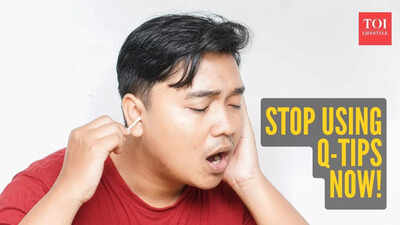
Many people reach for a Q-tip after a shower, believing it’s the best way to keep their ears clean and dry. It’s a ritual passed down through households, one that feels harmless, even necessary. But according to Dr Saurabh Sethi, a Harvard-trained physician, this tiny cotton stick is doing far more harm than good. He says that the warning is printed clearly on the box, “Do not insert into the ear canal,” yet it is often ignored. The truth is, ears are designed to clean themselves. The earwax we try so hard to remove is not a sign of poor hygiene; it’s a built-in defence mechanism that protects one of the most delicate organs in the body. Ignoring this natural process can lead to a cascade of problems, from hearing loss to infections that no Q-tip can fix.
Your ears have their own cleaning crew
The skin inside the ear canal moves slowly outward, carrying old earwax and trapped dust along with it. This natural conveyor belt keeps ears clean without any tools. Earwax, or cerumen, isn’t dirt, it’s a protective barrier. It traps bacteria, repels insects, and prevents the skin from drying out. Removing it entirely leaves the ear vulnerable to infections and irritation.
The hidden damage of a ‘clean’ ear
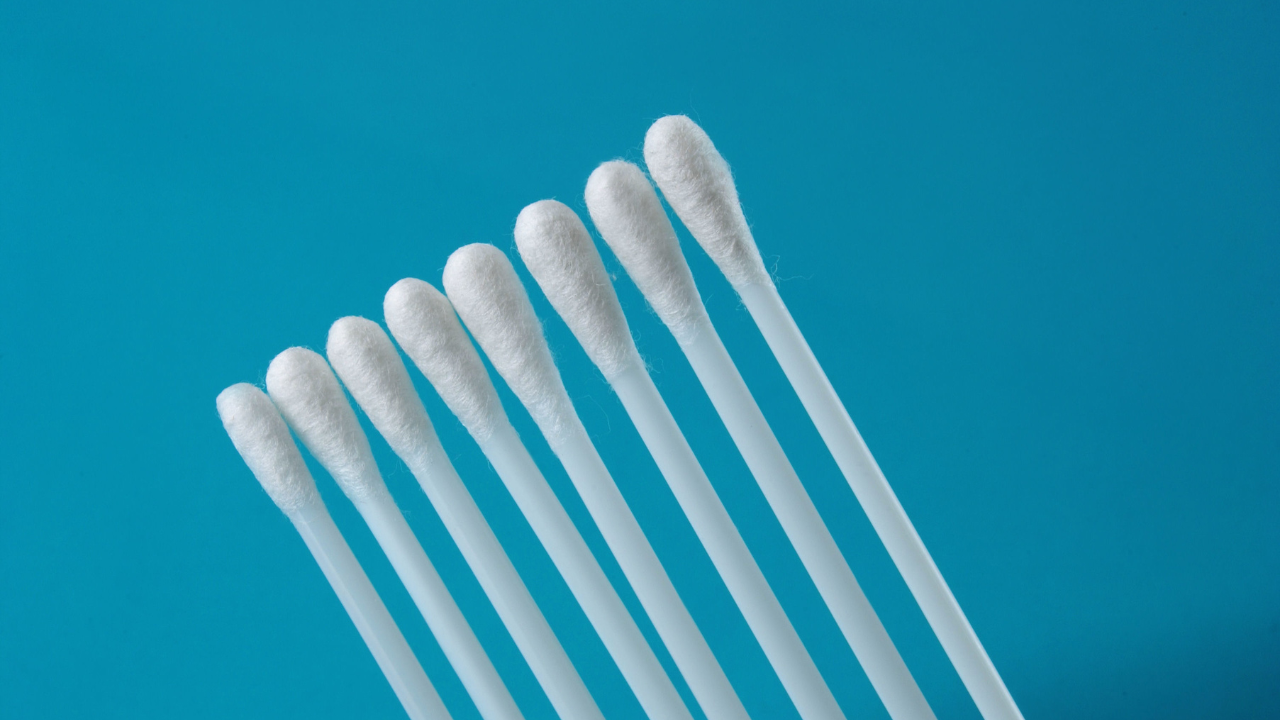
When a Q-tip is inserted, it doesn’t remove wax; it pushes it deeper into the ear canal. This compacted wax can cause a blockage that affects hearing and leads to pain or ringing in the ears. Worse, repeated prodding can scratch the delicate skin or even rupture the eardrum, a painful injury that can take weeks to heal.In fact, medical research indicates that over 70% of ear injuries treated in emergency rooms are associated with the use of cotton-tip applicators.
Why that ‘satisfying’ feeling is misleading
The tickle or relief after using a Q-tip isn’t cleanliness, it’s stimulation. The tiny hairs and nerves inside the ear react to touch, which releases endorphins and makes the process feel rewarding. But that pleasure masks damage happening beneath the surface. Over time, the canal becomes dry, inflamed, and more prone to infections like otitis externa (swimmer’s ear).
What we should do instead
If wax builds up enough to affect hearing, the safest route is medical removal by an ENT specialist. For mild cases, use a few drops of mineral oil, saline, or over-the-counter ear drops to soften the wax. Avoid inserting any object, including cotton swabs, bobby pins, or earbuds, into the ear canal. Simply wiping the outer ear with a damp cloth is all most people ever need.
A healthy habit worth breaking
It’s easy to overlook small habits that feel harmless. But when it comes to ears, restraint is the real care. Listening to experts like Dr Sethi reminds us that sometimes, doing less is the best protection. The next time a Q-tip tempts you, remember: your ears already know how to clean themselves, and they’ve been doing it beautifully all along.Disclaimer: This article is for informational purposes only and is not a substitute for professional medical advice. Always consult a qualified healthcare provider before attempting any ear-cleaning or treatment methods.