
Arunachalam Muruganantham Pad Man: “Laughed at by his village, trusted by the world”: “Pad Man” Arunachalam Muruganantham who changed millions of women’s lives and how
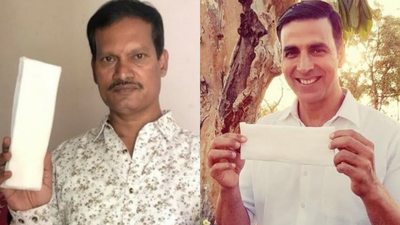
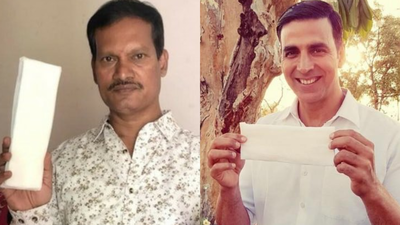
In a small village near Coimbatore in Tamil Nadu, a school dropout once began asking a question most people around him were too uncomfortable to even acknowledge. It was not about technology or business. It was about menstruation, a subject long surrounded by silence, stigma, and social discomfort. That man was Arunachalam Muruganantham, now known globally as India’s “Pad Man,” a social innovator whose unlikely journey transformed menstrual hygiene for millions of women. What began as a simple concern for his wife eventually evolved into one of the most impactful grassroots public health movements in modern India.
A discovery that changed everything
Muruganantham’s story began in 1998, soon after his marriage. One day, he noticed his wife, Shanthi using old cloth during her menstrual cycle instead of sanitary pads. When he suggested buying pads, she declined; they were too expensive for their household budget. For many families, spending money on sanitary products meant cutting back on essentials.
The realisation unsettled him. If his own wife faced this problem, how many other women were silently managing the same struggle?At the time, millions of women in rural India relied on unsafe alternatives such as reused cloth, ash, or other materials due to affordability and social taboo. Muruganantham decided to understand the issue himself and began attempting to make low-cost sanitary pads at home.
Experiments that invited ridicule
His early attempts were simple and often unsuccessful. Using cotton and basic materials, he created prototypes and requested feedback from women around him. Most refused out of embarrassment. Even discussing menstruation openly was considered inappropriate, especially for a man.Determined to improve his designs, he began studying how commercial sanitary pads worked. Without access to laboratories or technical training, he conducted experiments using a homemade testing device to simulate menstrual conditions.
When villagers discovered what he was doing, rumours spread rapidly. He was mocked, labelled unstable, and socially isolated. His unusual experiments made people uncomfortable, and the stigma surrounding menstruation amplified misunderstanding. Eventually, even his wife temporarily left him, unable to cope with the social pressure. For Muruganantham, the cost of curiosity became loneliness, but he refused to abandon the mission.
Understanding the science
After years of trial and error, he discovered that commercial sanitary pads were not made from cotton but from cellulose fibre derived from wood pulp, a material that offered superior absorption.IIndustrial machines used to manufacture pads were extremely expensive, making large-scale production inaccessible to rural communities. Instead of trying to compete with corporations, Muruganantham pursued a different idea: create a small, affordable machine that villages could operate locally.
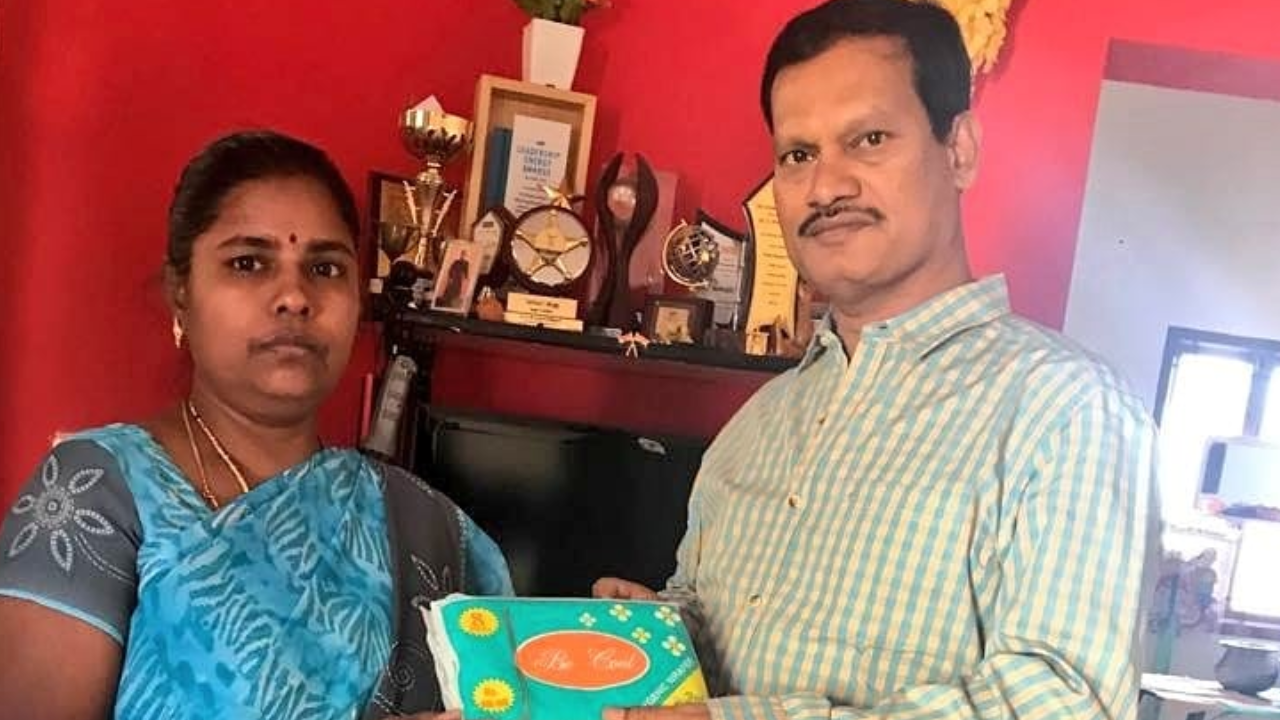
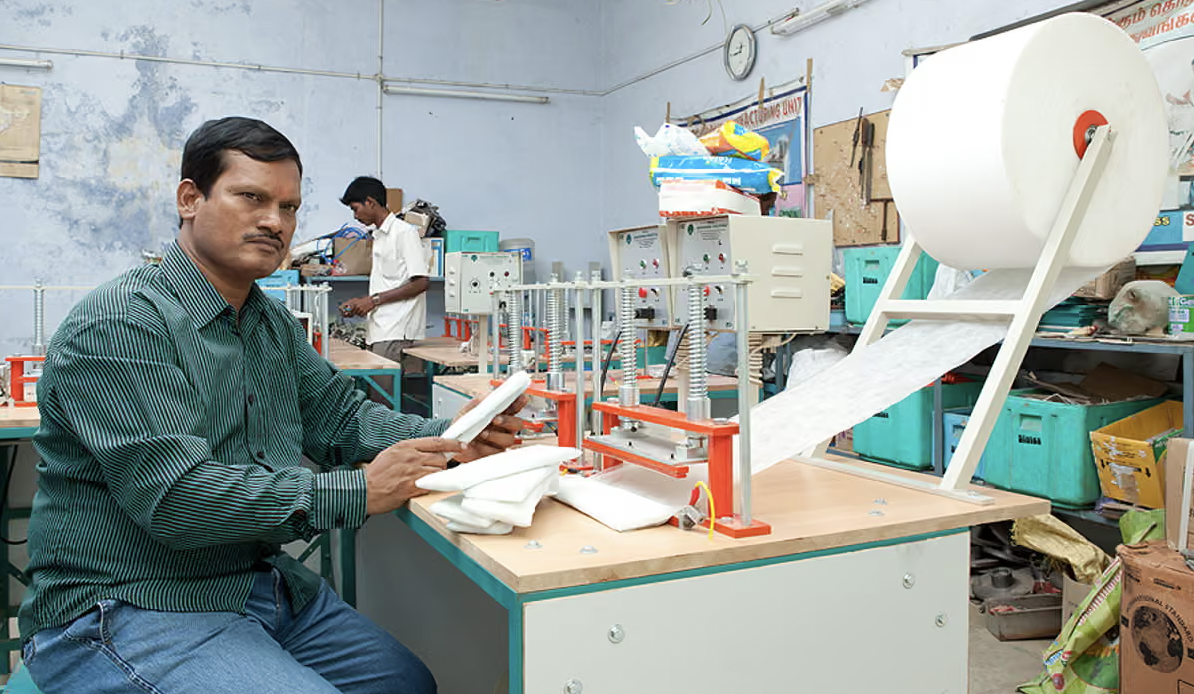
He designed a compact sanitary pad–making system that processed raw material, shaped pads, and sterilised them. The machine drastically reduced production costs, allowing sanitary pads to be sold at a fraction of market prices. The innovation was simple in appearance but revolutionary in impact.
Turning invention into empowerment
Rather than building a large commercial brand, Muruganantham focused on decentralisation. Through his company, Jayaashree Industries, he began installing machines in villages and training women’s self-help groups to manufacture and distribute sanitary pads themselves.This approach achieved multiple goals simultaneously:
- Affordable menstrual hygiene products for rural communities
- Employment and income opportunities for women
- Increased awareness and open conversations about menstruation
Women who once struggled to access sanitary products became entrepreneurs producing them. The shift was not only economic but also deeply social, helping dismantle long-held taboos through participation and education. Over time, thousands of these machines were installed across India and later in several other developing countries.
Changing how society talks about menstruation
Muruganantham’s greatest contribution may not be technological but cultural. By openly discussing menstrual health, he challenged a silence that had existed for generations.In many parts of India, menstruation had long been associated with restrictions and shame, affecting girls’ education and confidence. By bringing the conversation into public spaces, schools, villages, and workshops, he helped normalise a subject previously considered unmentionable.His work encouraged families to view menstrual hygiene as a health issue rather than a taboo, gradually shifting attitudes across communities.The global spotlight later amplified his mission. Documentaries, international speaking engagements, and popular cinema introduced his story to wider audiences, turning a local innovation into a global conversation about dignity and access.
Recognition after rejection
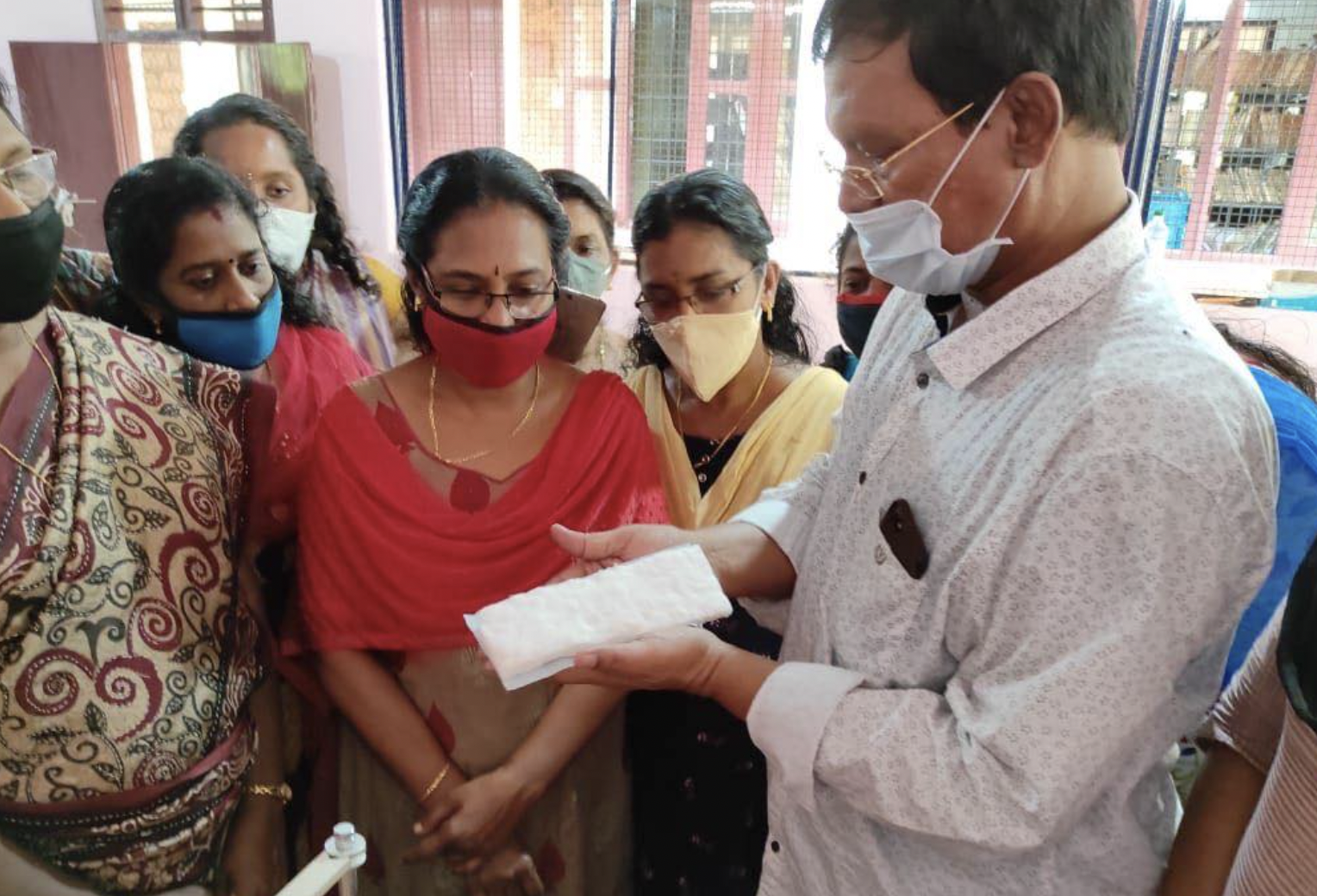
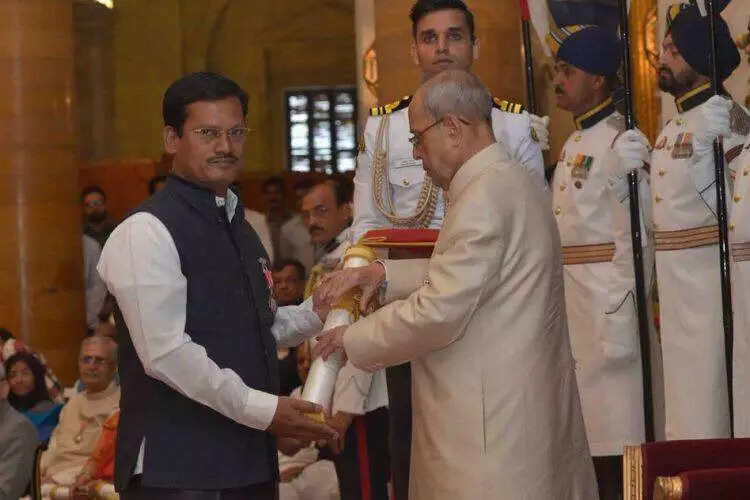
The same man once ridiculed by his village eventually received national and international recognition. He was named among the world’s most influential people by Time magazine and honoured with the Padma Shri by the Government of India. He has spoken at universities, innovation forums, and global conferences, sharing how empathy, not expertise, drove his invention.Despite worldwide recognition, Muruganantham continues to emphasise grassroots impact over personal success. His focus remains on expanding access to affordable menstrual hygiene and encouraging social change at the community level.
A revolution born from empathy
Muruganantham’s journey is remarkable precisely because it began without privilege or formal education. After losing his father at a young age, he left school early and worked various manual jobs to support his family. Nothing about his background suggested he would become a global innovator. Yet empathy became his driving force.By refusing to accept silence around menstruation, he transformed a private struggle into a public solution. His work not only improved health outcomes but also restored dignity and independence for countless women.
The power of one uncomfortable question
Arunachalam Muruganantham’s story is ultimately about courage, the courage to question norms, endure ridicule, and persist when change feels impossible.He was laughed at, isolated, and misunderstood. But persistence turned ridicule into respect and curiosity into a movement that reshaped lives.Today, millions of women benefit from affordable sanitary products because one man chose compassion over comfort. His journey reminds us that meaningful innovation does not always emerge from laboratories or corporations. Sometimes, it begins with a simple act of care and the determination to keep going even when the world refuses to understand.