
Meet the black rat that conquered the world: The tiny stowaway that spread plague, famine, and chaos across continents and changed human history |
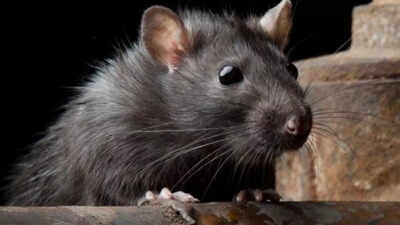
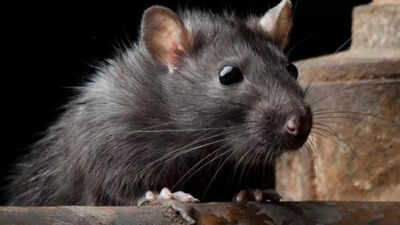
Rats are the tiny, scuttling creatures everywhere, it seems. Humans have lived alongside them for thousands of years, though most of the time we barely notice them until they bite, gnaw, or bring disease. The black rat, or Rattus rattus, is a particularly clever little animal. Experts say it has managed to hitch rides on ships, sneak into granaries, and even spark famines and pandemics. From South Asia to the most remote islands, this rat has travelled the world, leaving chaos in its wake. But it’s not all doom and gloom. People have observed remarkable intelligence, empathy, and social behaviours in these rodents. Oddly, it seems humans have a complicated relationship with them.
Black rat origins and cultural impact in South Asia
The black rat first appeared in South Asia, in India and Myanmar. Bamboo forests there bloom every 48–50 years, producing a flood of seeds. Experts say this triggers a “rat flood” called Mautam. Thousands of rats descend on farms, eating crops and stored food. Famines follow. In 1881, it reportedly caused migrations and conflicts in northeastern India.Yet, not all humans despise them. In Deshnok, India, at the Karni Mata Temple, around 20,000 black rats are fed and revered. Locals believe the rats are reincarnations. It’s strange, perhaps, but it shows how intertwined these rodents are with human culture.
Black rats and the threat to humans and crops
Black rats like to live near humans. They eat our scraps, shelter in our attics, and occasionally carry deadly germs. Experts say the Black Death, which killed roughly a third of Europe, likely involved black rats and their fleas. Fleas infected with Yersinia pestis would bite humans once rat populations collapsed. In modern times, rats still carry diseases like leptospirosis, murine typhus, and rat-bite fever. A recent outbreak in Berkeley, California, reportedly killed at least one dog, and could have endangered humans if untreated.If disease isn’t enough, rats destroy crops. Experts say they contaminate about 20% of agricultural products annually in the US, costing billions. Fruits, nuts, grains… nothing is safe. Their teeth never stop growing, so they gnaw. Tractors, irrigation lines, wiring in warehouses… all fair game. And their droppings? Ten times as much as they eat, experts warn. Farmers have had to be creative for centuries.
Black rats’ cleverness and the fight to control them
Rats are clever. They taste-test food, avoid new objects, and can learn to dodge traps. Historical attempts with arsenic or strychnine mostly failed. Warfarin, discovered in the 1930s, finally offered an effective solution. Rats don’t die immediately, which means poison spreads through populations. Today, rodenticides and advanced traps help, but black rats remain adaptable.Ellis, a biologist from the University of Sydney, says islands suffer most. Seabird eggs, lizards, native plants rats eat it all. Nutrient cycles collapse when birds vanish. Helicopters dropping poison have become common in eradication efforts, sometimes in tonnes.