Lamichhane: TV star who built RSP that caught Nepal’s imagination in just 4 years
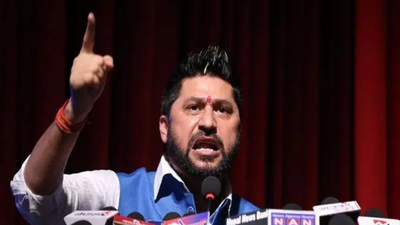
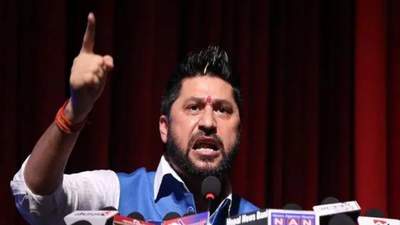
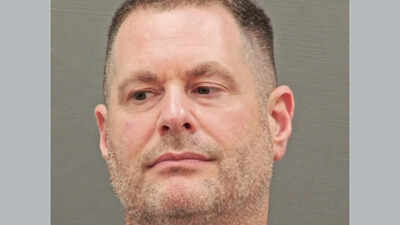
Kathmandu: Few politicians in Nepal rose as quickly as Rabi Lamichhane, 50. Before politics, he was already one of Nepal’s most recognisable faces — a loud, brash TV news presenter whose anti-corruption pitch made him a household name. When he launched Rastriya Swatantra Party (RSP) just before the 2022 election, he offered a simple promise: the old parties had failed and a cleaner alternative had arrived. In the first parliamentary election since the Sept 2025 Gen Z uprising, that promise found its biggest audience yet.Rabi’s appeal rested on distance from Nepal’s traditional leadership. He did not come up through the party structures, but through the small screen, where outrage was not hidden and grievance was turned into performance. “He did not sell ideology. He sold impatience,” an observer wrote in 2024.
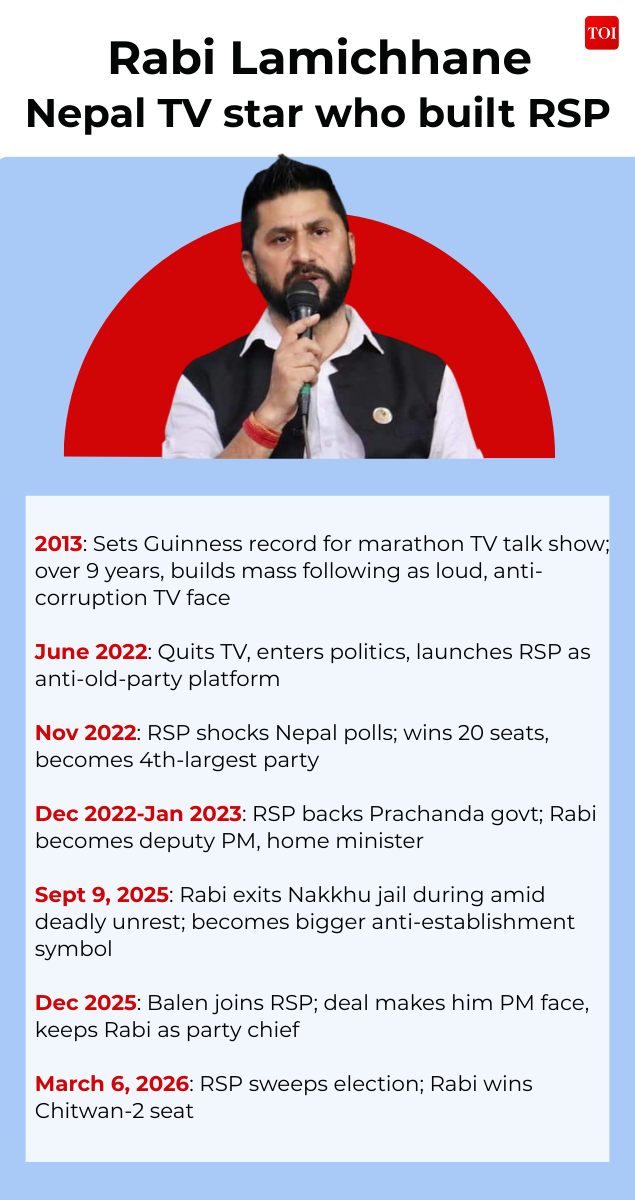
That outsider image helped RSP rise fast. The party drew urban voters, younger Nepalis and citizens weary of coalition churn and familiar faces rotating through office. Rabi became its organiser and most recognisable political asset. An analyst said in 2024 that his politics worked because it made anger look “immediate and usable”.
Rabi, though, was never only an outsider. After RSP’s first breakthrough, he moved quickly into power. He backed coalition efforts by older parties and served under PM Pushpa Kamal Dahal as deputy PM and home minister, placing him inside the very system he had attacked on TV.In Jan 2023, Supreme Court of Nepal annulled his lawmaker status over invalid citizenship papers, forcing him out of office. He returned later, and in 2024 again held the home ministry as Nepal’s alliances shifted.It showed that Rabi spoke like a disruptor but dealt like a pragmatist. He was willing to bargain with the establishment when power came within reach. That instinct would shape his biggest political move.Then Sept 2025 changed the country. The immediate spark for the uprising was the social media ban, but it was a broader revolt against corruption, unemployment and impunity — what Rabi had spoken against as a TV presenter. By then, Rabi’s detention in a cooperative fraud case had already turned him into a political symbol for many supporters — proof, in their eyes, that challengers were pursued while the entrenched remained protected.On Sept 9, during the unrest, he left Nakkhu jail in circumstances that remained disputed. Some accounts said protesters pulled him out. Others said authorities released him because the security situation had collapsed. “By then, he looked less like an accused politician than a vessel for public anger,” an observer said in 2025.The post-Sept mood soon found its biggest face in then Kathmandu mayor Balen Shah. If Rabi had built the party that could absorb anti-establishment anger, Balen gave that anger electoral force. Rabi was quick to recognise the opportunity and limit of his own appeal. When Balen joined RSP in Dec 2025, the arrangement reflected that balance: Balen would be the PM face if RSP won, while Rabi would remain party chief. “Bringing Balen and his supporters into RSP was a very smart and strategic move,” an analyst said.