Arvind Kejriwal Delhi liquor policy case: High court defers ED case, says it will stay trial court order against CBI officer
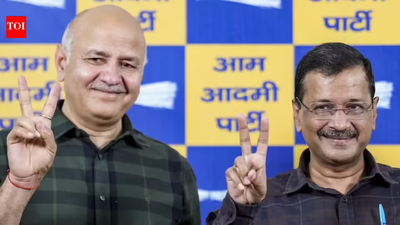
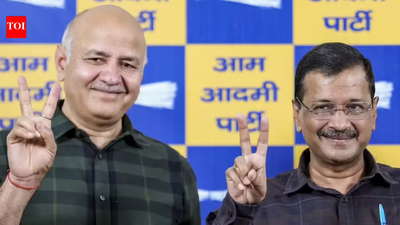
NEW DELHI: The Delhi high court on Monday stayed a trial court order directing departmental action against the CBI officer who investigated the Delhi excise policy case. Justice Swarana Kanta Sharma, hearing the CBI’s appeal against the discharge of former Delhi chief minister Arvind Kejriwal, former deputy CM Manish Sisodia, and 20 others, also asked the trial court to defer proceedings in the Enforcement Directorate (ED) case until the high court decides the appeal. The matter has been listed for further hearing on March 16.The case relates to a February 27 ruling by a special CBI court, which discharged the AAP leaders and other accused, noting there was “no overarching conspiracy or criminal intent” in the formulation of the Delhi Excise Policy 2021-22. The policy, which came into force in November 2021 and was later scrapped in July 2022, had come under scrutiny after a report by then Delhi Chief Secretary Naresh Kumar alleged procedural lapses and financial losses to the exchequer, including “arbitrary and unilateral decisions” taken by Sisodia in his capacity as Excise Minister.In its appeal, the CBI has argued that the trial court’s discharge order is “patently illegal”, accusing it of selectively reading the prosecution’s case and ignoring material showing the culpability of the accused. The agency claimed the court conducted a “mini-trial” at the charge-framing stage, interpreting witness statements and documents while discarding approver testimony on “untenable grounds.” According to the CBI, the alleged conspiracy can only be understood cumulatively, pointing to a continuing criminal scheme from policy formulation to the alleged misuse of funds for election purposes.The trial court had, however, held that the prosecution failed to produce legally admissible material connecting Kejriwal, Sisodia, or other accused to the alleged offences. The court described the case as a “speculative construct resting on conjecture and surmise”, highlighting internal contradictions in the prosecution’s chargesheet and excessive reliance on approver statements without independent corroboration. It also criticised the CBI for attempting to bypass evidentiary standards, observing that the investigation stitched together fragments to create an impression of a complex conspiracy.The high court will now examine the CBI’s challenge to the discharge order and the stay on departmental action against its investigating officer, while also deciding on the deferment of the ED case.