
Kerosene makes a comeback? Oil companies prepare backup plan if LPG shortage worsens amid Gulf conflict | Lucknow News
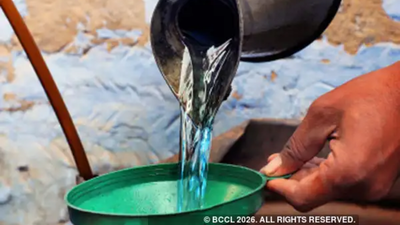
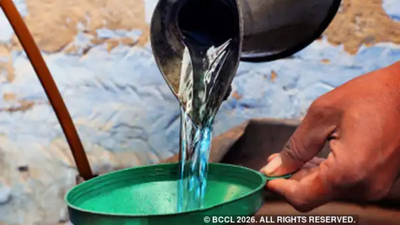
LUCKNOW/AYODHYA: Will kerosene make a comeback in your kitchen? Preparing for the possibility of a temporary LPG shortage in the next 10–12 days, oil marketing companies (OMCs) working in UP have begun formulating contingency measures to ensure households continue to have access to cooking fuel. The exercise, officials emphasize, is precautionary and intended only for a worst‑case scenario.According to officials from the OMCs, the planning involves evaluating whether kerosene — largely phased out over the past few years — could serve as an emergency alternative if LPG supplies tighten. “We are preparing precautionary measures so that if an LPG shortage occurs, consumers still have fuel for domestic use,” an official said, adding that the intent is solely to ensure readiness, not to reintroduce kerosene on a routine basis.A senior official explained that kerosene’s availability would not pose a major challenge because it is naturally generated during the refining of petrol and diesel. “Kerosene is readily produced along with petrol and diesel, so its availability from Indian refineries is not an issue,” the official said.Uttar Pradesh was declared a ‘kerosene-free’ state in 2020, ending central Public Distribution System (PDS) kerosene allocations as part of a nationwide push toward cleaner cooking fuels. Data from the ministry of petroleum and natural gas, compiled through parliamentary responses and PPAC reports, indicates a sharp decline in kerosene allocation to the state since then. Uttar Pradesh received about 43,152 kilolitres of PDS kerosene in 2020–21, which fell to 15,132 KL in 2021–22, dropped further to just 55 KL in 2022–23, and reached zero from 2023–24 onward.Given the potential strain on LPG supply due to tensions in West Asia, OMCs have begun early-stage assessments of how much kerosene might be required in an emergency and how it could be distributed. Options include using the state’s PDS network or deploying alternative channels that can be activated swiftly.As part of this groundwork, former kerosene dealers — who operated distribution networks until their closure a few years ago — received calls on Wednesday from IOCL’s divisional offices in Varanasi, Gorakhpur and other eastern districts. Officials contacted them to verify whether their old infrastructure remains intact.An IOCL officer from the Gorakhpur division told TOI, “We have been asked to conduct a quick survey and send a report to the ministry, so we are checking with former kerosene dealers whether their setup for distribution still exists.”According to officials, the outreach is not an indication of policy reversal but a feasibility check to understand how quickly storage units, dispensing points and documentation systems could be reinstated if required.“These are backup plans for a worst-case scenario,” an official said, emphasizing that the priority remains maintaining stable household access to cooking fuel while safeguarding the progress made over the years through LPG expansion.UP’s LPG demand drops by 24% following booking capOn regular days, Uttar Pradesh has a demand of 10 lakh LPG domestic cylinders, against which the oil marketing companies (OMCs) ensure 9.8 lakh cylinders. On Tuesday, the state generated demand of 7.6 lakh cylinders following the implementation of 25 days booking restrictions, against which the OMCs provided 6.9 lakh cylinders.OCMs assures normal fuel and LPG supply in UPAmid current geopolitical tensions raising concerns about fuel supplies in Uttar Pradesh, oil marketing companies (OMCs)once again reiterated, assuring consumers that petroleum products remain adequately available across the state. OMCs report that petrol, diesel and other fuels are being supplied normally, with no shortage anywhere. “Uttar Pradesh has around 4.85 crore LPG consumers, and distribution networks continue to function smoothly. There is no cause for concern and urged residents not to panic or hoard fuel or LPG cylinders unnecessarily. OMCs fully committed to maintaining uninterrupted supply throughout the state and meeting the needs of every household and consumer without disruption during this period of global uncertainty and vigilance,” said Sanjay Bhandari, State Level Coordinator for OMCs in Uttar Pradesh


