Ever noticed the ‘height above sea level’ boards at railway stations? Here’s what it means and why it matters |
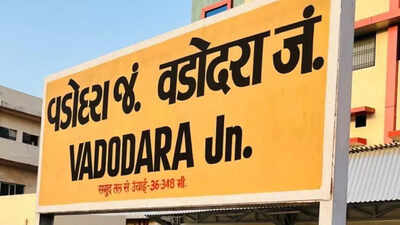
If you have ever waited for a train at a railway station in India, you may have noticed a small but curious detail on the station name board. Along with the station’s name, there is often a number written in metres, followed by the words “above mean sea level.” Many passengers glance at it but rarely think about why it is there. This information is not decorative, nor is it meant only for general knowledge. The height above sea level plays an important role in railway operations, engineering, safety planning, and even weather monitoring. This practice has been followed for decades and continues today across stations big and small.
What does ‘height above sea level’ board at railway stations mean
Height above sea level refers to how high a place is compared to the average level of the sea. In India, this reference is called the mean sea level. It is measured using long-term observations of sea levels, usually taken at coastal locations. When a station board says a station is, for example, 212 metres above sea level, it means the land at that station sits 212 metres higher than the average sea surface.This measurement gives a fixed reference point. Without it, comparing elevations across regions would be difficult, especially in a country with plains, hills, plateaus, and mountains.
Why ‘height above sea level’ board is important for railways
Railways depend heavily on precise measurements. The height above sea level helps engineers and planners understand the slope and gradient of railway tracks. Trains are heavy machines. Even small elevation changes affect fuel use, braking distance, and speed control.When rail lines are designed, engineers calculate how much a train must climb or descend over long distances. Knowing the elevation of each station helps them plan safe gradients. This information is also useful when upgrading tracks, adding new lines, or modifying old routes.
Role in train safety and operations
Elevation data is important for train safety. It helps railway staff assess areas that may be vulnerable to flooding, especially during heavy monsoon rains. Stations at lower elevations are often more prone to water accumulation. Knowing exact heights allows better drainage planning and quicker response during extreme weather.For stations in hilly or mountainous areas, elevation data helps in managing braking systems and speed limits. Train drivers are trained with route knowledge that includes altitude changes. This ensures smoother operation and reduces mechanical stress on engines and brakes.
Importance for signalling and engineering records
Railway signalling systems rely on detailed route profiles. These profiles include information about curves, slopes, and elevation changes. Height above sea level is part of this technical data. It helps maintain consistency between physical track conditions and signalling instructions.Elevation details are also part of long-term engineering records. When maintenance teams inspect tracks or bridges, they refer to these records to understand environmental factors such as water flow direction and soil stability.
Use in weather and climate monitoring
Railway stations often serve as reference points for weather data collection. In many parts of India, rainfall, temperature, and pressure readings are taken near railway premises. Elevation plays a key role in interpreting this data accurately.For example, rainfall patterns can differ sharply with height. Temperature also drops as elevation increases. Having the station’s height clearly marked helps meteorological agencies and local authorities align weather data correctly. This practice has historical roots, dating back to the early days of railway-linked weather observation.
A practice rooted in history
The tradition of marking height above sea level began during the British era. Railways were among the first large infrastructure systems in India to use systematic surveying methods. Accurate elevation data was essential for building long railway lines across diverse terrain.Over time, the practice continued because it remained useful. Today, it is still followed as part of its standard station signage, even as technology has advanced.
Why passengers still see ‘height above sea level’ board at many railway stations
Even though modern systems use digital maps and satellite data, the height above sea level remains relevant. It serves as a visible reference for railway staff, engineers, researchers, and even curious passengers. It also reflects the railway’s emphasis on precision and standardisation.Next time you stand on a platform and notice that number under the station name, you will know it represents more than a statistic. It is a small marker of how science, geography, and rail travel are closely connected across India’s vast railway network.