
Flight routes disrupted as Qatar, Bahrain, Kuwait close airspace temporarily amid tensions; Dubai and Riyadh airports operating limited services |


Tensions in the Gulf region has caused significant disruption to international air travel as Qatar, Bahrain, and Kuwait closed their airspace to international flights. This has caused airlines to divert dozens of flights that normally traverse these routes, which is significant since it is one of the most important aviation hubs in the world. Several air routes have been closed due to the tensions in the Gulf region, and as such, Dubai International Airport and King Khalid International Airport in Riyadh are operating with limited flights as airlines adjust flight paths.
Airspace closures disrupt major aviation hub
The Gulf plays a vital role in the global aviation map as it acts as a bridge connecting Asia, Europe, and Africa. Some of the prominent airlines such as Emirates, Qatar Airways, and Gulf Air heavily depend on the air corridors in the region in order to carry out operations connecting global cities.
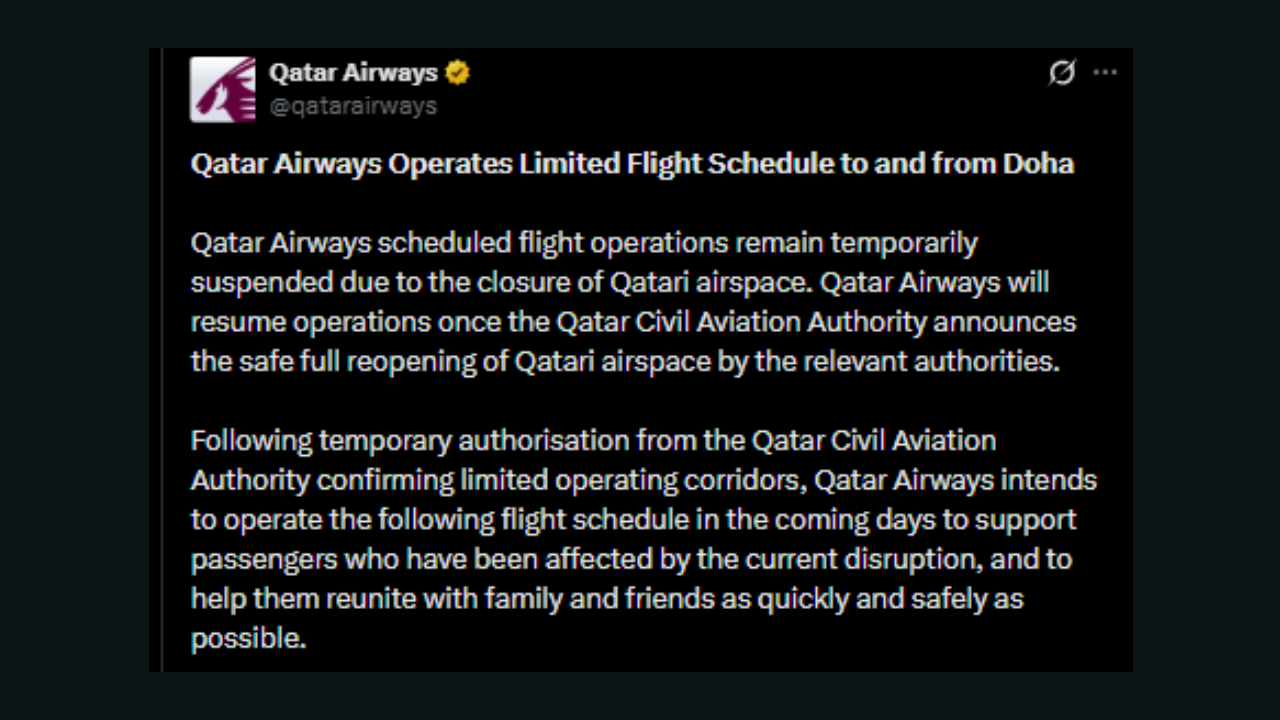
@qatarairways/X
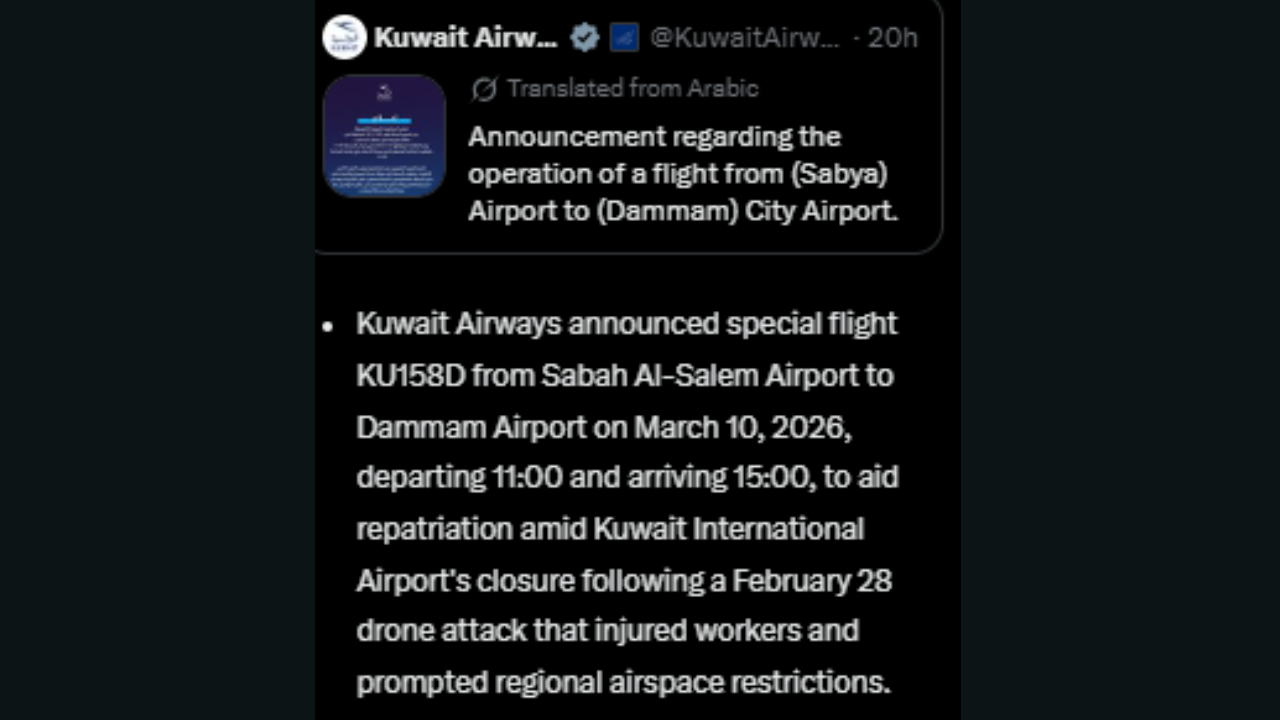
@KuwaitAirways/X
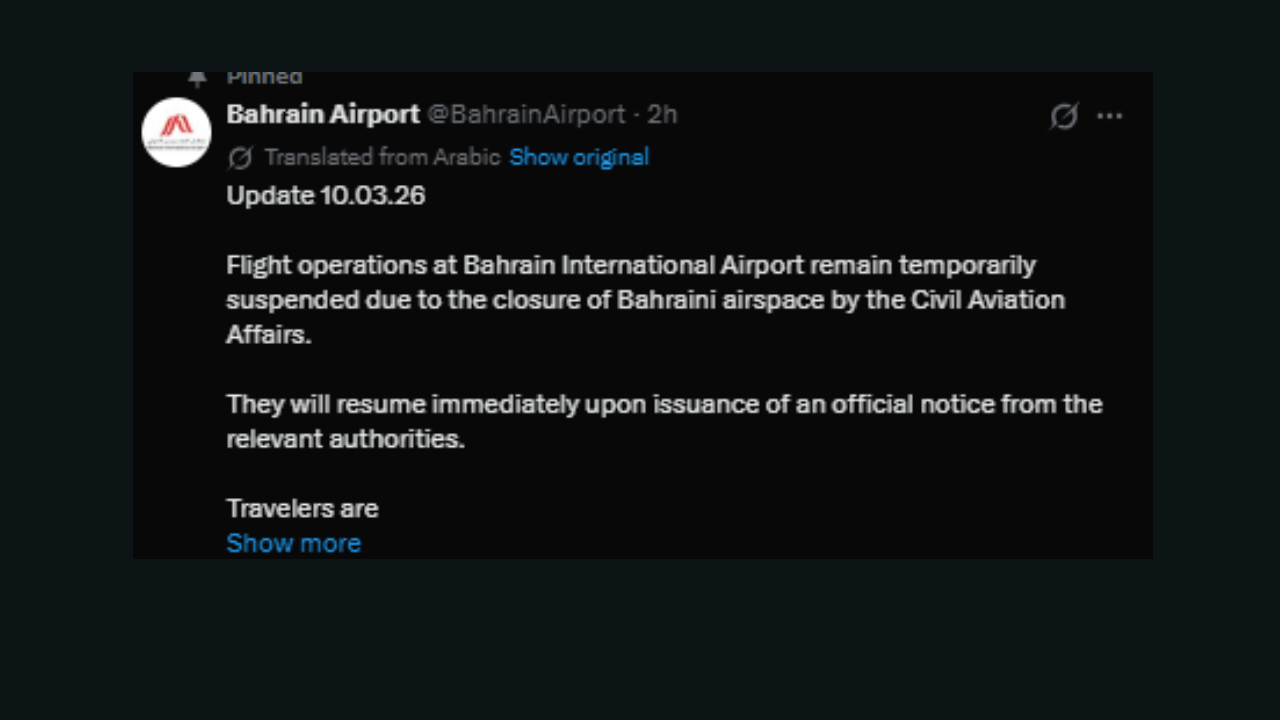
Bahrain Airport/X
However, the recent geopolitical tensions have resulted in the closing of airspace over Qatar, Bahrain, and Kuwait, forcing the routes to be diverted. This has resulted in the alteration of many international air routes that usually pass through the affected zones. Airlines are therefore trying to divert the routes through alternative routes. This has resulted in longer routes and changes in the air traffic control systems in the affected zones.
Dubai and Riyadh airports handling reduced operations
Airports that remain operational are now managing a reduced but complex flow of traffic. Dubai International Airport (DXB), which is one of the busiest international airports in the world in terms of transit traffic, continues to function but at a limited capacity in terms of air traffic. The airlines are adjusting their flight plans and either departing late or diverting the traffic through other regional airports.

Canva
Likewise, King Khalid International Airport in Riyadh is handling the diverted air traffic while trying its best to maintain its regular operations. Because many long-haul routes normally pass through Gulf airspace, the restrictions are affecting flights beyond the region as well, including services between Europe and Asia that use the Gulf as a transit corridor.
What the disruptions mean for travellers
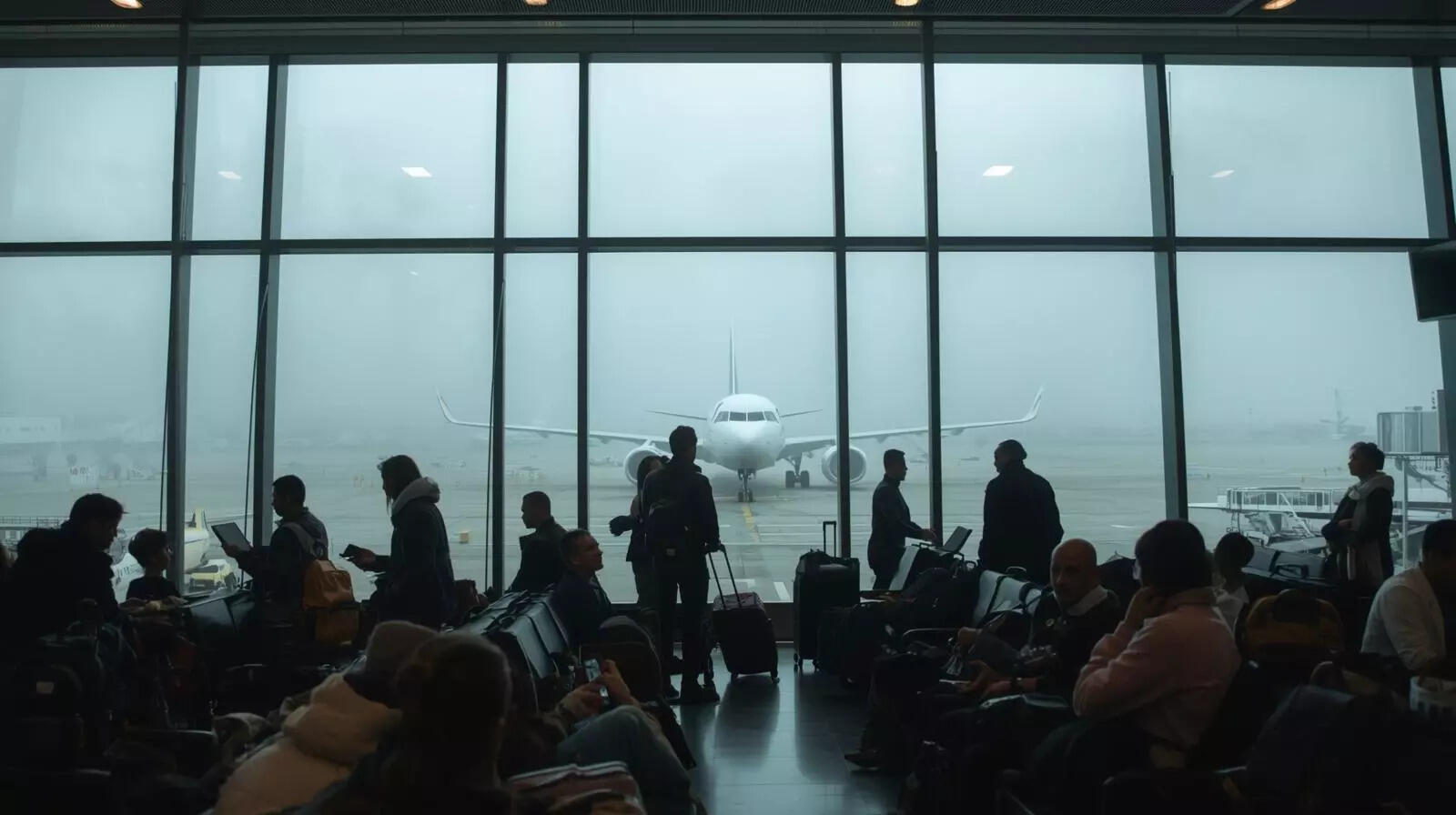
For passengers flying to, from, or through the Gulf region, the airspace closures are likely to result in delays, longer flight times, and possible cancellations. Flights that are leaving or landing in the affected countries may be diverted via other air routes, and this may increase flight times by several hours depending on the destination. Transit flights via Gulf airports may also be affected by longer layovers or last-minute flight changes. Some airlines have already begun cancelling selected services or adjusting flight timings as they reassess available routes.
Canva
Travellers with itineraries involving Qatar, Bahrain, or Kuwait may see the most significant disruptions, particularly if their flights normally rely on the closed air corridors.
Steps passengers should take
Airlines are advising passengers to remain alert to rapidly changing flight schedules as the situation continues to evolve. Travellers are encouraged to check their flight status regularly through airline websites or mobile apps. Because routes and timings are being revised frequently, updates may occur at short notice. Passengers whose flights are cancelled may be offered rebooking options or alternative routes, though availability could be limited due to the reduced number of flights. Airlines are also recommending that travellers contact customer support or their travel agents if they need assistance with itinerary changes. Those travelling through major hubs such as Dubai or Riyadh should also be prepared for longer waiting times at airports as airlines manage rerouted flights and revised schedules.