
From constipation to feeling ‘full’ too soon: Top doctor warns against 6 colon cancer red flags |
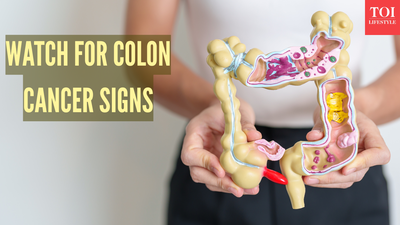
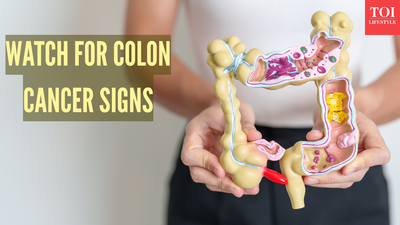
Early warning signs of colon cancer are often overlooked or mistaken for minor diseases and everyday gastro issues. But many of these symptoms appear in young and active individuals who seem healthy, making them easy to dismiss. Dr. Vivian Asamoah, who has worked with hundreds of colon cancer patients over the span of 15 years, emphasises key symptoms everyone should know. Recognising these early signs and acting promptly can save lives and help prevent serious complications.
Constipation and diarrhea

Constipation or diarrhea that just feels off is the first red flag Dr. Asamoah points to. Obviously, everyone’s digestion changes from time to time, but when bowel habits shift persistently or feel unusual, it’s time to listen to our body. This may indicate that the colon is dealing with something bigger than a stomach virus or a dietary change. If the constipation or diarrhea persists without an evident cause, speak with your doctor.
Another warning sign to watch out for is pencil-thin stool or one that is unusually narrow and does not seem to return to its original shape. This can happen if there is narrowing in the colon caused by a tumour or growth. This change is often gradual and easy to overlook, but it is important to not ignore it. If your stools are consistently thin and ribbon like, it is a signal that something may be wrong and should be checked by a doctor as soon as possible.

Unexplained weight loss is another warning sign to pay close attention to. Losing weight without even trying seems like a great thing, but if there is no apparent reason, like any changes in diet or exercise, it can be a big red flag. This could purposely happen if the cancer cells are affecting the metabolism or appetite or the body may be dealing with inflammation or an infection early on. Even if you feel fine otherwise, sudden or unplanned weight loss should always be checked by a doctor.
Fatigue
Dr. Asamoah further emphasizes that fatigue, despite a good sleep record, is one symptom commonly overlooked. A different level of tiredness includes feeling drained no matter how much rest you get, which is not a kind of normal weariness. This may indicate anemia due to slow bleeding inside the colon or the body’s reaction and response to chronic illness. Fatigue that does not improve with sleep deserves a detailed medical examination.
Blood in stool
Other overt symptoms you should not overlook include blood in the toilet or on your toilet paper. Whereas bleeding can also be caused by hemorrhoids and minor injuries, bleeding during elimination is always a serious matter that requires attention. Blood can vary in color from bright red to dark; sometimes it may make the stool appear tarry. Early colon cancer is often accompanied by bleeding even before other symptoms manifest, so an early evaluation will enable an early diagnosis.
Feeling full

Finally, there is the feeling of your bowels not being completely emptied. The feeling of incomplete evacuation, or tenesmus, can be painful and ongoing. It can indicate that something is irritating or perhaps blocking the colon, such as a tumor or inflammation. If this feeling persists for more than a week or two, you should seek medical advice.
Dr. Asamoah’s insight:
Dr. Asamoah emphasizes that these symptoms do not necessarily point to cancer, but they are signs that one should have checked and probably screened for. She recommends a colonoscopy if you are 45 or older, even without symptoms, because this test is an effective way to detect cancer early and help prevent the disease by removing precancerous polyps.It is important for individuals below the age of 45 showing these signs not to disregard them because they may consider themselves younger or very healthy. Younger adults are increasingly being diagnosed with colon cancer, making awareness and early medical consultation quite vital. If you are experiencing any of the above mentioned symptoms, and if they are regular, it is best to consult a medical health professional for proper diagnosis.