Liver failure symptoms that can appear at night according to research.jpg

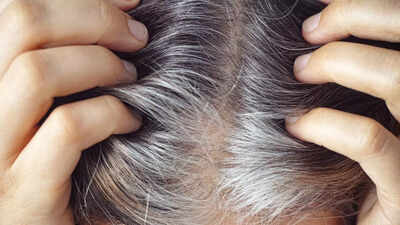
Liver failure symptoms that can appear at night, according to research |

Liver failure can affect the body in many ways, and some of its symptoms become more noticeable at night. According to a study titled “Sleep disturbances in patients with liver cirrhosis: prevalence, impact, and management challenges”, people with liver disease often struggle with falling asleep, staying asleep, or getting restful sleep. They may also feel…

Read More
Credits canva.jpg

Constipation Causes: What causes constipation? 5 underlying reasons that can be tackled easily |

Constipation doesn’t just affect the body but the overall mood. Globally, constipation affects approximately 9% to 20% of the population. Although, it is fortunate that constipation, in most cases, is caused by lifestyle factors and eating habits and can be relieved without the help of medication. It is often a sign that the body needs…

Read More
Eating dry fruits during pregnancy can lower childrens allergy risk after birth research.jpg

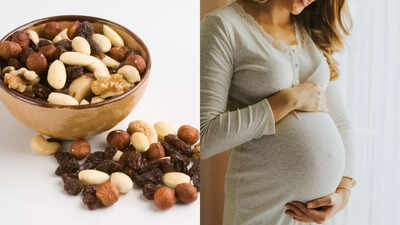
Eating dry fruits during pregnancy can lower children’s allergy risk after birth: Research |

What an expecting mother eats during pregnancy does more than provide energy and nourishment for her body—it can leave a lasting impact on her baby’s long-term health. Nutrition has always been central to a healthy pregnancy, but new research highlights that certain food choices may play a preventive role against childhood diseases. A peer-reviewed study…

Read More
124002755.jpg

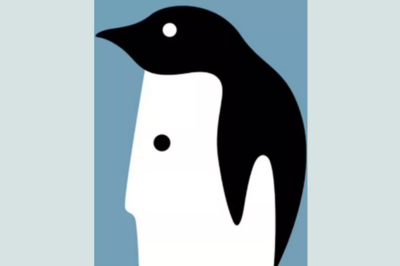
Personality test: What you see first reveals if you are a gullible or sharp-minded person

This optical illusion reveals insights into your cognitive style. Spotting the bird first indicates sharp-mindedness, intuition, and emotional intelligence. Conversely, perceiving the man suggests a grounded, logical approach, creativity, and a resistance to gullibility. Both perceptions highlight distinct strengths in problem-solving and decision-making. What did you spot first, a bird or a man? Our brains…

Read More