Homeless at 15, how this poor girl made it to Harvard and beyond and why her story is important
When Liz Murray was a teenager in the Bronx, the future did not look like a résumé line, a memoir title or a Hollywood movie. It looked like subway stations, hallway homework and the kind of hunger that makes a child notice every smell from every corner store. Born in 1980 to parents struggling with addiction, Murray spent part of her adolescence homeless after her mother died of AIDS and her father entered a shelter. The story that later made her famous began in the rawest place imaginable: not with opportunity, but with survival. Scroll down to read more.
A childhood shaped by absence
Murray has described growing up in a home where drugs, instability and scarcity were part of daily life. Reliable accounts say she began working at a young age just to help buy food, and by 15 she was homeless. That background matters because her story is not a fairy tale about talent floating above hardship; it is about a child learning to keep going when the floor beneath her kept disappearing. Those early years gave her story its emotional force: she was not rescued by luck so much as pushed into becoming fiercely resourceful.
The decision that changed everything

The pivot in Murray’s life came after her mother’s death in 1996. She returned to school with a determination that now sounds almost impossible. She attended Humanities Preparatory Academy in Manhattan, finished four years of high school in just two, and graduated at the top of her class, according to contemporary and later biographical accounts. The New York Times scholarship she won for needy students helped open the door to Harvard, where she enrolled in 2000. What makes the tale compelling is not just that she got in, but that she arrived there through a route so unlikely it still reads like a challenge to the idea of who gets to belong at an Ivy League university.
Harvard, but not as a finish line
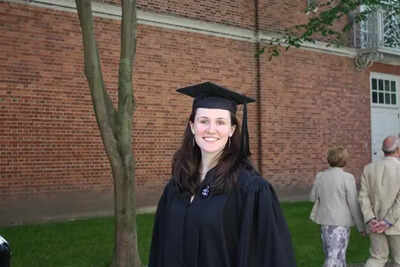
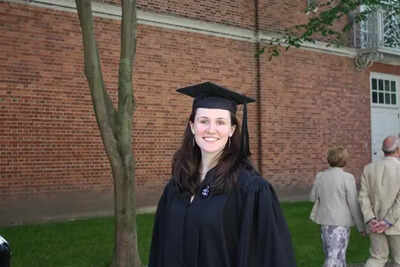
For Murray, Harvard was never a magic ending. It was a demanding, complicated next chapter. She eventually graduated in 2009, a milestone that is easy to flatten into a headline but deserves more respect than that. It took years, detours and the kind of persistence that does not photograph well. By then, her name was already attached to a wider public story: the 2003 Lifetime film Homeless to Harvard: The Liz Murray Story, which helped turn her life into a national point of reference for resilience. Yet the film, the speeches and the media attention all point back to the same underlying truth: Murray’s achievement was built over years, not in one inspirational burst.
Why her story still travels
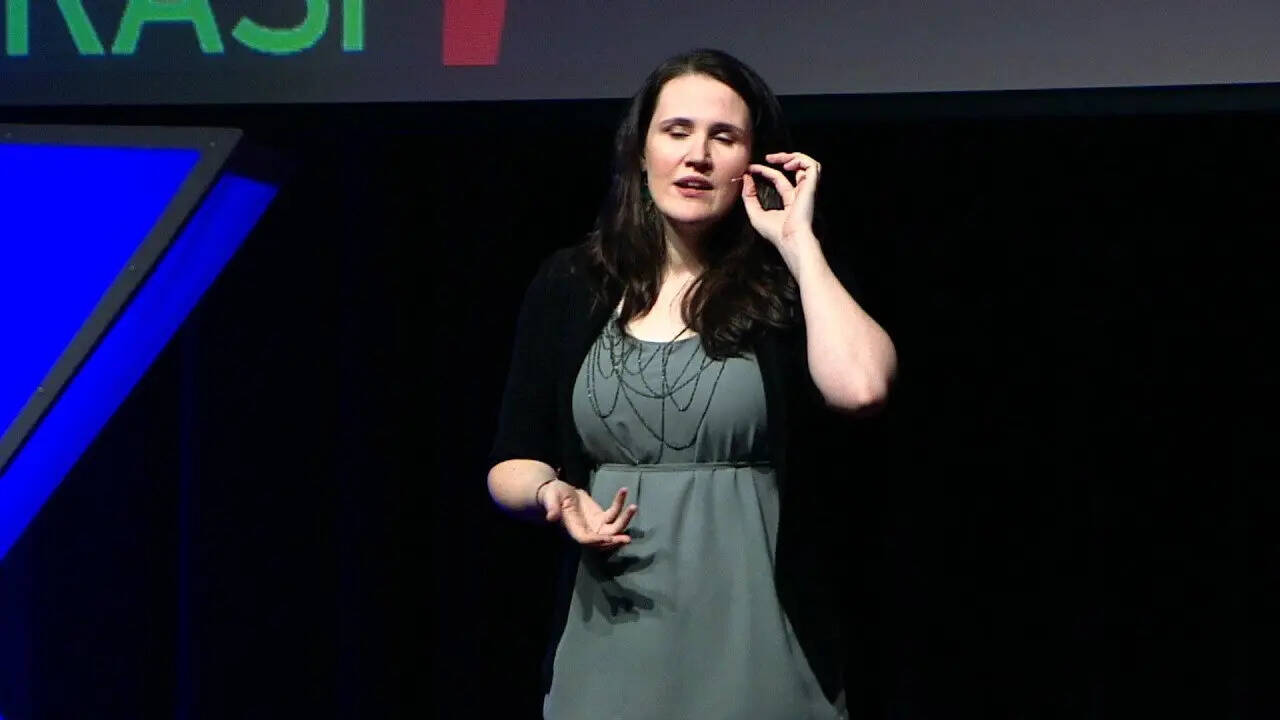
Murray’s memoir, Breaking Night: A Memoir of Forgiveness, Survival, and My Journey from Homeless to Harvard, arrived in 2010 and became a bestseller. That title is doing a lot of work. It captures both the darkness of her early life and the sharpness of her mindset: a refusal to wait for permission from circumstances. Her story travels so widely because it speaks to something deeply American and deeply personal: the belief that one person can claw a path out of a broken beginning, even if the climb is punishing and uneven. But the more lasting reason it resonates is that it never asks readers to confuse inspiration with ease. Murray’s life was hard. Her success was harder.Today, Murray is known not only as the woman who went from homeless to Harvard but also as a speaker and co-founder of The Arthur Project, a youth mentoring organization. That matters because it shows the arc of her life did not stop at personal victory. She turned the language of endurance into a public mission, focusing on young people whose lives are shaped by instability, much as hers was. In that sense, her story is not just about escape. It is about translation: taking pain, making meaning from it, and then using that meaning to build something useful for others. That may be why her journey still feels fresh years later. It is not merely a before-and-after tale. It is a story about what happens when a person refuses to let the worst chapter define the whole book.
How determination can rewrite even the hardest beginnings
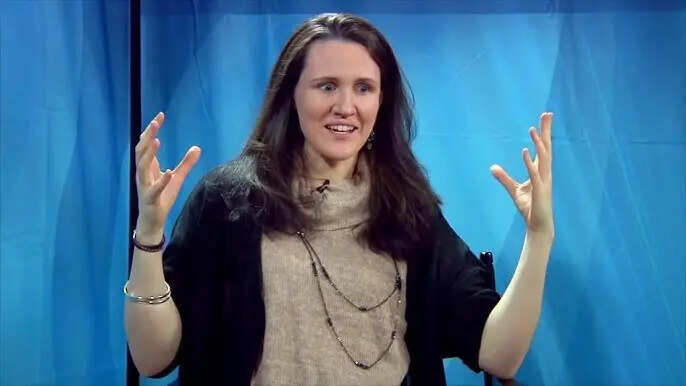
Her journey leaves behind a quiet but powerful reminder. Circumstances can shape a beginning, but they do not have to dictate the ending. Murray’s life shows how persistence, education and a refusal to surrender to despair can gradually redraw the boundaries of what feels possible. The transformation did not happen overnight, and it did not arrive without setbacks. Yet step by step, she rebuilt a life that once seemed unimaginable. In the end, her story suggests something both simple and difficult: even when the starting point is harsh, determination can still create a path forward.