
Kidney Disease: Scientists find promising new drug against rare, life-threatening kidney disease
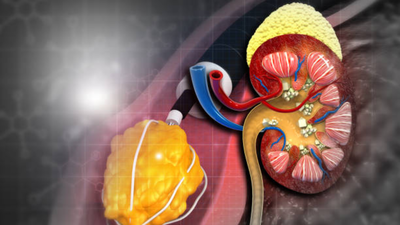
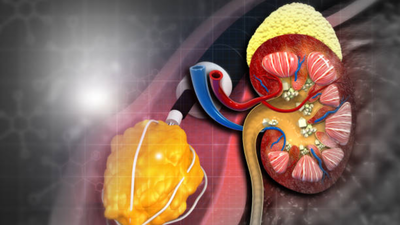
Researchers at the Buck Institute have found a promising oral drug called N-propargylglycine (N-PPG) that fully prevents death in mice with a rare, deadly kidney disease called Primary Hyperoxaluria Type 2 (PH2). The findings of the study have been published in Kidney International journal.
What is PH2?
PH2 is a genetic disorder where the body makes too much oxalate, leading to calcium oxalate crystals that form kidney stones, damage kidneys, and cause failure in kids and young adults. As per MayoClinic, the symptoms are sharp pain in the back, side, lower stomach area or groin; urine that looks pink, red or brown due to blood; frequent urge to pee; pain when peeing; not being able to urinate or peeing only a small amount and chills, fever, upset stomach or vomiting. Progression to kidney failure has been reported in up to 25% to 35% of patients in several large cohorts. Patients usually undergo transplantation.
How N-PPG Works
The drug blocks an enzyme (HYPDH/PRODH2) in the liver and kidneys that starts oxalate overproduction from breaking down hydroxyproline (from collagen). It also triggers “mitohormesis,” a mild stress that strengthens mitochondria, making kidneys tougher.Researchers tested a new drug (called N-PPG) on mice that had this disease. And the results were quite striking.To understand that, think of the body like a factory.Normally, the body breaks down certain proteins (like collagen) into smaller parts. During this process, a chemical called glyoxylate is formed. In healthy people, this is safely processed.But in people with PH2:
- This process goes wrong
- Glyoxylate builds up
- And gets converted into too much oxalate, leading to kidney stones
The drug completely stopped kidney stones from forming
It protected the kidneys from damageAnd most importantly, it helped the mice survive normally, even though the disease is usually fatal.“Oral administration of N-PPG, a well-tolerated small-molecule inhibitor of Hypdh/Prodh2, significantly reduces hyperoxaluria and weight loss in Grhpr KO mice within three weeks, while preventing CaOx stone formation and kidney tubular damage,” the researchers have said.In short trials, treated mice had way less oxalate in urine, fewer stones, less kidney damage, and better function. In a 6-month survival test, untreated PH2 mice died by 15 weeks from failure; N-PPG-treated ones lived fully 24 weeks, matching healthy mice in survival, weight, and kidneys.
Why is this important?
Right now, people with PH2 have very limited options. In severe cases, they may need kidney or liver transplants just to survive.That’s why this discovery matters:It offers hope for a real treatment, not just symptom controlIt could reduce the need for risky surgeriesAnd it may improve quality of life for patientsEven though the disease is rare, many cases go undiagnosed.
Could this help more people?
Possibly, yes.Researchers think this drug might also help with more common kidney stone problems, not just this rare disease. It may even have benefits for other conditions because of how it supports cell health and energy systems. “Our findings establish N-PPG as a promising therapeutic candidate for the long-term prevention of CaOx kidney stone formation and kidney failure complications in PH2,” the researchers have said.
But there’s a catch
So far, this study has only been tested in mice. That means:It still needs to be tested in humansMore studies are needed to confirm safety and effectiveness