Meg Avon: Meet Meg Avon: The woman who ‘married’ a river to protect it and celebrate her anniversary |
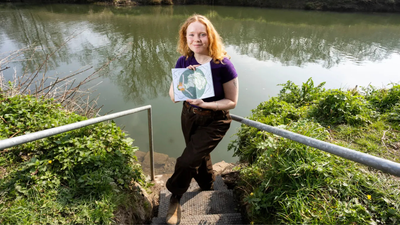
Meg Avon, a Bristol-based environmental activist, marked her third wedding anniversary not with a person, but with the River Avon. The ceremony, first held in June 2023, was never meant to be legally binding. Instead, it was a striking act of protest against pollution and ecological neglect. Three years on, Avon continues to swim in the river regularly, describing her commitment in deeply personal terms. “I am still finding time to swim… even in winter,” she said, adding, “I am committed.” What may appear unusual at first glance is, in reality, part of a growing global movement that is rethinking how humans relate to nature.
From ‘marriage’ to movement: How Meg Avon turned symbolism into protest
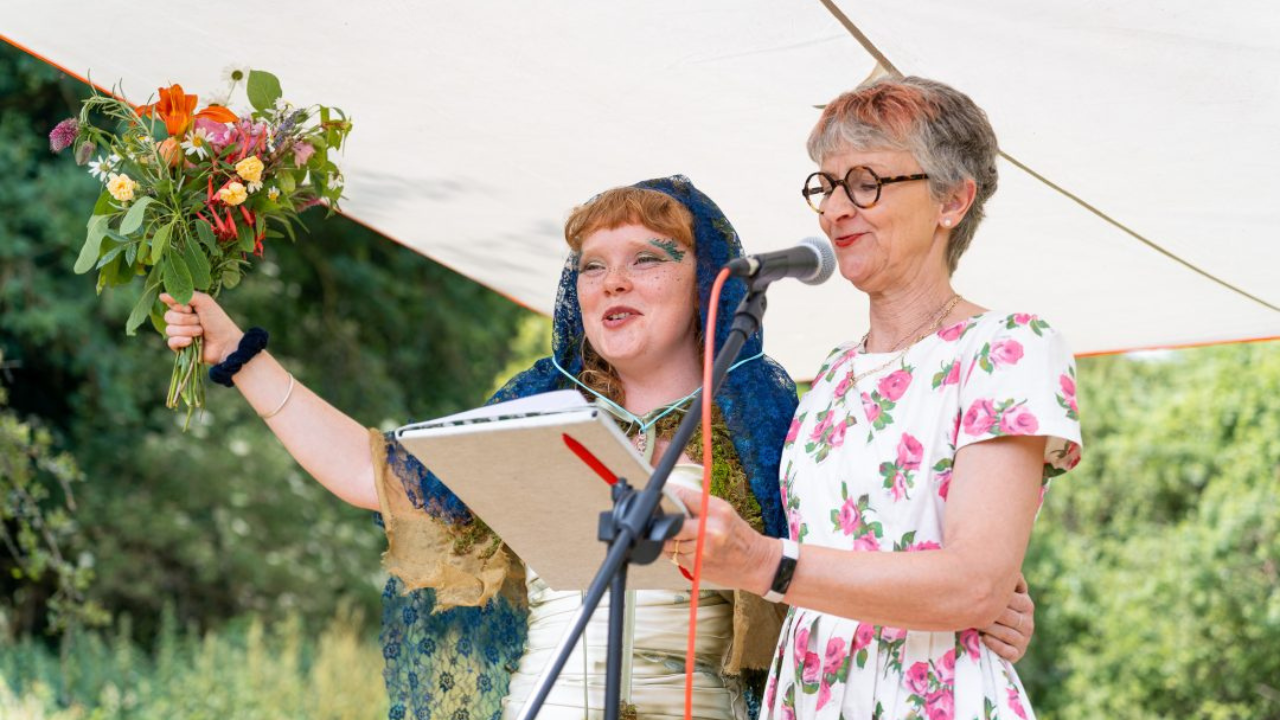
The “wedding” itself was not an isolated spectacle but part of a wider environmental campaign. Organised alongside activists and community members, the ceremony symbolised a deeper idea, that rivers are not objects to be used, but living systems to be protected.At the event, participants gathered not just to witness a ritual, but to highlight the deteriorating state of the river. As one campaigner put it during the ceremony, “We need our leaders to recognise our right to access clean water.”For Avon, the symbolism of marriage serves a specific purpose. “We all understand marriage because it’s about love and law,” she explained, emphasising how the concept helps translate complex environmental issues into something emotionally and legally relatable.The activism is rooted in a serious environmental problem. The River Avon is among the many waterways in England affected by sewage discharge, agricultural runoff, and ageing infrastructure.Local campaigners and swimmers have documented the impact firsthand. Some have reported falling ill after entering polluted water, highlighting the real risks associated with declining water quality.Groups like Conham Bathers have been testing water quality and pushing for designated bathing status, which would legally require regular monitoring and pollution control. However, poor water quality has repeatedly blocked these efforts.Despite these challenges, Avon continues to swim regularly, describing the experience as both personal and political, a way to remain connected while continuing to push for change.
The rise of ‘river rights’ and legal personhood
At the heart of Avon’s campaign lies a broader legal ambition, granting rivers personhood.This idea, once considered radical, is gaining traction worldwide. Rivers such as the Whanganui River in New Zealand have already been granted legal rights, allowing them to be represented in court and protected under law.The River Avon campaign is attempting something similar in the UK through a proposed cross-council charter. If successful, it would mark a significant shift in environmental law, treating rivers not as property but as entities with rights.As Avon has argued, the law currently treats rivers as objects, something she hopes to change through sustained advocacy and public engagement.Avon is not alone. Her actions are part of a wider wave of environmental activism that blends symbolism, storytelling, and legal reform.Campaigns across the UK have adopted similar tactics, using rituals and public ceremonies to reframe environmental responsibility. These efforts aim to create an emotional connection between people and nature, making environmental issues more immediate and relatable.Community-led initiatives, documentaries, and grassroots campaigns have all contributed to raising awareness, turning local concerns into national conversations.
More than symbolism: A fight for survival
Despite the theatrical nature of the “marriage,” the underlying message is urgent. Environmental experts and activists alike warn that rivers across the UK are under increasing stress, with pollution levels rising and ecosystems declining.Sewage overflows, originally designed for extreme conditions, have become more frequent due to infrastructure challenges. The consequences are visible, affecting wildlife, water quality, and public health.For communities that rely on these rivers, the issue is not abstract. It is immediate and deeply personal.
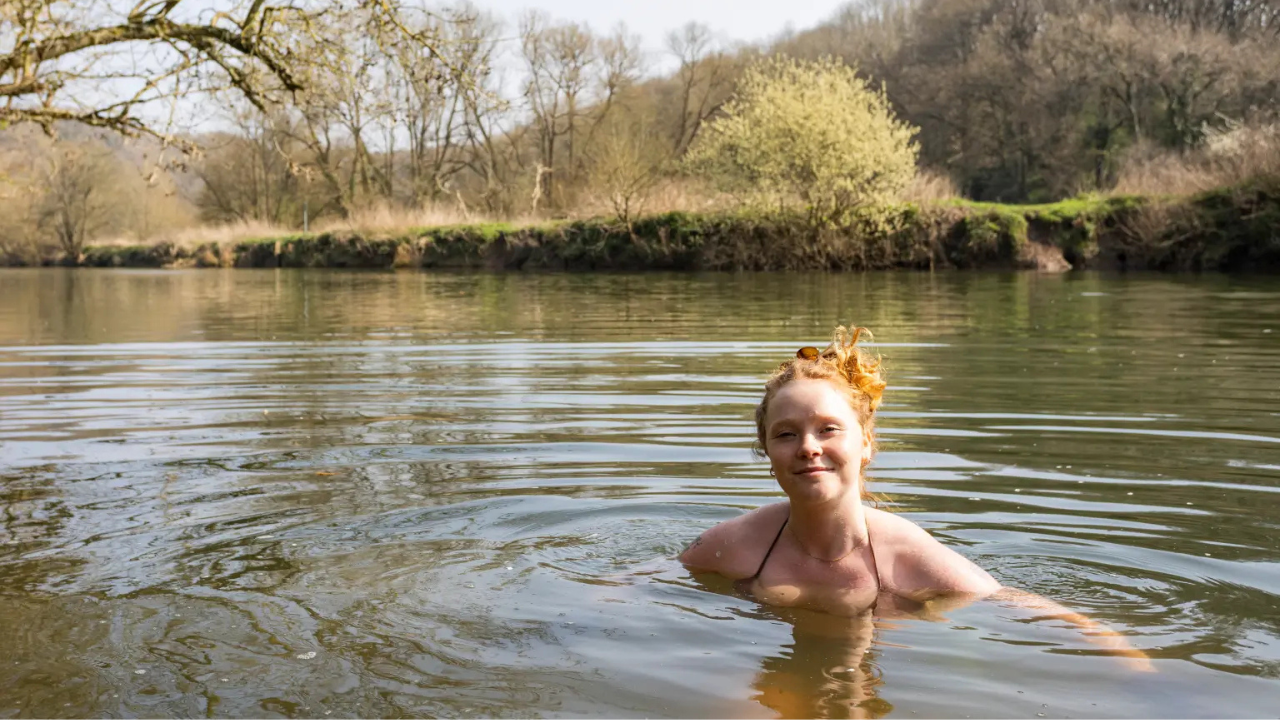
Avon’s anniversary is not just a personal milestone but a continuation of her campaign. She has been engaging with councillors and policymakers in an effort to push forward legal recognition of river rights.Her long-term goal is to see the River Avon recognised not as an object, but as an entity with standing and protection under the law.Even without legal recognition, the symbolism has already made an impact.
Where activism meets belief
At its core, this story is not about an unconventional marriage. It is about a changing worldview.For centuries, nature has been treated as a resource to be managed. Movements like Avon’s are attempting to reverse that logic, arguing that rivers, ecosystems, and landscapes are not possessions, but participants in a shared existence.Her “marriage” may not hold legal weight, but it carries symbolic force.Because when a society begins to speak of rivers in terms of rights, relationships, and responsibility, it signals something deeper.Not just a protest.But the beginning of a different way of seeing the world.