Nvidia CEO Jensen Huang woos TSMC with the slogan: No TSMC, no …
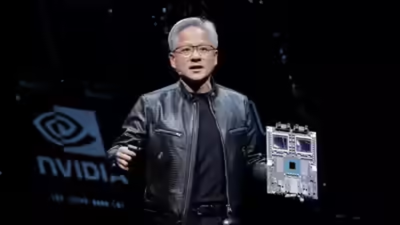
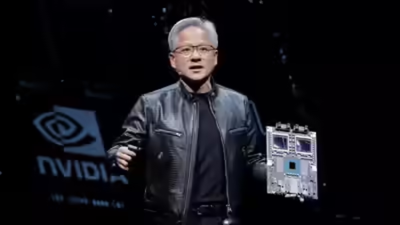
Nvidia CEO Jensen Huang has once again shown confidence in chipset maker TSMC. During a recent Taiwan visit, Huang reaffirmed his company’s deep reliance on Taiwan Semiconductor Manufacturing Co. (TSMC) by declaring the foundry’s role as indispensable to Nvidia’s success. Over a hotspot dinner with TSMC CEO CC Wei in Taipei, Huang said the now-viral slogan: ‘No TSMC, no Nvidia.’ This is Huang’s fourth visit to Taiwan this year and it comes amid a global AI boom and intensifying competition for advanced semiconductor capacity. Huang’s meeting with Wei was followed by a recent engagements with South Korean tech leaders, including Samsung’s Lee Jae-yong and Hyundai’s Euisun Chun. Videos of Huang and Wei’s dinner quickly circulated on social media, symbolizing the blend of business diplomacy and personal rapport between the two tech giants.
Nvidia’s growing appetite for chips
Nvidia CEO Jensen Huang also stressed on the fact that Nvidia’s AI chip demand is increasing ‘month by month’, prompting him to request for additional wafer supply from TSMC. When asked about the volume of chips requested, CC Wei responded with a smile: “That’s confidential.” Wei also revealed that TSMC has set new records for revenue and profit this year and he also expressed confidence that this trend will continue annually.
Geopolitics and the Blackwell series
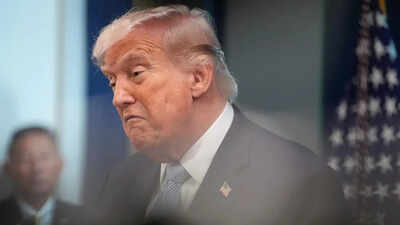
Huang’s praise for TSMC comes amid U.S. export restrictions on Nvidia’s advanced Blackwell AI chips, announced by President Donald Trump. The move, aimed at safeguarding national security, limits overseas sales of Nvidia’s most powerful processors. Despite the restrictions, the Blackwell series remains central to Nvidia’s strategy, with analysts projecting $5–6 billion in revenue next quarter from the chips alone.
Huang says ‘no discussion’ to sell Blackwell chips to China
Huang also said that there were “no active discussions” about selling Blackwell chips to China. The Trump administration has banned sales of Nvidia’s flagship artificial-intelligence chip to China, saying they could aid the Chinese military and the country’s AI industry.Last week, Huang challenged US export controls on advanced semiconductors, arguing that continued technology collaboration and access to the Chinese market are ultimately in America’s best interest. Speaking to reporters, Huang described China as a “singular, vital, important, dynamic market, and nobody can replace that.”“It’s in the best interest of America to serve that China market. It’s in the best interest of China to have the American technology company bring … technology to the China market … It’s in the best interest of both countries, and I hope that policymakers will ultimately come to that conclusion,” Huang then said.