Oil price today (March 11, 2026): Crude falls to $88 a barrel after IEA proposes largest oil reserve release
Oil prices fell to around $88 per barrel after a report said that the International Energy Agency (IEA) is considering a record release of emergency oil reserves to stabilise global markets amid the escalating conflict in the Middle East, according to Bloomberg.According to a report by the Wall Street Journal, the proposed release could exceed 182 million barrels of oil. This was the amount that IEA member countries released in February 2022 after Russia launched its full-scale war on Ukraine. The proposal was discussed during an emergency meeting of energy officials from the organisation’s 32 member countries on Tuesday. Officials familiar with the matter stated that the countries are expected to decide on the proposal on Wednesday.The report resulted in triggering volatility in global oil markets. Brent crude slipped after earlier rising by as much as 3.7%, while US benchmark West Texas Intermediate (WTI) fell near $84 per barrel. Prices have been moving sharply this week as traders respond to developments related to the ongoing conflict and possible disruptions to global supply.
Oil prices surged above $100 amid Middle East conflict
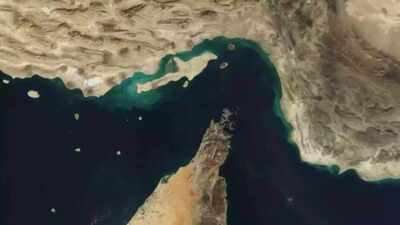
Oil prices had surged earlier this week, briefly crossing $100 per barrel for the first time in more than three and a half years. The spike came after the disruptions caused by the near-total closure of the Strait of Hormuz. The narrow waterway lies between the Persian Gulf and the Gulf of Oman, connecting the region’s oil exports to global markets. Brent crude rose above $101 per barrel soon after markets opened, while WTI crude climbed to around $107 per barrel.A major concern for markets is the Strait of Hormuz. It is a critical shipping route for the global oil trade. Around one-fifth of the world’s oil supply passes through the Strait every day. Due to the escalating Middle East conflict involving threats of missile and drone attacks, the tanker traffic has been disrupted on the waterway.US President Donald Trump had called it a “very small price to pay for world peace”.In a post on Truth Social he wrote, “Short term oil prices, which will drop rapidly when the destruction of the Iran nuclear threat is over, is a very small price to pay for USA, and World, Safety and Peace. ONLY FOOLS WOULD THINK DIFFERENTLY!”Major oil producers in the Gulf region, including Saudi Arabia, Iraq, Kuwait and the United Arab Emirates have also cut production as export shipments slowed. Strikes on energy infrastructure in the region have further increased concerns about tightening global supply.
IEA reserve release aims to stabilise markets
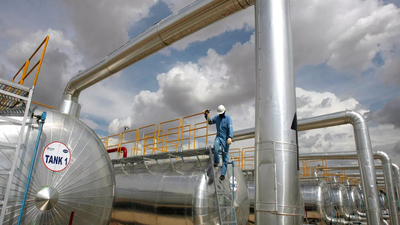
The proposed IEA reserve release is aimed at easing supply concerns and stabilising markets during the ongoing crisis. Officials said that the plan would be adopted if none of the member countries objected, although even if a single nation protests then the proposal could be delayed.IEA Executive Director Fatih Birol said that member countries collectively hold about 1.2 billion barrels of public oil stocks, along with another 600 million barrels in mandatory commercial reserves. According to him, these combined reserves could cover roughly 124 days of lost supply from the Gulf region.Analysts said that such a release could temporarily increase supply and help reduce panic in the market. However, they also warn that the move signals the seriousness of the disruption caused by the ongoing conflict.