OpenAI is reportedly seeing exit of senior-level employees after CEO Sam Altman makes it compulsory to use…
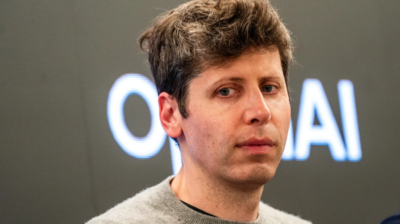
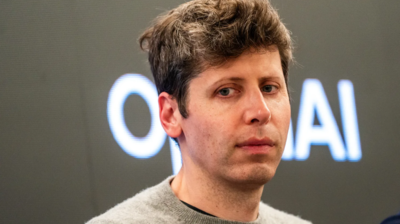
OpenAI is bleeding senior talent as CEO Sam Altman forces the company to funnel resources into ChatGPT at the expense of long-term research, the Financial Times reported. The $500 billion AI startup has been redirecting computing power and staff away from experimental projects towards its flagship chatbot, triggering a wave of high-profile departures.Jerry Tworek, vice-president of research who spent seven years at OpenAI, left in January after his appeals for more resources were repeatedly shot down. Tworek had been leading efforts on AI “reasoning” and wanted to pursue continuous learning—the ability of models to absorb new information over time without forgetting what they already know. According to people close to him, his requests culminated in a stand-off with chief scientist Jakub Pachocki, who believed OpenAI’s existing architecture around large language models was more promising.
CEO Sam Altman’s December ‘code red’ memo set the tone for 2026
The departures follow Altman’s internal “code red” declaration in December, when he told staff the company needed to dramatically improve ChatGPT’s speed, personalisation, and reliability. That memo—which shelved work on advertising, AI shopping agents, and a personal assistant called Pulse—landed days after Google‘s Gemini 3 outperformed OpenAI on key benchmarks and sent Alphabet’s stock soaring.aAt OpenAI, researchers must apply to top executives for computing “credits” to get projects off the ground. According to 10 current and former employees who spoke to FT, those working outside large language models have increasingly found their requests denied outright or granted in amounts too small to validate their research.
Sora and DALL-E teams reportedly feel like ‘second-class citizens’
Teams behind video generator Sora and image tool DALL-E have felt neglected as their work was deemed less central to ChatGPT, people familiar with the matter said. One former senior employee told FT they “always felt like a second-class citizen to the main bets.” Other projects unrelated to language models have been quietly wound down over the past year.Andrea Vallone, who led model policy research, joined rival Anthropic last month. Two people familiar with her exit said she had been handed an “impossible” mission: protecting the mental health of users becoming emotionally attached to ChatGPT.
The competitive heat is real, and it’s coming from every direction
OpenAI’s pivot reflects genuine pressure. Google’s Gemini now has 650 million monthly users, up from 450 million in July. Anthropic leads enterprise adoption at 40% market share versus OpenAI’s 27%, according to Menlo Ventures. Altman reportedly treats competitive threats like a “pandemic”—something to be crushed before rivals get oxygen.Chief research officer Mark Chen rejected the narrative, telling FT that foundational research “remains central” and still accounts for most of the company’s compute. But for researchers who joined to push the boundaries of AI, being told to optimise a chatbot isn’t quite what they signed up for.