
Scientists turn plastic waste into vinegar using only sunlight at the University of Waterloo |
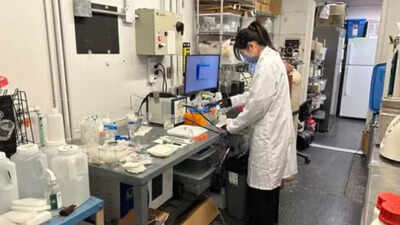
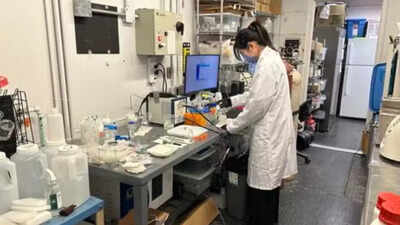
In this world, plastic is the most stubborn waste. Normally, the plastic waste gets disposed of via municipal collection, which leads to open-pit burning or dumping in local waterways. However, no one must have imagined that plastic waste can even be turned into vinegar (acetic acid). Remarkably, this is now a reality, as researchers have found a way to turn some of that waste into acetic acid, the main ingredient of vinegar. Researchers at the University of Waterloo in Canada have made this possible with a light-powered system that breaks plastic into very small particles and forms the chemical. This trial is an effective way to control the environment from the waste of plastic. “Our goal was to solve the plastic pollution challenge by converting microplastic waste into high-value products using sunlight,” said Professor Yimin Wu, who led the research at the University of Waterloo.
What’s the secret of ’Fungi’ in the plastic waste into vinegar experiment
The Research team led by Professor Yimin Wu at the University of Waterloo was looking for a solution to break the plastic without involving extreme heat or toxic chemicals. The team aimed to execute this research with photocatalysis, using sunlight to trigger a chemical reaction that breaks down the plastic and converts it into acetic acid. The reaction takes place at room temperature with the help of real sunlight, used as the energy source in the plastic-to-vinegar experiment. While the sunlight came into contact, a chemical reaction was triggered, which led the plastic polymers to convert into vinegar (acetic acid). This process mimics the step-by-step breakdown of organic matter seen in certain types of fungi.
Breaking down the plastics of everyday life
According to the researchers’ journal article published in Advanced Energy Materials, they used four different kinds of plastic in this experiment and showed the world that acetic acid can be created from using common plastic waste that includes polyethene (PE), polyethene terephthalate (PET), polypropylene (PP) and polyvinyl chloride (PVC) and all of these plastics passed in producing acetic acid. It also remained significant with mixed plastic streams.
- PVC (Polyvinyl Chloride): This plastic is used in pipes and medical appliances, which produced the highest yield of 63.8 milligrams/hour per gram of catalyst.
- PE (Polyethylene): We see such plastic material in Shampoo bottles and plastic bags, which gives 12.7 milligrams/hour per gram of catalyst.
- PET & PP: Such plastics are used in food containers and water bottles, which yielded about 5.4 milligrams/hour per gram of catalyst. It is mentioned that this was produced with “high selectivity”.
The world produces several million tonnes of acetic acid, but it is all made by fossil fuels. The food industry terms acetic acid as a food preservative; it is a raw material for plastics and solvents. The traditional method of producing this acid is carbon-intensive, but this new method uses only sunlight and zero extra CO2 and turns the plastic waste into a high-demand commodity.As the whole world aims for a greener atmosphere for their tomorrow, this acetic acid experiment plays a growing role in the energy system. As this raw material is free of fossil fuels, the plastic becomes a renewable resource instead of choking the rivers and waterways.
How plastics can empower the economy
The production of acetic acid from the waste of plastic is nothing more than a wonder to the economy. Now, plastics can become the assets to the industry after the experiment of researchers at the University of Waterloo on plastic-to-vinegar. Roy Brouwer, the Executive Director of the Water Institute and a co-author of the study, specifically addressed the money side, saying: “Both from a business and societal perspective, the financial and economic benefits associated with this innovation seem promising.”Currently, the world produces over 17 million tonnes of acetic acid yearly, mainly for the food and pharmaceutical industries. Most of them are produced using natural gas or coal (fossil fuels). By using the sunlight as fuel, industries can save their expense which they incur in the fossil fuels market.