Sneezing, coughing, sniffles: How to protect your children from winter illness |
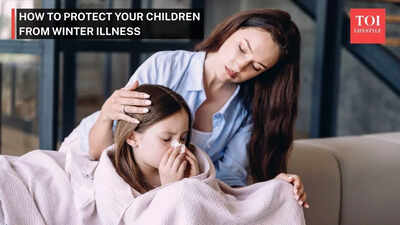
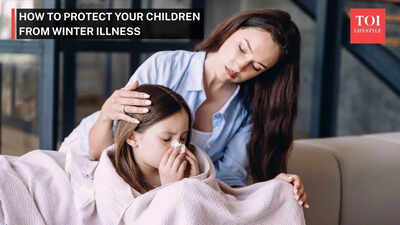
Winter is here, which means cold and flu season has officially arrived. For parents, this is the most challenging time of the year, as children can easily contract winter respiratory illnesses. The coughing, sneezing, wheezing, and sniffles echo in almost every home. But should you be taking your child to hospital for every sneeze and cold? Most importantly, how can you protect them from winter illnesses? Let’s look at what health experts have to say.
How to protect your little ones from winter sickness
Children are particularly susceptible to winter illnesses. During this season, they spend more time in close quarters at school and daycare, which increases the risk of infection. The dry indoor air at home adds to this, putting their immune systems at risk.
Practise handwashing: Prevention is your first line of defence. The single most effective weapon against winter germs remains good old-fashioned handwashing. In a video shared on Instagram, Dr Michael Smith, a consultant paediatrician and regional department head of Paediatrics at Fraser’s Health, stressed the importance of this practice. He advised parents to wash their hands after interacting with someone who has a cold. This also applies to children. The CDC confirms that handwashing with soap is one of the best ways to stay healthy. The agency recommends washing hands for at least 20 seconds. Limit the exposure of infants to the sick: If you have a baby under three months old, you should be extra vigilant. Young infants are particularly vulnerable to complications from common colds, so keep them away from people who are unwell. The paediatrician emphasised that parents should prevent infants from interacting with family members or others who are sick.
Not every winter cold needs a hospital run
Dr Smith also stated that not all colds require a hospital visit. “Symptoms like a cough, congestion, runny nose or mild fever aren’t usually emergencies,” the doctor said. “Most children can be treated at home with a cold or the flu. Keep your kids home and encourage them to rest and stay hydrated.”
How to take care of your sick child
If your child catches a cold, what should you do? Here are some effective tips suggested by Dr Smith. These include: Hydration: Remember that the most critical aspect of home care is keeping your child well hydrated. “The most important thing is to keep them well hydrated so that they’re passing urine frequently,” the doctor said. Give them water, warm broth, herbal teas, and fluids throughout the day. The NHS also recommends drinking lots of fluid, such as water, to avoid dehydration during a common cold. Saline nasal sprays: Saline nasal sprays can help with a congested nose. “If a young child has a very blocked nose, you can use a saline nasal spray. A pharmacist can help you with over-the-counter remedies for colds,” the doctor said.
When to visit the doctor
While most winter illnesses run their course within a week, you should not ignore the red flags. Not all colds can be treated at home; some require professional assistance. According to the paediatrician, the following signs warrant a hospital visit. Persistent or worsening symptoms: If a fever lasts more than three days, or if your child seems to be getting worse rather than better, it’s time to call your healthcare provider. Dehydration: If your child hasn’t urinated in 12 hours, it is important to contact your GP. Breathing difficulties: Rapid breathing, wheezing, chest retractions, or struggling to catch their breath also require immediate medical attention. Winter illness season may feel overwhelming; however, these simple steps can help you to keep disease at bay. Stay calm, pay close attention to your child, and don’t hesitate to reach out for support when you need it.Note: The information provided in this article is for educational purposes only and is not intended as medical advice. Always consult a qualified healthcare professional before starting any new medication or treatment, or before changing your diet or supplement regimen.