
Stroke: What is ‘fast’ formula and why is it important for stroke detection? |
Every year on 29 October, voices in India and around the world come together for World Stroke Day to raise awareness about a condition that strikes silently. It’s easy to think a stroke happens only to others, older people, far away, yet in India, the story is changing. Here is a guide to what a stroke is, why it matters right now, and the simple “FAST” formula that can make a life-saving difference.
What is a stroke?
A stroke happens when blood flow to part of the brain is interrupted, either by a clot blocking a vessel (ischemic) or by a vessel bursting (haemorrhagic). Without blood, brain cells begin to die, and damage follows.
In India, the burden of stroke is rising. Study published in ICMR suggest the incidence of stroke ranges between about 105 and 152 cases per 100,000 people each year. One review from The Lancet reported that a 51 per cent increase in prevalence in 1990 to 2021. What makes this especially relevant for India? Many middle-aged adults face rising rates of diabetes, high blood pressure, and sedentary lifestyles. When a stroke hits early or unexpectedly, the human impact is heavy: on work, on family, on dreams.
Why World Stroke Day matters?
World Stroke Day acts as a vital reminder: a stroke is not some far-off problem. For India, where incidence and disability from stroke are rising, awareness matters more than ever. On this day, medical professionals focus on:
- Recognising stroke early, when treatment can still do a lot.
- Encouraging people to take risk factors seriously: blood pressure, sugar levels, smoking, and inactivity.
- Breaking the myth that strokes only happen to “old” people. In fact, younger people in India are also affected.
Thinking about one’s own life, one’s parents, a friend’s sibling – that personal framing is powerful. When the message feels close to home, people act faster.
The “FAST” formula
To spot a stroke early one of the most trusted tools is the acronym FAST:
- Face: Sudden drooping or uneven smile.
- Arm: Weakness or inability to raise one arm.
- Speech: Slurred speech, trouble finding words.
- Time: If any of these happen, time is critical.
Why FAST? Research shows people remember the shorter FAST version better than longer ones.
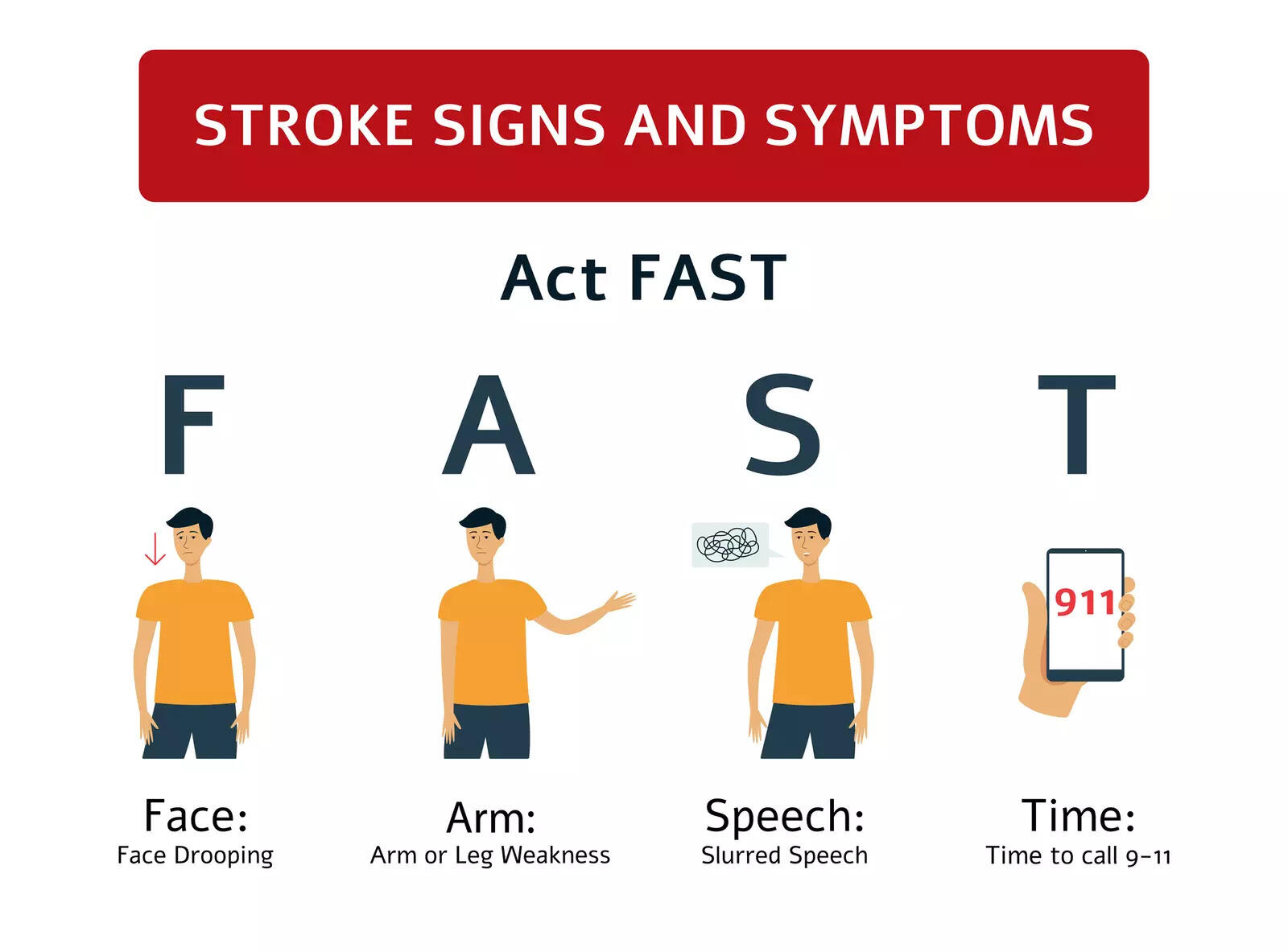
Image credit: iStock
In an Indian context, where emergency response may vary by region and access to specialist care can differ, the sooner a stroke is suspected and acted upon, the better the chances of reducing lasting injury.
Why FAST is more than a mnemonic
Let’s bring FAST into a personal frame. Imagine a father in a Delhi suburb who smiles with one side of his face lagging, or a neighbour in Bengaluru who tries to raise a teacup and one arm seems ‘lazy’. Recognising these moments is the turning point.FAST isn’t just for health workers: it’s for anyone who might stand beside someone in crisis. That means children, siblings, neighbours. The power lies in recognising: “That looks odd, something’s off” and trusting the instinct.Also, “Time” in FAST isn’t a vague term. In stroke care, every minute counts. The phrase “Time is brain” is used to stress how every lost minute means more brain cells dying. Sharing on this topic, Dr Madhukar Bhardwaj, Director & HOD – Neurology, Aakash Healthcare, said, “Time is brain when it comes to stroke. The four-and-a-half-hour post-symptom window is referred to as the golden window. At this stage, immediate medical treatment, for example, blood clotting drugs or interventional reperfusion, can reintroduce the blood supply to the brain and reduce damage in the long term. “ He added, “When this window is closed, the probability of full recovery reduces drastically. As a matter of fact, almost two million brain cells perish every minute when a stroke is not treated. This is why it is so important that the action should be taken immediately; the symptoms identification and the hospital arrival in time can really be the key to recovery and disability.”
What to do if FAST signs appear?
If one of the FAST signs appears:
- Stay calm but move quickly. Don’t assume the person will “just get better.”
- Call the nearest emergency number or take the person to the nearest hospital that can do stroke care. Mention “suspected stroke” so they can prioritise.
- While travelling, note the time when symptoms started, this helps doctors decide treatment options.
- Avoid giving food, drink, or medications (unless instructed) because swallowing may be affected and some medications may interfere.
- After hospital, whether the stroke is mild or more serious, rehabilitation begins early: physical therapy, speech therapy, and supportive care all matter.
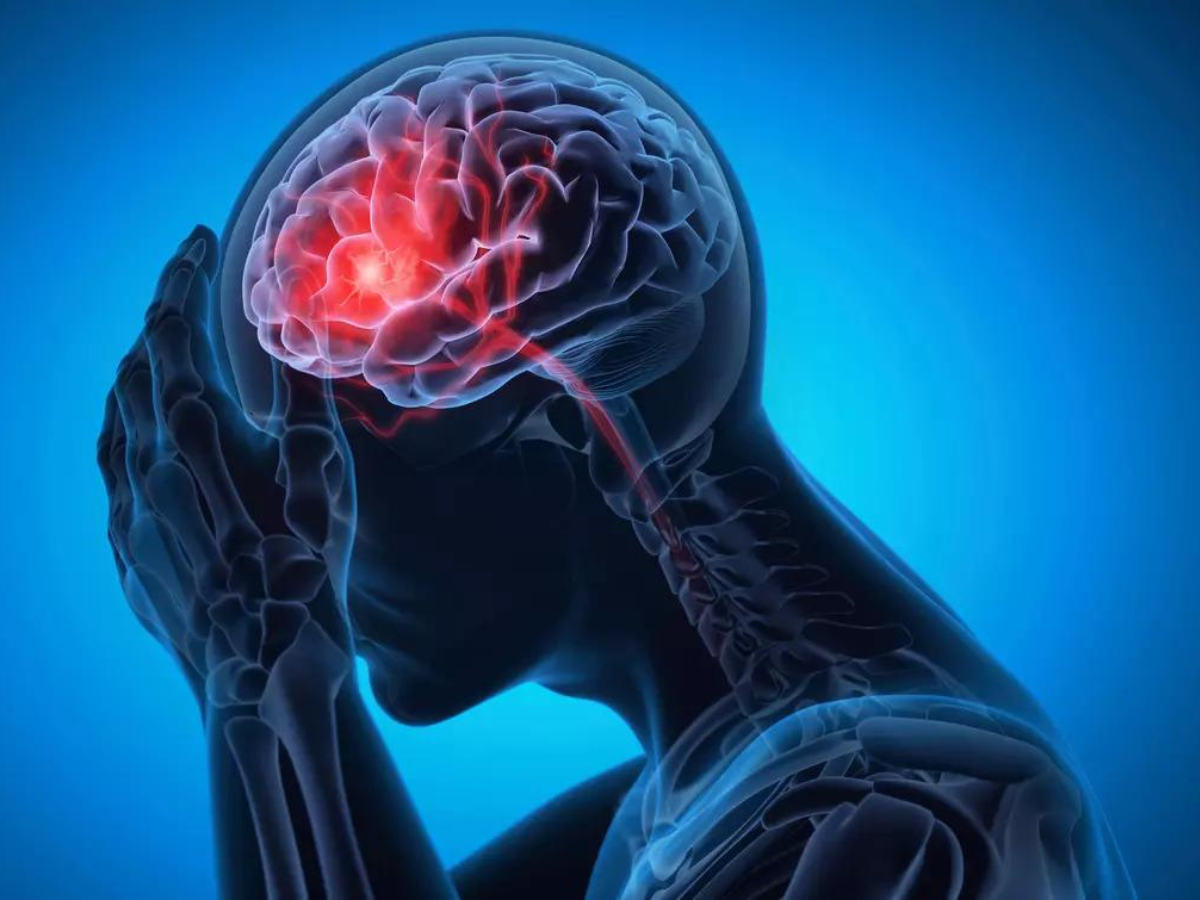
Stroke is often misunderstood as an elderly disease, but Apollo Hospitals neurologist Dr. Sudhir Kumar warns it can affect people in their 30s and 40s. In a post on X, he debunked myths, stressing that 80 to 90 percent of strokes are preventable with lifestyle changes.
Beyond FAST: Prevention and living beyond a stroke
While FAST is about spotting a stroke fast, preventing one is equally critical. Some lesser-spoken but meaningful steps (beyond the usual “exercise and eat well”) include:
- Monitoring not just blood pressure but also blood sugar and cholesterol regularly. Early detection changes outcomes.
- Being mindful of sleep quality. Poor sleep (and sleep apnoea) is gaining attention as a stroke risk.
- Thinking about airway health: loud snoring, pauses in breathing during sleep may hint at underlying issues that increase stroke risk.
- Reducing exposure to air pollution and toxins. In many Indian cities, ambient air pollution itself is emerging as a stroke risk contributor./.,
- Building a “family plan,” discuss with family or household members what to do if stroke signs pop up. Having phone numbers, hospital choices, and transport means ready can remove delay.
- And for those who have survived a stroke: life doesn’t just restart, it pivots. Adaptive mindset, community support, and early rehab make a big difference. The stories of survival often include the quiet work of rebuilding strength, voice, balance, and hope.
Disclaimer: The information in this article is meant for awareness and educational purposes only. It does not replace professional medical advice, diagnosis, or treatment. In case of suspected stroke, immediate medical attention is required.