Timing guide for perfect boiled eggs (no guess work needed) |


Boiled eggs seem simple, but anyone who has ever cracked one open too soon or too late knows the struggle. One minute they are too runny, the next they are rubbery, and sometimes they even show up with that dreaded green ring around the yolk. The truth is, perfect boiled eggs are less about luck and more about timing and technique.Think about it: soft-boiled eggs with golden, runny centres for dipping toast, jammy medium boiled eggs that make salads irresistible, or firm hard-boiled eggs perfect for sandwiches and meal prep. Each style has its own magic, and the only thing standing between you and perfection is knowing exactly how long to let them bubble away.In this guide, you will learn the precise timings for soft, medium, and hard-boiled eggs, along with chef-approved tricks that make peeling easier and yolks prettier, no fancy gadgets, no guesswork, just a foolproof method that guarantees results every time. Whether you are cooking breakfast, packing lunch, or prepping snacks, your boiled eggs are about to go from basic to perfect.
Why is boiled egg timing important
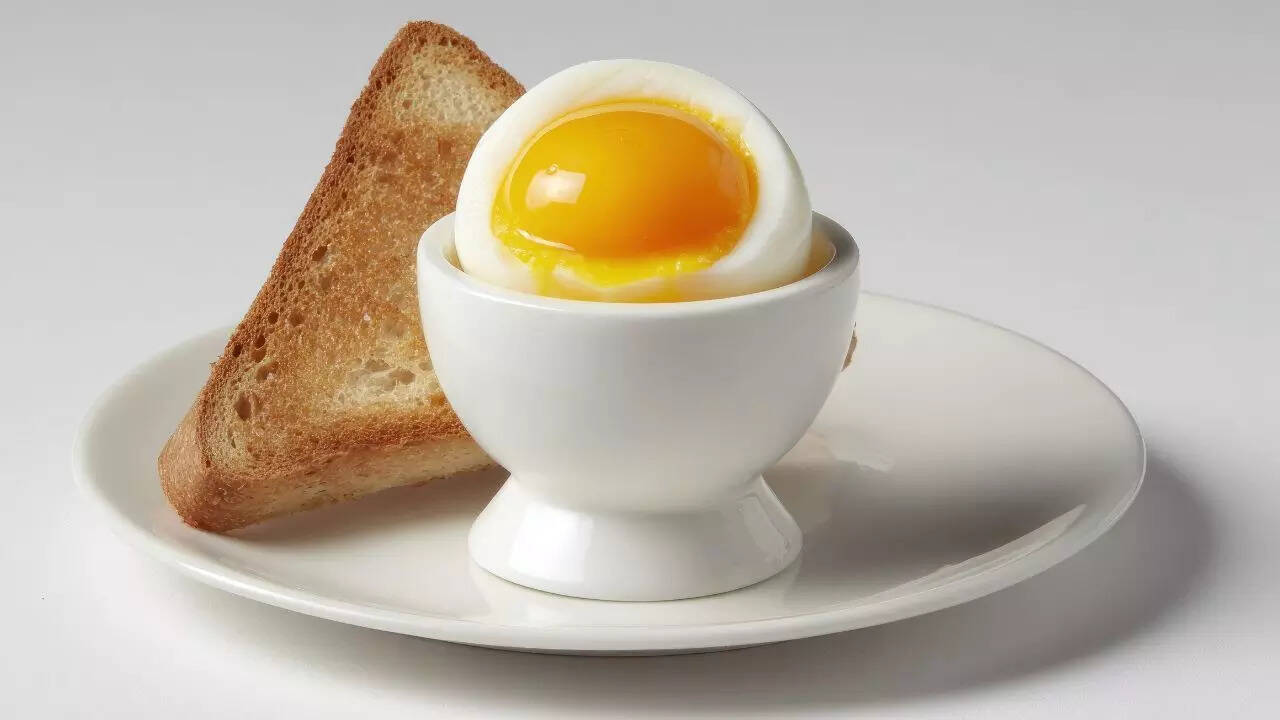
The timing of boiled eggs makes all the difference between delicious results and disappointing textures. If you cut the process short, the whites remain undercooked while the yolks stay runny. Leave them in too long, and the yolks turn dry with rubbery whites. Sometimes, overcooking even leads to an unattractive green ring around the yolk. The right timing, however, delivers creamy yolks and firm whites, striking the perfect balance every single time.
Boiling time for soft-boiled, medium-boiled, and hard-boiled eggs
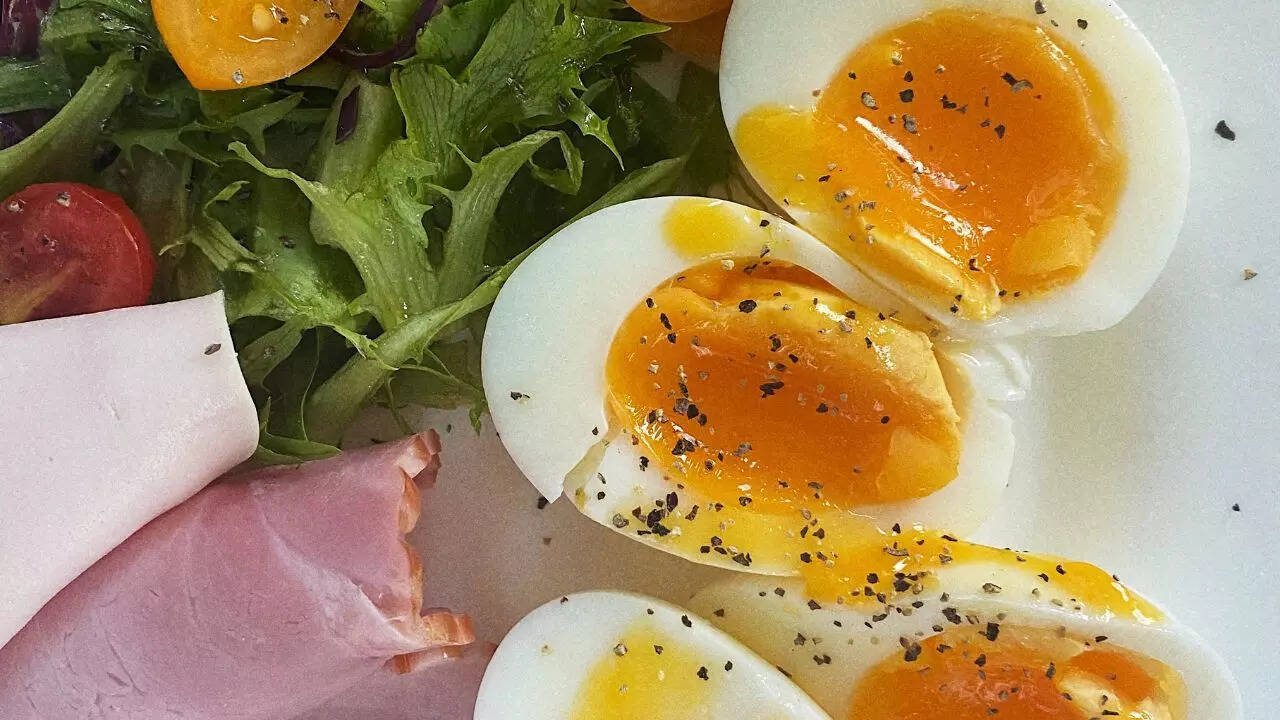
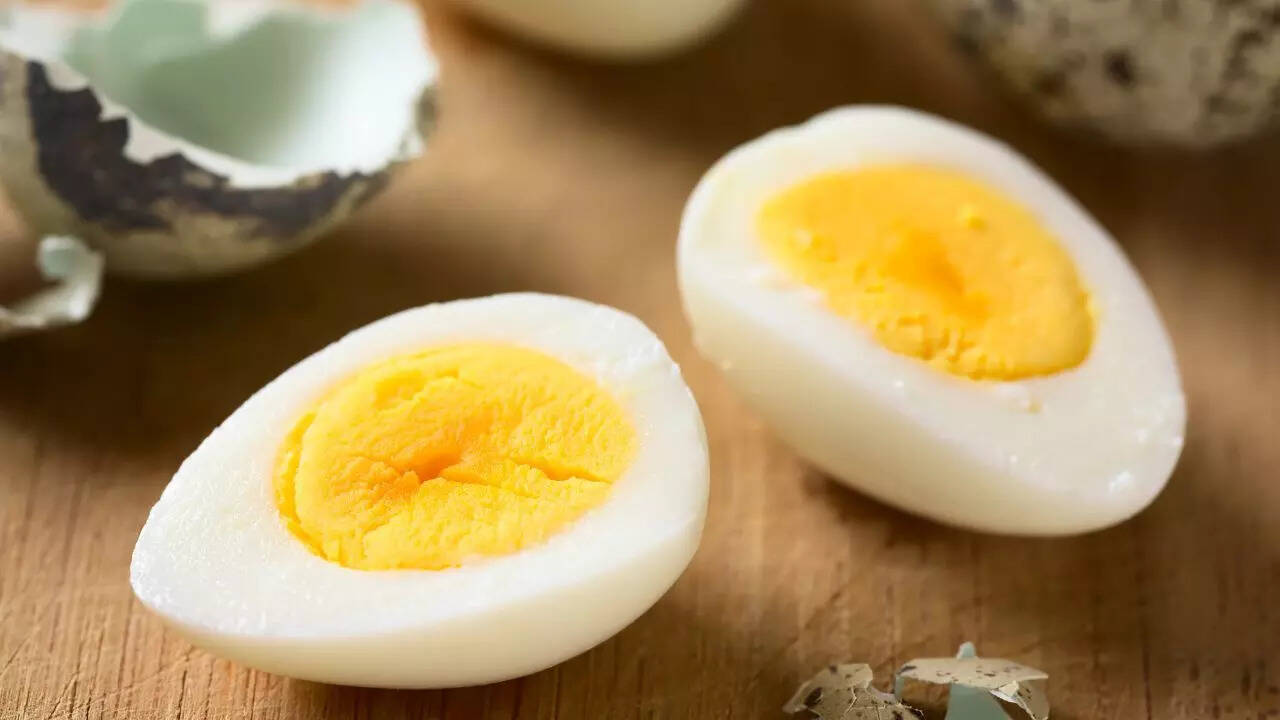
Every style of boiled egg comes down to minutes on the clock. Soft-boiled eggs, cooked for about four to six minutes, have set whites with runny, golden yolks. They are ideal for dipping toast or adding to ramen. Medium boiled eggs take about seven to nine minutes and produce yolks that are partly set with a jammy, custard-like texture. These are wonderful for salads or nourishing grain bowls. Hard-boiled eggs, cooked for ten to twelve minutes, have fully firm yolks and are the most versatile, perfect for curries, sandwiches, or as a quick protein-packed snack. The key is always to use a timer rather than guesswork.
Step-by-step method for perfect boiled eggs
Follow these simple steps to make sure your boiled eggs turn out exactly the way you want:
- Place eggs in a saucepan and cover with cold water, at least one inch above the eggs.
- Bring the water to a gentle boil over medium heat.
- Once boiling, reduce the heat slightly and set your timer for soft, medium, or hard-boiled eggs.
- When the time is up, transfer the eggs immediately into a bowl of ice water for five to ten minutes.
- Peel the eggs gently and enjoy, or store them in the fridge for later use.
Common mistakes when boiling eggs
Many people make the same avoidable mistakes when boiling eggs. Dropping them directly into boiling water often causes cracks, while skipping the ice bath leads to overcooked yolks. Guessing the timing instead of using a clock is another common issue, resulting in inconsistent results. Even the choice of eggs matters, as very fresh eggs are much harder to peel compared to those that are five to seven days old.
Tips for peeling boiled eggs easily
Peeling boiled eggs can be tricky, but these tips make the job easier:
- Use eggs that are at least five to seven days old.
- Add a spoonful of vinegar or baking soda to the boiling water to loosen shells.
- Roll boiled eggs gently on a hard surface to create cracks before peeling.
- Peel the eggs under running water for a smooth, clean finish.
Why hard-boiled eggs turn green
A common problem is the appearance of a greenish ring around the yolk. This happens when eggs are boiled for too long, allowing sulphur from the whites to react with iron in the yolks. While harmless, it is not visually appealing. Rapidly cooling the eggs in ice water prevents this and keeps the yolks bright yellow.
Health benefits of boiled eggs
Beyond taste and convenience, boiled eggs are nutritional powerhouses. They are packed with high-quality protein, vitamins such as B12 and D, and essential minerals including selenium and iron. They also contain choline, a nutrient important for brain function and metabolism. Since boiling requires no oil or butter, eggs prepared this way are low in calories, filling, and one of the healthiest ways to enjoy them.
FAQs about boiling eggs
One of the most common questions is storage. Boiled eggs, if left unpeeled, can be stored in the fridge for up to seven days. If you are preparing a large batch, ensure they are fully covered with water while boiling, and cooled properly afterwards. Reheating boiled eggs is not recommended, as it can make them rubbery; they are best enjoyed cold or at room temperature.Perfect boiled eggs are not about luck but about following the right method. By sticking to precise timing, using an ice bath, and avoiding common mistakes, you can achieve consistent results every time. Whether you love soft-boiled eggs for breakfast, medium-boiled eggs for salads, or hard-boiled eggs for snacks and meal prep, this simple approach ensures they always turn out just the way you want.Disclaimer: This article is for general informational purposes only and is not a substitute for professional medical advice, diagnosis, or treatment. Always seek the guidance of a qualified healthcare provider regarding any medical condition or lifestyle change.Also read| Why your chai feels bland after mithai and what science says