Who will govern Gaza? Donald Trump’s 20-point peace plan — Explained

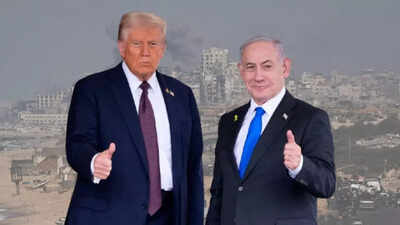
After days of speculation, the White House on Monday released a 20-point plan aimed at ending the nearly two-year war in Gaza, securing the release of hostages held by Hamas, and setting out the future administration of the Palestinian territory.The proposal calls for an immediate end to the conflict between Israel and Hamas, while leaving Hamas out of any future role in governing Gaza.If both sides agree to the conditions, fighting would stop and all Israeli hostages, dead or alive, would be released “within 72 hours” of Israel’s public acceptance of the deal.In exchange for the hostages, Israel would release 250 Palestinians serving life sentences and 1,700 Palestinians detained in Gaza since the war began on October 7, 2023, after Hamas’ attack on Israel. For every Israeli hostage whose remains are handed over, Israel would return the remains of 15 Palestinians.At a press conference after talks at the White House, US President Donald Trump said the plan marked “a historic day for peace.”He added that Israel’s Prime Minister Benjamin Netanyahu would have Washington’s support to “finish the job of destroying the threat of Hamas” if the militant group rejected the plan.Netanyahu said Israel “will finish the job” if Hamas refuses the proposal or does not follow through.The plan presents Hamas with a choice: surrender and give up its arms in return for the end of fighting, humanitarian assistance, and the promise of reconstruction, or reject the deal and face continued military pressure with backing from the US.Under the proposal, Hamas would have to disarm in exchange for a halt to the war, delivery of humanitarian aid, and reconstruction for Gaza’s residents. The plan also refers to the possibility of Palestinian statehood at some stage, but only as a long-term goal. For now, Gaza, home to more than 2 million people, would come under international control. An international security force would take over responsibility for security, while a “Board of Peace” led by Trump and former British Prime Minister Tony Blair would oversee administration and reconstruction. Israeli forces would remain positioned around the territory.Trump and Netanyahu confirmed they agreed on the plan after their White House meeting.One part of the plan directly conflicts with Netanyahu’s stated positions. It says the Palestinian Authority would eventually govern Gaza. Netanyahu and his government oppose Palestinian statehood and are unlikely to accept such an arrangement, but the provision remains part of the document.The White House published the full text of the 20-point proposal on Monday. Key details include:
Ceasefire
The plan requires that hostilities stop immediately. Within 72 hours, Hamas would release the 48 hostages it is believed to still hold, including 20 thought by Israel to be alive.In exchange, Israel would free 250 Palestinians serving life sentences, along with 1,700 Palestinians detained since October 7, including all women and children. Israel would also return the remains of 15 Palestinians for each body of an Israeli hostage handed over.
Troop withdrawal
Israel would withdraw its forces from Gaza, but only after Hamas disarms and an international security force moves in to take control of areas vacated by Israeli troops.Israel would keep a “security perimeter presence,” a vague term that could amount to maintaining a buffer zone inside Gaza.Hamas has previously said it will not release all hostages without a “clear declaration” that the war will end and that Israel will fully leave Gaza.
Hamas’ future and Gaza’s administration
The plan states Hamas will play no role in governing Gaza. Its tunnels and other military infrastructure would be dismantled. Members pledging to live peacefully would receive amnesty, and those who wish to leave Gaza would be allowed to do so. An international security force would enforce Hamas’ disarmament, maintain order, and train Palestinian police to take over law enforcement. Egypt has said it is preparing thousands of Palestinian police for deployment in Gaza.Humanitarian aid would be delivered in large amounts and managed by “neutral international bodies,” including the UN and the Red Crescent. It is unclear if the Gaza Humanitarian Fund, a food distribution system backed by Israel and the US, would continue.The proposal makes clear Palestinians will not be expelled from Gaza. Instead, there will be an international effort to rebuild the territory for its residents.Such language has become significant as both Trump and Israeli officials have previously spoken of moving Gaza’s population elsewhere and redeveloping the area under international projects.Day-to-day governance would be managed by a group of Palestinian technocrats. The “Board of Peace,” led by Trump and Blair, would oversee reconstruction and control funding, giving it substantial influence over Gaza’s administration since rebuilding is the territory’s most urgent need after Israel’s campaign.
On Palestinian Authority and statehood
Under the interim arrangement, the Palestinian Authority would be restructured so it could later assume responsibility for governing Gaza.The plan makes only limited reference to Palestinian statehood. It states that if the Authority carries out the required reforms and reconstruction in Gaza moves forward, “the conditions may finally be in place for a credible pathway to Palestinian self-determination and statehood.”