5 plants that are secretly destroying your pepper garden this season |
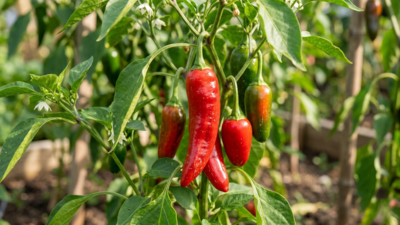
If you’ve caught the gardening hobby recently, chances are peppers are on your grow list. They are forgiving, productive and just right in a backyard raised bed or even a sunny balcony container. However, here’s something most beginning gardeners don’t learn until it’s too late: what you plant next to your peppers can be just as important as how often you water them.Companion planting sounds like an adorable gardening concept, but it’s based on real plant biology. Some neighbours help peppers grow. Others are killing them quietly. Here are five plants that are squarely in the second camp, and the science behind why.Fennel is basically a plant bully Whenever you hear gardeners say that fennel has no friends, they’re not being dramatic. Fennel releases allelopathic chemicals, natural compounds that inhibit the germination and growth of neighbouring plants. According to a study, Allelopathic Potential of Fennel (Foeniculum vulgare Mill.), fennel extracts significantly inhibited the germination and seedling growth of several plant species. Peppers are solanaceous plants, which are already sensitive to changes in soil chemistry and, for that reason, are particularly vulnerable. You’ll end up with yellow leaves, stunted stems and a frustratingly small harvest or none at all. Set aside a completely separate corner of your garden for fennel, preferably in its own container.Mint will take over everything, including your pepper rootsMint is the overachiever of the herb world, which is great, until it’s the most aggressive squatter in your garden. It spreads by seed above ground and by rhizomes below ground, which are basically underground runners that send up new plants before you know it. Most experienced gardeners don’t plant mint directly in the ground at all.Peppers have fairly shallow roots, generally only a foot or two deep, and need room to spread out. Mint moves right into the same zone and fights aggressively for nutrients and water. A mature pepper plant will survive for a while, but a seedling planted anywhere near mint stands little chance.
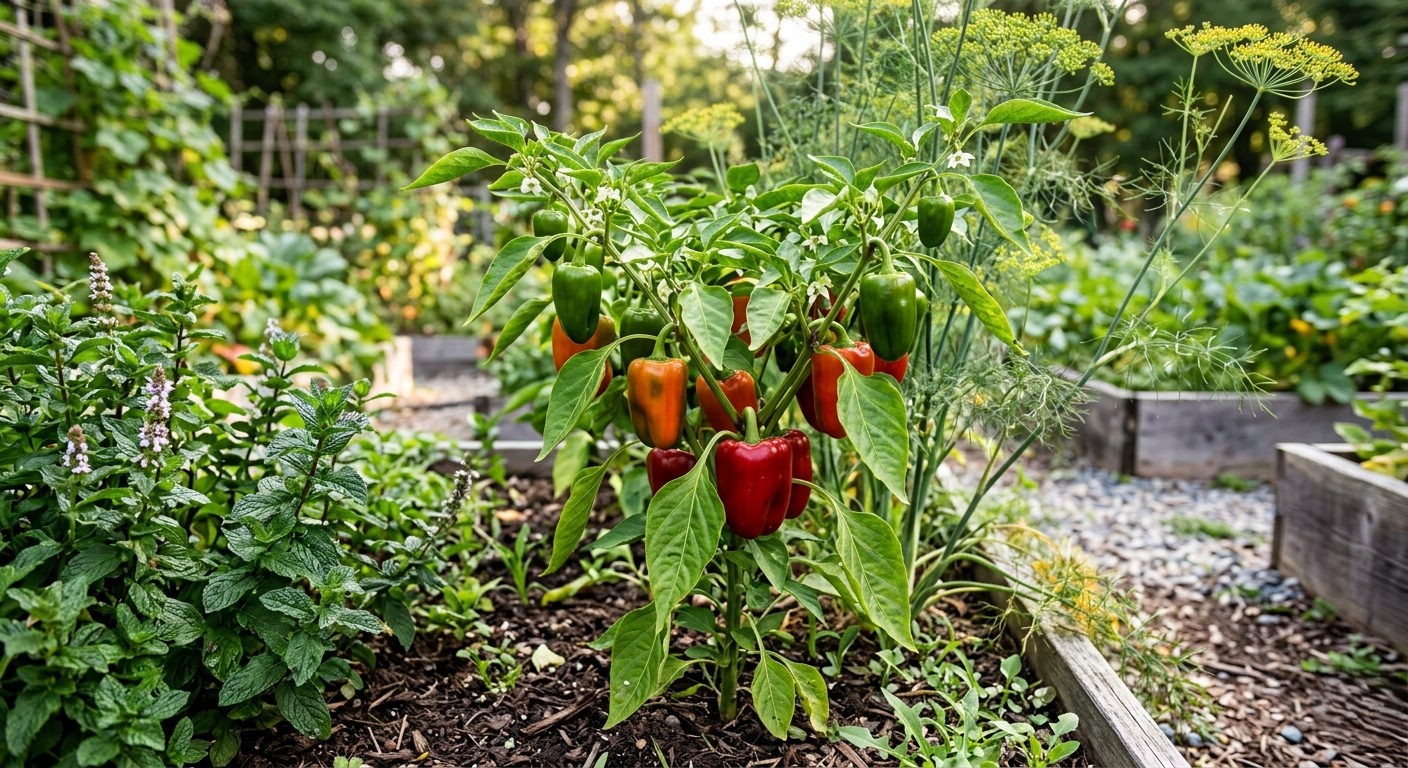
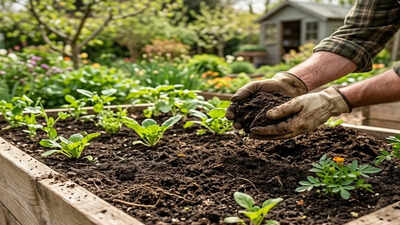
A thriving garden depends on more than good soil: companion planting can make or break your pepper crop. Image Credits: Google Gemini
Other nightshade plants can spread disease rapidlyYou’d think tomatoes, eggplants and peppers would go together, right? Same family, similar needs, makes sense. The thing is, nightshades share more than just growing conditions. They are also vulnerable to pests and disease. Plant them too close together, and one infection can wipe out the whole group before you even spot the symptoms. A particularly brutal example of this is the tobacco mosaic virus. There’s no cure, and it can wipe out an entire nightshade section of your garden in one season. Allow each variety its own space, and rotate your crops every year.Root vegetables are a harvesting hazardCarrots, potatoes and turnips sound harmless enough, but the problem is not what they do while they are growing, but what happens when you pull them up. Peppers have shallow, wide-spreading roots, and any aggressive digging around them can seriously damage that system. That kind of root disturbance can be fatal to a young plant still finding its feet. If you love your root vegetables, keep them completely separate from your peppers in a different bed.Brassicas draw the wrong crowdBroccoli, kale, cauliflower: brassicas are nutritional powerhouses, but not the best neighbours for peppers. For one, they like cooler temperatures (under 70°F) while peppers won’t even get started until it’s 70°F. They also like different soil pH levels, which makes it nearly impossible to prep a bed that will work well for both. Brassicas are also notoriously bad at attracting pests. They draw in flea beetles and cabbage worms that will destroy the leaves. Pepper leaves won’t recover from these attacks like brassica leaves will.The chemical side of things deserves a mention, too. Research in Applied and Environmental Microbiology shows that glucosinolates, defence compounds made by brassica plants, have strong biocidal effects on nearby organisms in the soil. This is good for brassicas but can disturb the microbial world your peppers rely on.The final wordCompanion planting isn’t just about what looks good together in a garden layout; it’s about creating an environment where your plants can actually thrive. The wrong neighbours not only slow things down, but they can also derail an entire season. A little bit of planning up front goes a long way. If in doubt, give your peppers room to breathe, keep fennel far away and reserve the brassicas for their own dedicated cool-weather bed.