6 best indoor plants that survive low sunlight in British homes
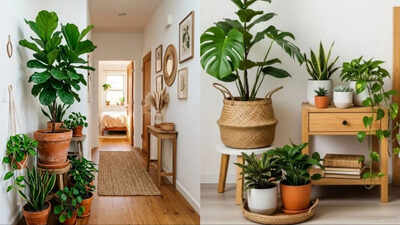
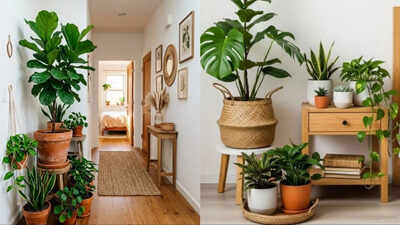
In 2026, houseplants are not just about aesthetic beauty and Instagram-worthy settings. It is about resilience, wellbeing and real-life living conditions and in Britain – where grey skies, short winter days and North-facing homes are the norm – the demand for indoor plants that can genuinely survive low sunlight has never been higher.From compact London flats to traditional terraced homes in Manchester, homeowners are increasingly seeking greenery that thrives in dim corners, shaded hallways and rooms far from windows. The good news is that nature has already done the hard work. Many indoor plants have developed to grow well under tree canopies, so they can easily adapt to the indirect, low-light conditions that most UK houses have.Still, it might be worth bearing in mind one big fact that low light does not equate to no light at all. A plant will still generally need some indirect sunlight to be able to live. In fact, low light, according to plant gurus, typically means placing the pots a few steps away from the window sill or indoor areas where light is coming through a curtain rather than in complete darkness.
Why low-light plants are trending in 2026
More research is showing why low-maintenance indoor greenery is the fastest growing home decor trend this year. For example, a 2026 study published in the Journal of Urban Ecology found that plants indoor adapted to low-light conditions and brought about a big boost in perceived wellbeing in small houses with very little sunlight.
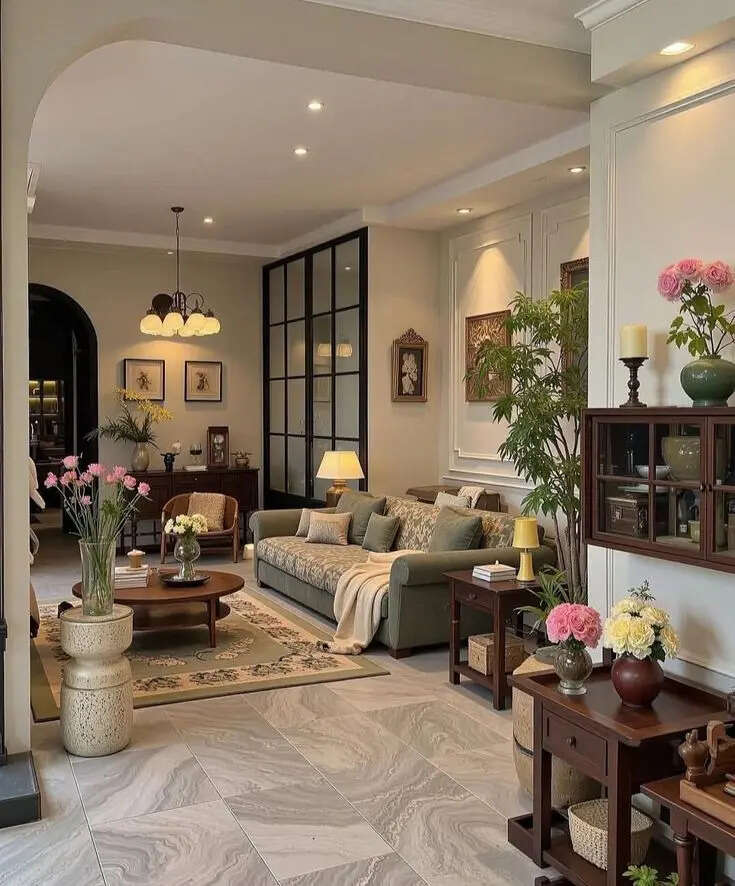
Are Your UK Homes Killing Your Plants? The Low-Light Revolution of 2026
Plants are not just decor pieces anymore. They are actually powerful mood enhancers, productivity boosters and nature connectors. Along with that, 2026 trends revealed that people want “luxe low-maintenance plants” those that are both chic and easy-going, especially for time-starved city dwellers.
Best low-light indoor plants for British homes
- Snake Plant (Dracaena trifasciata): If there is one plant that defines resilience, it is the snake plant. Often called “unkillable”, it tolerates neglect, irregular watering and extremely low light. Its upright, architectural leaves make it ideal for modern interiors, while its adaptability means it can survive almost anywhere, from bedrooms to dim hallways. Experts note that it can handle “everything from low light to bright, indirect sun.” It is also a favourite for beginners, offering maximum visual impact with minimal effort.
- ZZ Plant (Zamioculcas zamiifolia): The ZZ plant has become a cornerstone of UK indoor gardening and for good reason. With glossy, dark green leaves and thick rhizomes that store water, it thrives on neglect. It is particularly suited to British homes because it can survive in very low light and dry indoor air, common during centrally heated winters. In fact, many plant experts describe it as one of the few plants that genuinely “thrives in darker corners.”
- Pothos (Epipremnum aureum): For those who love trailing greenery, pothos is the ultimate low-light companion. Its cascading vines soften interiors and add movement to shelves and hanging baskets. What sets it apart is its versatility as it can handle low light, irregular watering and temperature changes without showing much signs of getting worse. Besides, it is highly lenient that even a busy household or first-time plant owners, who normally neglect their plants, can still grow it successfully.
- Peace Lily (Spathiphyllum): Do you want a plant that will bloom? The peace lily is probably one of the few indoor plants that will still flower, producing a gorgeous white bloom, even if the environment is not so bright. It loves low to moderate light and as an additional feature, it cautions when it needs watering by slightly drooping, which makes maintenance quite straightforward. This blend of charm and functionality has made it a favourite for both living rooms and bedrooms.
- Chinese Evergreen (Aglaonema): Among the plant options for very dark rooms, the Chinese evergreen is definitely one of the best. It is famous for its leaves decorated with green, silver and even red colours, which add to the aesthetic without a need for light. Since it can live with low light and dry air, which is very typical even in the UK, especially in winter time, it is very suitable for British homes.
- Cast Iron Plant (Aspidistra elatior): As per its name, the cast iron plant is almost impossible to kill. It even grows very well with the lowest of lights, temperature fluctuations and very occasional neglect. It is great for corridors or entrances and is one of the best options for homeowners who want greenery in spaces where other plants would fail.
What science says about low-light adaptation
The resilience of these plants is not accidental, it is rooted in biology. A 2026 study in Plant Physiology Reports revealed that shade-adapted species really know how to work their light absorption mechanisms so that they can live in places where there is very little direct sunlight.In other words, plants such as snake plants and ZZ plants have changed over time in a way that they are able to thrive in very low light just as if they were on forest floors.
Psychological benefits of indoor plants
Beyond survival, these plants also have a positive impact on our well-being at home. A 2026 Building and Environment research revealed that even a small amount of indoor plants helps to reduce stress and makes people feel more comfortable in a low-light domestic environment.
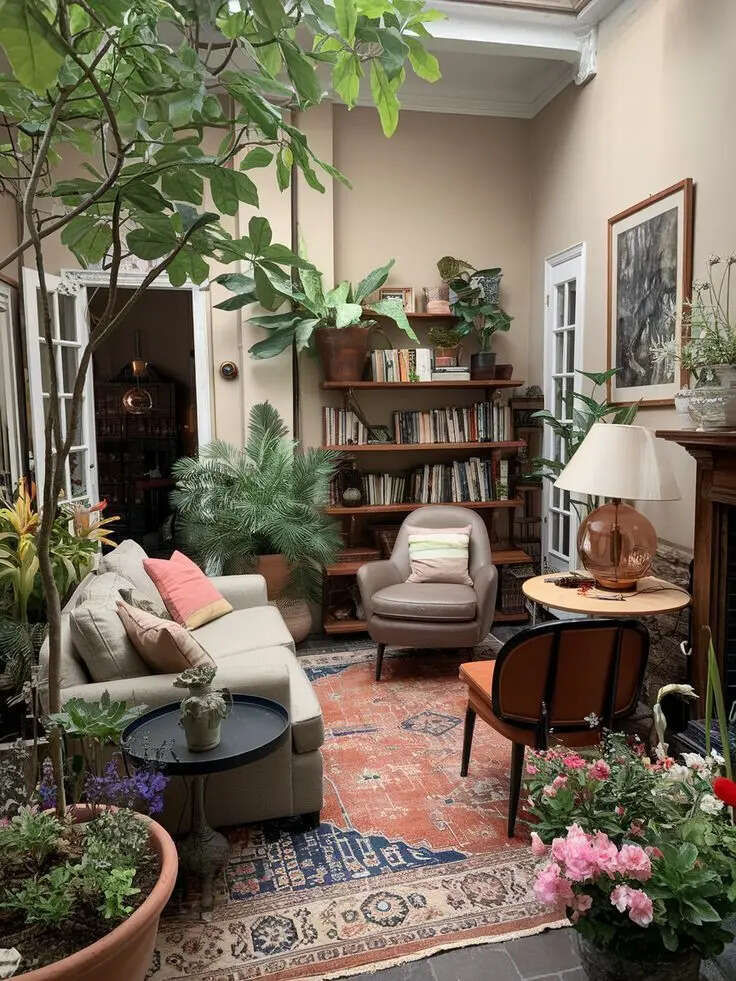
Can Your Home Survive Without Sunlight? The Rise of Low-Light Houseplants in 2026
This clearly shows that low-light plants are not only useful but also are the key to producing peaceful and livable interiors. It does not matter how tough a plant is; if it is not given the right conditions to live, it will do much more than survive. Here is a guide on how to make these plants suitable for work or home environments in the UK –
- Position matters: Set your plants near windows but not in direct sunlight.
- Avoid watering too much: Typically, low-light plants like it when their soil gets dry between one watering and the next.
- Rotate the plants from time to time: It helps them to grow evenly.
- Use reflective surfaces: Mirrors and walls painted with light colours can increase the brightness of the room
Also note, in case a room totally lacks natural light, even the most robust plants would be unable to survive without artificial grow lights. The top indoor plants in 2026 will not only be aesthetically pleasing; they will also be able to adapt, be tough and fit in with real-life situations.For UK homes, where sunlight availability can be a problem, selecting the right type of plants is turning the table from being stuck in a loop of plant-death to enjoying consistent and attractive greenery at home. From the almost indestructible snake plant to the sophisticated peace lily, these low-light heroes stand as a testimony to the fact that you do not need to have a sun-drenched conservatory to get the benefits of the nature inside.By making the right selections, you can not only have the pleasant presence of plants indoors but also enjoy their benefits.