
In 1853, George Crum spited a rude customer and invented the potato chip, creating America’s favourite snack |
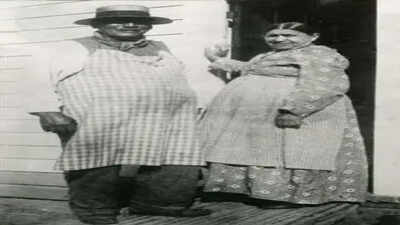
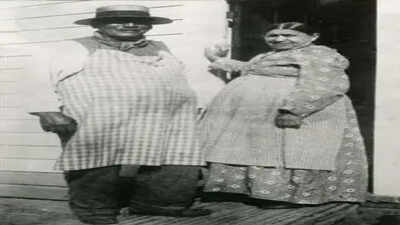
In reality, there is a strange joy in stories of food wars, particularly those that culminate in an enormous billion-dollar enterprise. The famous potato chip was supposedly invented out of sheer hatred of the kitchen. Imagine the Moon Lake House at Saratoga Springs in New York in the summer of 1853. There was a very important guest who kept returning his order of fried potatoes because they were too thick and soft. This continued for a while until he made a comment that triggered an inspiration that would later create a snack industry.The cook that night was George Crum, a man of African American and Native American heritage known for his fiery temperament and talent. After the third time the potatoes were returned, Crum decided he had had enough of the guest’s pickiness. Instead of making a better batch of fries, he decided to play a prank. He sliced the potatoes so thin they were transparent, fried them until they were as hard as a rock, and doused them in an excessive amount of salt. He expected the guest to be furious; instead, the man loved them.A kitchen prank that became a national legendWhile the story of the spiteful chef is a staple of American folklore, historians suggest that the reality might be a bit more complex. According to the archive documented in Electronic Highways, a publication by the University at Buffalo, the story of George Crum and the “Saratoga Chip” is a perfect example of how oral history and legend can blend into a single, powerful narrative. While there is no written record from 1853 proving the exact moment of the “spite-fry,” the legend has persisted because it captures a very human moment of wit and accidental genius.But Saratoga Chips quickly took off and became a local sensation. The chips were sold in paper cones and became the favourite snack for the wealthy clientele of the resort town of New York. Not only did Crum start his restaurant, Crum’s House, where each table was served with a basket of chips, but he also never bothered to secure a patent for his invention. According to the Lemelson-MIT inventor information sheets, the absence of protection for Saratoga Chips made them easily replicable and therefore prone to mass production across the United States.

This accidental creation, initially a local sensation, eventually paved the way for a massive global snack industry, thanks to later innovators.
A restaurant delicacy becomes a global snackDeveloping Saratoga Chips into a worldwide snack was not just about having an amazing taste and texture of the food. In fact, it took many years of hard work from brilliant engineers who managed to come up with ways of making this salty and crispy piece of potato stay fresh and crispy beyond a day or two. Early Saratoga Chips were distributed from bulk bags that contained many broken chips, because it was impossible to ensure freshness beyond several hours.The Lemelson-MIT program’s research observes that while it could have been Crum’s invention that initiated the idea of the chip, it is individuals such as Laura Scudder and William Tappenden who made it happen. They moved manufacturing processes from the small kitchenettes used by restaurants to big factories. They created a network of distribution that allows chips to be stocked in all neighbourhood stores today. Crum gave the “spark,” but it was really the people who recognised its business potential who brought about the industry.Today, the potato chip has become more than a snack food; it has turned into a symbol of popular culture. It graces every backyard barbecue, every birthday party, and every packed lunch throughout the nation. George Crum’s tale teaches us that it is during moments of greatest annoyance that some of our best inspirations emerge.The next time you crack open a bag of chips, think of the chef back in 1853 who tried to have a little rebellion in him. As you can see, a bit of saltiness eventually ends up being sweet!