
Aphids are born pregnant: The strange science behind their rapid reproduction |
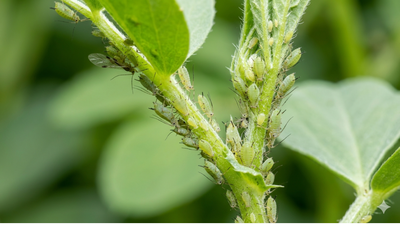
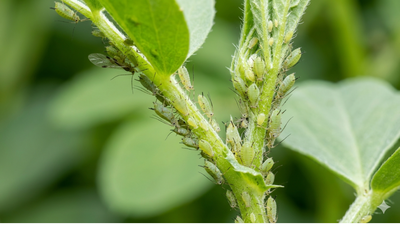
It may seem odd to think of aphids producing their offspring while already pregnant, but in actuality, it is not an unusual phenomenon among insects. Aphids have been able to adapt to a reproductive process that allows them to produce offspring extremely quickly without any form of courtship. Many different types of aphids reproduce in what is known as a process referred to as parthenogenesis. It consists of the development of offspring inside the female’s body, where the babies are carried in eggs. The term “telescoping generations” refers to such a form of reproduction that proves highly beneficial in terms of expanding the number of individuals within the species. The research field of rapid reproduction is currently growing, making this information on aphids especially useful.
How aphids are born pregnant
The belief that aphids start their lives pregnant is not exaggerated but a true biological phenomenon. Female aphids can reproduce through parthenogenesis, meaning that males play no part whatsoever in their reproduction processes.The female aphids do not lay eggs but rather give birth to their young directly. According to the National Library of Medicine, embryos complete their development within the mother’s ovary one after another, in assembly line fashion. These developing embryos contain developing embryos of the third generation within them, like Russian dolls. This means that one aphid holds multiple generations of its own offspring within it.
What is parthenogenesis in aphids, and why is it important
The process of parthenogenesis in aphids explains their ability to increase their numbers very rapidly. This is because mating is not a prerequisite for procreation. This is one of the biggest advantages of the species. According to Animal Diversity, asexual reproduction allows aphids to grow their populations extremely quickly. Some aphids can produce up to eighty offspring per week and fifteen generations in a single year.
Why aphids multiply so quickly in nature
Fast multiplication of aphids is attributed to the unique physiological makeup of aphids. This is because new generations arise even before the previous generation is complete.According to Animal Diversity, within the family Aphididae, also known as aphids or plant lice, there are 24 subfamilies, 510 genera, and 5109 species. Aphids are very small insects that live in large colonies and feed on plant sap. When conditions are favourable, aphids multiply tremendously within a few days. It is due to this increase in population size that aphids are usually numerous on plants.
How aphid reproduction impacts plants and agriculture
According to the National Library of Medicine, aphids induce orderly and patterned plant growth, not cancerous growths, by injecting unknown signals into plant cells. Furthermore, they can repair damaged galls caused by predators or meddlesome scientists. Again, aphids inject unknown signals into plant cells surrounding the wound, causing plant growth that mends the breach. This explains why aphids rank among the most troublesome insects to farmers around the world.