
Can’t get rid of acne? Your smoking habit might be the real culprit
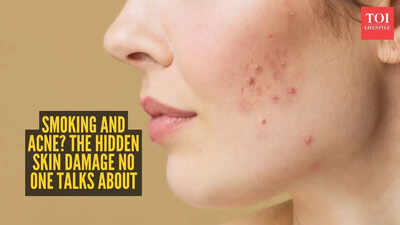
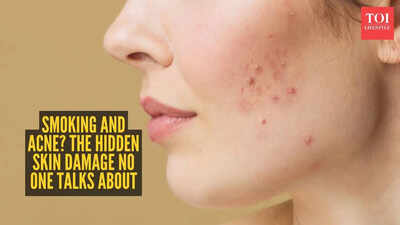
We all know the standard anti-aging lectures. Smoking causes wrinkles, speeds up collagen breakdown, and generally ruins your glow. But what if that stubborn, impossible-to-clear breakout on your jawline isn’t just a hormonal phase? What if your cigarette habit is actively sabotaging your skin?For a long time, the exact link between smoking and breakouts was honestly a bit murky. If you dig into older medical literature from the early 2000s, you might even stumble across some bizarre, heavily debated claims that smoking somehow reduced severe acne. Spoiler alert: it doesn’t. Those outdated studies mostly looked at teenage boys dealing with puberty-driven cysts. When modern dermatology shifted its focus to adults – specifically women – a completely different and much clearer picture emerged.
Enter ‘Smoker’s Acne ‘
Yes, it has a name. Clinically, dermatologists refer to it as Comedonal Post-Adolescent Acne (CPAA), but “Smoker’s Acne” gets right to the point.This isn’t your typical teenage breakout. We aren’t talking about large, angry, red cysts. Instead, Smoker’s Acne is characterized by what experts call “retention lesions.” Think massive armies of stubborn blackheads and deeply clogged whiteheads that just won’t budge. The demographic data here is staggering. Studies show that upwards of 70% to 80% of adult women dealing with this specific, incredibly frustrating type of comedonal acne are active smokers.
The Chemistry of a Clogged Pore
So, what exactly is tobacco doing to your face? It really comes down to a perfect storm of internal chaos. First, there’s sebum peroxidation. Cigarette smoke drastically increases the oxidation of your skin’s natural oils while simultaneously draining your skin’s reserves of essential antioxidants like Vitamin E. When your natural sebum oxidizes, it thickens. It turns from a fluid oil into a sticky sludge that immediately clogs up your pores.Think about your evening routine. You might be investing heavily in high-end, barrier-repairing peptides or potent retinols. But if you’re smoking, you’re essentially forcing those expensive active ingredients to fight a losing, uphill battle against constant internal oxidative stress.
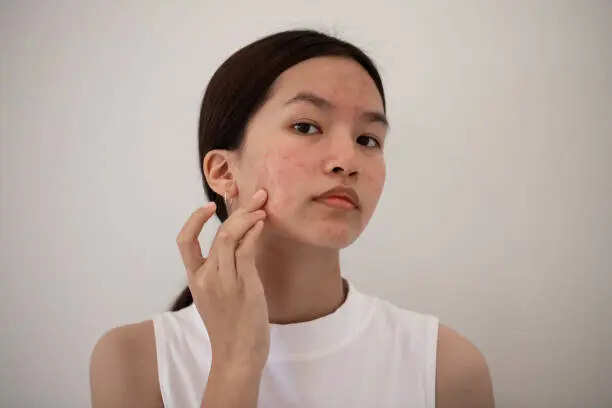
On top of that, nicotine triggers a process called hyperkeratosis. It binds to specific receptors in your skin, causing skin cells to rapidly overgrow around the opening of your hair follicles. Essentially, your pores get blocked with a glue-like mixture of dead skin and oxidized oil. It’s an inside-out clog.
Suffocating Your Complexion
The situation gets worse when your skin actually tries to heal. Nicotine is a notorious vasoconstrictor. This means it physically narrows your blood vessels, restricting the flow of oxygen and vital nutrients to your skin tissue.When you do get a blemish, this lack of blood flow puts your skin’s natural healing process in slow motion. That dark spot left behind after a pimple flattens out? That post-inflammatory hyperpigmentation (PIH) is going to stick around much, much longer. The risk of permanent atrophic scarring shoots up simply because your skin doesn’t have the oxygen it needs to repair the cellular damage.
Beyond the Face
It’s also worth noting that the skin damage doesn’t stop at the jawline. Smoking is heavily linked to a severe, chronic inflammatory skin condition called Acne Inversa (Hidradenitis Suppurativa), which causes painful, boil-like lumps in areas where skin rubs together, like the underarms. A massive majority of patients suffering from this condition are smokers, making kicking the habit the absolute most critical first line of defense.While it’s true that a cigarette might not trigger the classic inflamed breakouts associated with puberty, it is a massive, clinically proven driver for adult comedonal acne. It alters the very chemistry of your facial oil and chokes off your skin’s healing mechanisms.If you’re spending a fortune on serums and facials but still can’t shake that bumpy, congested texture, it might be time to look past your bathroom cabinet. Quitting the habit might just be the most effective skincare step you ever take.