Child Tantrums: Mindful parenting during tantrums: 5 ways to respond to your child’s emotional outbursts
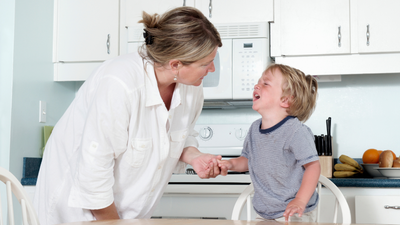
A child’s tantrums are the most intense part of parenting. Screaming, crying, and anger can leave parents feeling emotionally exhausted. While the first reaction to such behaviors is to immediately stop it, however, parents must understand the child’s emotions behind it. Sometimes what looks like a child’s ‘bad behavior’ is actually a sign of overwhelm and the inability to regulate emotions. Mindful parenting means responding with calmness while still maintaining healthy boundaries. Here are five mindful ways parents can respond to a child’s tantrums:
Pause before reacting
It is natural to become emotionally reactive when a child starts yelling or throwing tantrums. However, when parents raise their voice, they make the situation even worse. One of the most powerful parenting tools is to simply pause before responding.What parents should do in this situation is to take a deep breath, lower their anger, and take a few seconds before speaking. A calm parent becomes a source of emotional safety during a storm of feelings.

Photo: Canva
Validate the child’s emotions
Children need to feel understood before they are ready to listen. When parents dismiss a child’s feelings or tell them they’re “overreacting,” they make them feel unheard. This is why the solution lies in acknowledging what they may be feeling. Using statements such as “I know you’re upset” makes the child feel at ease. More importantly, this does not validate their behavior, but simply gives the message that their emotions are real and accepted.
Set boundaries without harshness
Mindful parenting is also about teaching children that boundaries are important. When a child throws tantrums, parents should teach that their feelings are valid, but bad behavior isn’t. The key to effectively communicate this lies in staying calm while being firm. Phrases like “I know you’re upset, but throwing stuff is not okay.” This approach teaches children emotional regulation without making them feel ashamed for having big feelings.

Photo: Canva
Focus on connection, not control
When parents try to control a child’s behavior during a tantrum, they are practically suppressing their emotions. Since children are overwhelmed with emotions when they throw tantrums, attempts to control their emotions intensifies the outburst. Simple gestures like sitting beside them quietly, maintaining a calm presence beside them, or offering a warm hug can help children feel safe and understood.
Reflect after the tantrum ends
The real opportunity for parents to build trust in the child’s mind comes when the child calms down after the emotional outburst. Instead of scolding the child or shaming them for their actions, parents should use the moment to have a reassuring conversation with the child. This creates a lasting impression in the child’s mind, and they understand that it’s okay to express emotions and one shouldn’t suppress them. Over time, these calm post-tantrum conversations improve problem-solving skills, and build a deeper sense of trust and emotional safety.