Gold gets costlier: Why govt raised import duty and what changes for buyers
NEW DELHI: The government on Wednesday raised import duties on gold and silver to 15% from 6% as part of a broader effort to curb rising imports of precious metals and conserve foreign exchange amid mounting pressure from the West Asia crisis.In a notification issued by the finance ministry, the government increased the social welfare surcharge (SWS) and the agriculture infrastructure and development cess (AIDC), taking the effective customs duty on gold and silver to 15% from May 13.The move comes days after Prime Minister Narendra Modi urged citizens to postpone gold purchases and reduce non-essential imports to help ease pressure on India’s foreign exchange reserves.Prime Minister Narendra Modi had on Sunday appealed to citizens to adopt austerity measures to help conserve foreign exchange during the crisis.Addressing a rally in Hyderabad, Modi called for “judicious use of fuel” and advised people to postpone gold purchases and foreign travel wherever possible.He also suggested reducing petrol and diesel consumption, increasing the use of metro rail services, carpooling, electric vehicles and railway transport to reduce pressure on imports.
Why the government raised import duty
The decision comes at a time when India is facing a sharp rise in its import bill, driven largely by expensive crude oil, fertilisers and precious metals amid the ongoing US-Iran conflict and disruption in the Strait of Hormuz.India’s gold imports surged more than 24% to a record USD 71.98 billion in 2025-26, even though import volumes dipped 4.76% to 721.03 tonnes during the same period.The rise in import value has been largely driven by soaring gold prices. Gold prices jumped from $76,617.48 per kg in FY25 to $99,825.38 per kg in FY26.India, the world’s second-largest gold consumer after China, imports massive quantities of gold primarily for the jewellery sector. Higher imports increase demand for dollars, putting additional pressure on the rupee and widening the current account deficit.The government’s move also comes amid growing concerns over India’s balance of payments situation. Earlier on Tuesday, Chief Economic Advisor V Anantha Nageswaran described the ongoing West Asia crisis as a “live balance of payments stress test”, warning that it has direct implications for inflation, the current account deficit and the exchange rate.India’s balance of payments reflects the difference between foreign exchange inflows and outflows, PTI reported.Rupee hit a record low of 95.63 against the US dollar on Tuesday as rising oil prices and geopolitical tensions intensified pressure on the currency.India is heavily dependent on imports for its energy needs. The country imports around 60% of its LPG requirement, and nearly 90% of those supplies move through the Strait of Hormuz, which has effectively been disrupted due to the ongoing conflict.With oil prices rising sharply, the government is trying to reduce non-essential imports like gold to prevent further strain on foreign exchange reserves.Rising oil prices mean India has to spend more dollars on imports, putting additional strain on the rupee and forex reserves.Gold imports have added to the pressure. India does not produce enough gold domestically, and almost the entire demand is met through imports paid for in US dollars. In 2025-26 alone, India imported a record $71.98 billion worth of gold, accounting for nearly 9-10% of the country’s total import bill.At the same time, India’s forex reserves have declined from recent highs due to expensive crude oil and volatility linked to the Middle East crisis. The International Monetary Fund (IMF) has also warned that India’s current account deficit could widen further if the conflict continues.
How the duty hike will affect gold prices
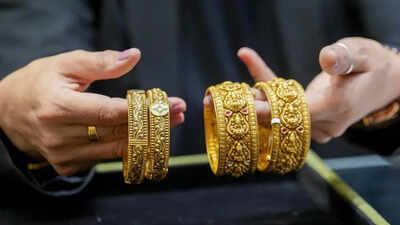
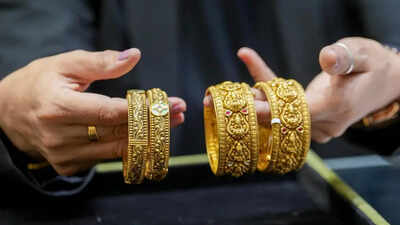
The import duty hike is expected to push domestic gold and silver prices even higher at a time when they are already trading near record levels.On the Multi Commodity Exchange (MCX), gold was trading at Rs 1,63,000 while silver touched Rs 2,96,600 around 9.59 am, with both precious metals rising more than 6% after the government’s announcement.In the national capital, gold prices rose by Rs 1,500, or nearly 1% , to Rs 1,56,800 per 10 grams on Tuesday from Rs 1,55,300 a day earlier. Silver prices jumped Rs 12,000, or 4.53% , to Rs 2,77,000 per kg.In international markets, however, spot gold slipped 1% to USD 4,692.64 per ounce, while silver fell 3.04% to USD 83.49 per ounce.The latest increase effectively reverses the government’s earlier decision in the 2024-25 Budget to reduce customs duty on gold to 6% .At the time, the government had lowered duties to support the domestic gems and jewellery industry, reduce smuggling and bring down local prices.India had previously raised gold import tax to 15% in 2022 as well, when the Russia-Ukraine war triggered a sharp rise in oil prices and weakened the rupee.
What higher import duty means
By making imported gold and silver more expensive, the government hopes to discourage excessive imports and reduce demand for foreign currency.Economists say the move may help narrow the current account deficit and ease pressure on the rupee in the short term.However, higher import duties could also push up domestic prices further and may revive concerns around gold smuggling, which had reduced after the earlier duty cut.The government’s latest move signals that managing foreign exchange reserves and containing the widening import bill have now become key priorities amid the escalating West Asia crisis.