
How to avoid saggy skin after weight loss with simple lifestyle tips |
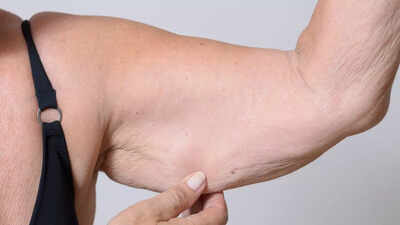
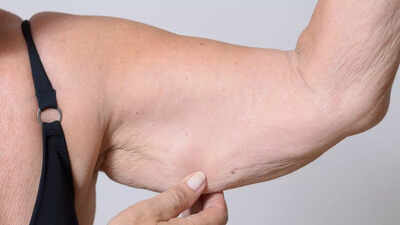
Losing weight is often viewed as a triumph, symbolising improved health, discipline, and lifestyle changes. Yet, for many, the journey brings an unexpected challenge, loose or saggy skin. While fat cells shrink with weight loss, the skin does not always retract smoothly, leaving some areas lax or drooping. This natural response can affect confidence, even after a successful transformation. Factors such as age, genetics, sun exposure, and the speed of weight loss all play a role in how skin reacts. Understanding these causes, along with practical steps to prevent or minimise sagging, can help maintain both health and appearance.
Why does skin become saggy after weight loss?

The skin is much like an elastic fabric that adapts to body changes. When weight is gained, the skin stretches to accommodate the additional fat tissue. However, if the skin remains stretched for a prolonged period, the collagen and elastin fibres—the structural proteins that maintain skin’s firmness and flexibility—begin to weaken.
When weight is lost, especially if the process is rapid, the skin may not contract back fully, leading to sagging. Several factors influence this response:
- Age: Younger skin has more collagen and elasticity, making it more likely to rebound after weight loss. Older individuals often notice more looseness due to reduced elasticity.
- Genetics: Inherited skin properties determine how well the skin adapts to changes in body size.
- Sun exposure: UV damage over the years weakens collagen, accelerating sagging.
- Amount of weight lost: Significant or rapid weight loss increases the likelihood of skin laxity, especially in areas such as the abdomen, arms, thighs and face.
Preventing saggy skin after weight loss : Nutrition, exercise, and care tips
Slow and steady weight loss
Rapid weight loss often shocks the skin, leaving little time for adjustment. A gradual approach—ideally aiming for 0.5 to 1 kilogram per week—gives the skin a chance to shrink alongside the body’s changing shape. This method not only improves skin outcomes but is also more sustainable for long-term health.

Build lean muscle
Incorporating strength training and resistance exercises helps replace lost fat with lean muscle mass.A study published in Scientific Reports involving 61 sedentary middle-aged women found that 16 weeks of both aerobic training (AT) and resistance training (RT) significantly enhanced skin elasticity and improved upper dermal structure.. This not only improves body contour but also supports the skin from underneath, reducing the appearance of looseness. Stronger muscles create a firmer foundation, making the skin look more toned.
Eat for skin health
Diet plays a critical role in maintaining skin structure. Collagen and elastin production depend on nutrients like protein, vitamin C, zinc and omega-3 fatty acids. Consuming foods such as lean meats, fish, citrus fruits, nuts and seeds can strengthen the skin’s natural repair mechanisms. A nutrient-rich diet ensures the skin stays resilient and better equipped to handle changes during weight loss.
Stay hydrated
Proper hydration keeps the skin supple and plump. Drinking enough water each day supports cellular function and elasticity. Additionally, using moisturisers containing hyaluronic acid, ceramides or glycerin helps lock in external hydration, giving the skin a smoother, firmer look.
Protect from the sun
Exposure to UV rays breaks down collagen and speeds up the ageing process. During weight loss, when skin is already vulnerable, sun protection becomes even more essential. Applying broad-spectrum sunscreen year-round, wearing protective clothing and avoiding prolonged sun exposure help preserve skin strength and prevent sagging.
Topical and oral supportive treatments
Certain treatments can further support skin health. Topical options such as retinoids and antioxidant serums stimulate collagen production and improve skin texture. Oral supplements like hydrolysed collagen peptides, vitamin C and omega-3 fatty acids may also promote elasticity from within. Starting these supportive measures early can make a significant difference in preventing skin laxity.It is important to remember that saggy skin after weight loss is a natural response and not a sign of poor health. The skin, like the rest of the body, needs time and care to adapt. With the right combination of gradual weight reduction, muscle building, proper nutrition, hydration, sun protection and, if needed, dermatological support, the skin can regain much of its firmness.Weight loss is a positive milestone in health, and with mindful steps, individuals can ensure that their skin reflects the same vitality as their body transformation.Also Read: Reduce hair fall with these 7 natural and chemical-free remedies