‘I don’t trust Pakistan’: US official questions Islamabad’s mediation role after Iran aircraft row, seeks alternative
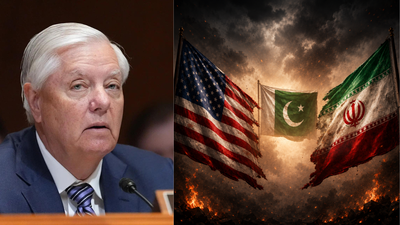
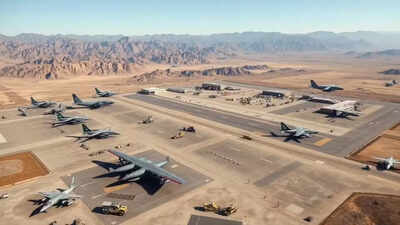
US Republican Senator Lindsey Graham on Tuesday publicly questioned Pakistan’s credibility as a mediator in the ongoing US-Iran negotiations, citing reports that Iranian military aircraft had been allowed to use Pakistani airbases during the conflict.Speaking during a Senate Appropriations Committee hearing, Graham pressed US Defense Secretary Pete Hegseth over reports that Iranian aircraft were operating from Pakistani territory, asking whether such actions were “consistent with [Pakistan] being a fair mediator.”“I don’t trust Pakistan, as far as I can throw them,” Graham said. “If they actually do have Iranian aircraft parked in Pakistan bases to protect Iranian military assets, that tells me we should be looking maybe for somebody else to mediate.”The remarks came after CBS News reported that Pakistan had allowed Iranian military aircraft to use facilities including Pakistan Air Force Base Nur Khan, with US officials allegedly suggesting the move could shield Iranian assets from potential American strikes.Hegseth declined to comment directly on the allegation, saying he did not want to interfere with ongoing diplomatic efforts. Graham responded sharply, saying, “No wonder this damn thing is going nowhere.”A day earlier, Graham had also raised concerns on X, saying Washington should reconsider Pakistan’s mediation role if the reports proved accurate.Pakistan, however, denied the allegations. In a statement on Tuesday, the Pakistani Foreign Ministry confirmed that Iranian aircraft had been present in the country during the ceasefire period, but said they were linked only to diplomatic and logistical arrangements connected to the talks process. “Some aircraft and support personnel remained temporarily in Pakistan in anticipation of subsequent rounds of engagement,” the ministry said, rejecting claims of any military coordination as “misleading and sensationalized.”Islamabad maintained that the aircraft “bear no linkage whatsoever to any military contingency or preservation arrangement” and described Pakistan’s role as an “impartial, constructive, and responsible facilitator” in efforts to de-escalate tensions.Meanwhile, Pakistan’s role as a mediator between the US and Iran has reportedly come under broader scrutiny within the Trump administration, amid growing frustration in Washington over stalled negotiations and Tehran’s response to recent peace proposals.According to CNN, citing sources, several Trump officials now believe Pakistani intermediaries have not been forceful enough in conveying Trump’s frustration to Iranian negotiators. Some administration officials also alleged that Islamabad may be presenting a more optimistic version of Tehran’s position than what is actually being communicated in talks.Sources said the US president is frustrated by Iran’s continued closure of the Strait of Hormuz and what he views as divisions within the Iranian leadership that are preventing meaningful concessions in nuclear talks.Iran’s latest response to a US proposal, which Trump described as “totally unacceptable” and “stupid”, has further hardened views within sections of the administration, with some officials now more seriously considering a return to major combat operations.The administration itself remains divided over the next course of action. Some officials, particularly within the Pentagon, are advocating a more aggressive approach that could include targeted strikes to increase pressure on Tehran. Others continue to push for diplomacy to be given more time. “There has been an intense push by countries throughout the region and by Pakistan to convey to the Iranians that Trump is frustrated and this is the last chance for them to seriously engage in diplomacy,” a regional official said Monday, adding, “But it does not appear that Iran is listening or taking anyone seriously.”The official added that Washington and Tehran are operating on “two different tolerances and timelines,” with Iran believed to be relying on its long experience in withstanding economic pressure and sanctions.Meanwhile, Pakistan has denied accusations related to Iranian military aircraft, maintaining that its involvement has been limited to facilitating diplomatic engagement and de-escalation efforts.Pakistan has played a central role in recent backchannel diplomacy between Washington and Tehran. Prime Minister Shehbaz Sharif and army chief Asim Munir have both been involved in mediation efforts during the extended ceasefire period.The first round of US-Iran negotiations was hosted in Islamabad last month, though subsequent talks stalled after disagreements over a revised US proposal.US President Donald Trump later said Pakistan was among the countries that urged Washington to pause “Project Freedom” after a fresh American peace proposal was submitted to Tehran.Iran’s response, however, was rejected by Trump, who called it “TOTALLY UNACCEPTABLE” on Sunday and warned that Iran would be “laughing no longer.”Iranian Parliament Speaker Mohammad Bagher Qalibaf subsequently urged the US to accept Tehran’s 14-point counterproposal, which reportedly included demands for sanctions relief, a US military withdrawal, reparations and a ceasefire framework linked to the Strait of Hormuz and Lebanon.