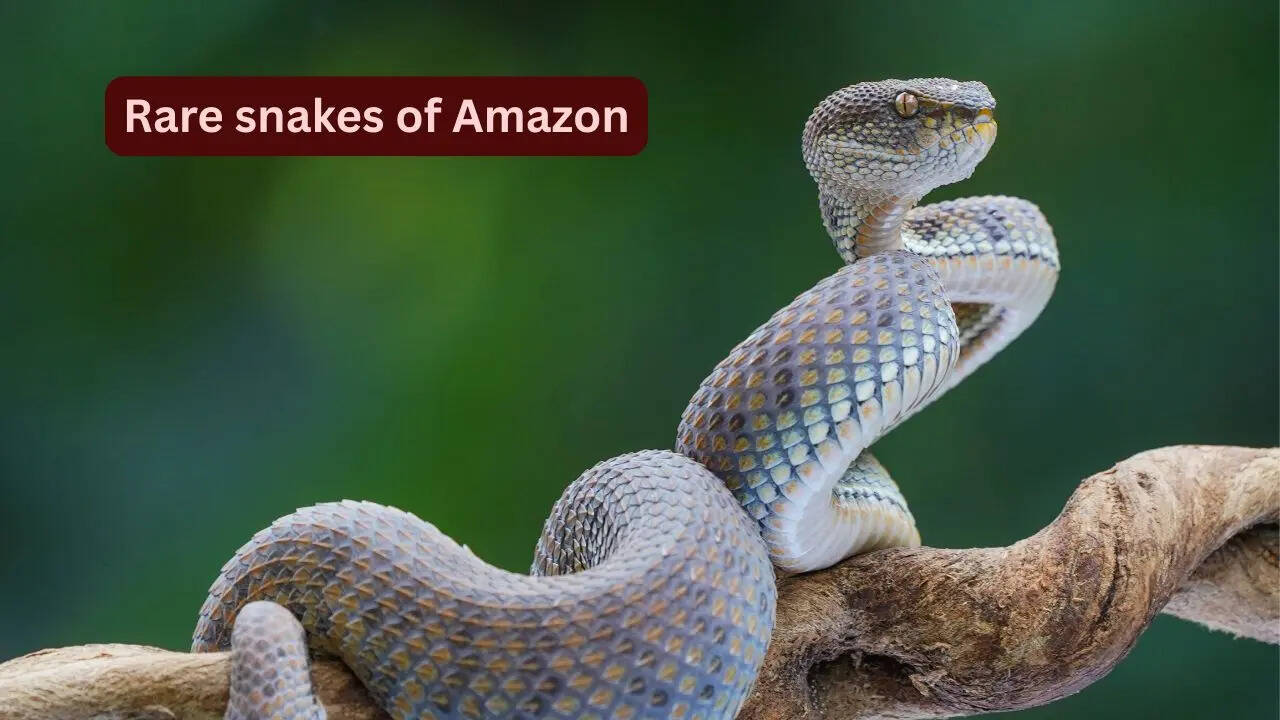
Inside Malaysia’s Snake Temple where venomous vipers live among prayer halls and people worship alongside them |
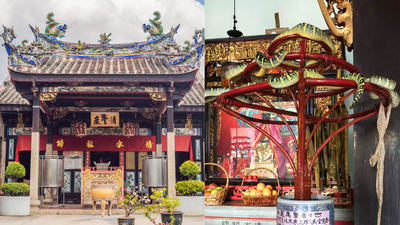
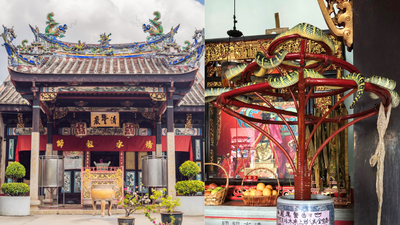
On the southern edge of Penang Island in Malaysia stands a temple unlike almost any other in the world. Visitors who step inside expecting a typical place of worship are often surprised to find live venomous snakes coiled around wooden beams, resting near shrines and draped across branches placed throughout the temple. Known simply as the Snake Temple, this centuries-old sanctuary has fascinated travellers, historians and wildlife enthusiasts for generations. While the sight of venomous pit vipers sharing space with worshippers may seem extraordinary, for the temple’s devotees it is a tradition that has endured for more than 200 years, blending faith, folklore and nature in a way found nowhere else.
A snake temple dedicated to a revered healer
The Snake Temple was built in 1805 and is dedicated to Chor Soo Kong, a Chinese Buddhist monk who lived during the Song Dynasty and was renowned for his healing abilities and compassion.According to temple tradition, Chor Soo Kong offered shelter not only to people but also to animals. After his death, devotees believed that snakes began appearing at the temple as a sign of respect for the monk and the sanctuary he represented.The temple’s official name is the Temple of the Azure Cloud, but its unusual reptilian residents eventually earned it worldwide fame as the Snake Temple.Today, worshippers continue to visit the temple to offer prayers, seek blessings and honour Chor Soo Kong’s memory.
The venomous snakes that made the temple famous
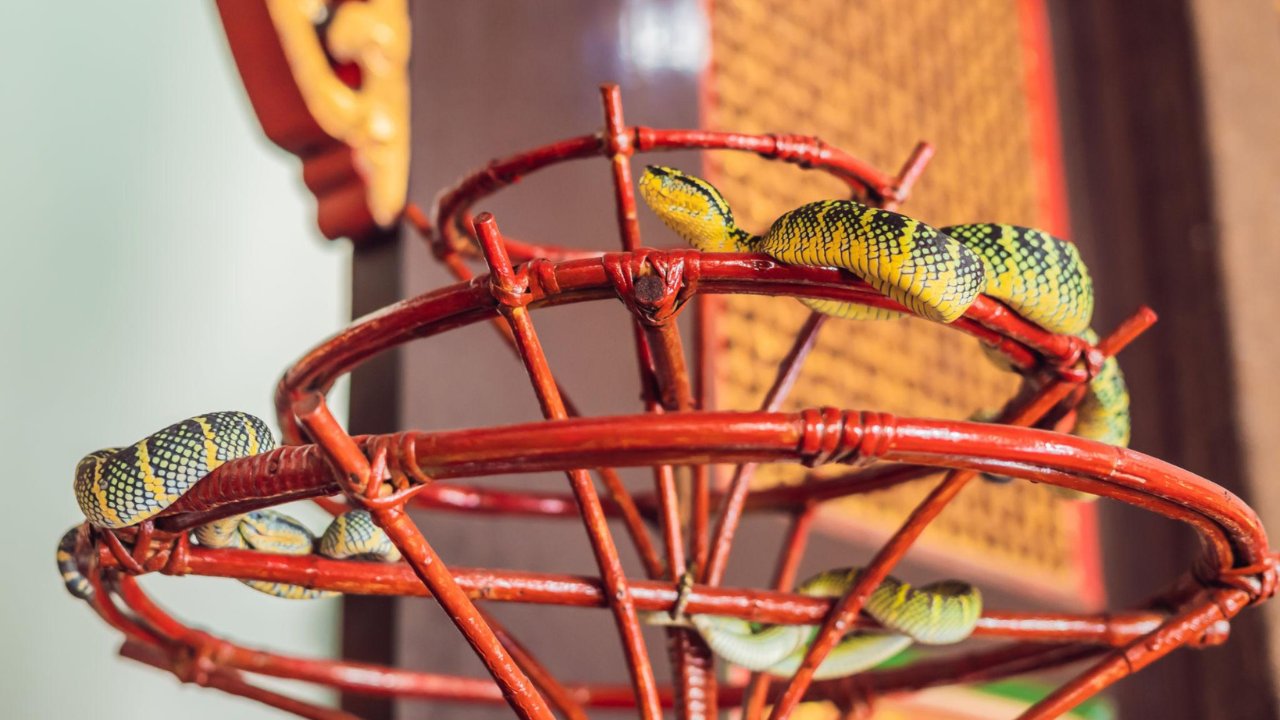
The temple’s best-known residents are Wagler’s pit vipers, a venomous species native to Southeast Asia that is sometimes referred to as the Temple Pit Viper because of its association with the site.These striking snakes are easily recognised by their triangular heads, heat-sensing facial pits and distinctive green, yellow and black colouration. Females can grow considerably larger than males and are among the most visually impressive pit vipers found in the region.Visitors often spot the snakes curled around branches, perched near shrines or resting quietly throughout the temple grounds. Their presence has become so closely linked to the temple that many people travel to Penang specifically to see them.
Why don’t the snakes attack visitors?
One of the most common questions asked by visitors concerns safety.For decades, local folklore suggested that the snakes were calmed by the constant aroma of incense burning throughout the temple. While this explanation became part of the temple’s legend, herpetologists point to a more scientific reason.Wagler’s pit vipers are naturally sedentary snakes that spend long periods resting motionless during the day. They typically conserve energy and only become more active when hunting or threatened.Temple authorities have historically maintained strict supervision of the snakes, and visitors are strongly advised not to touch, provoke or disturb them.As a result, serious incidents involving visitors are extremely rare.
A unique blend of religion and wildlife
What makes the Snake Temple remarkable is not simply the presence of snakes, but the way they have become integrated into the temple’s identity.In most places, venomous reptiles would be removed from public spaces. At the Snake Temple, however, they are regarded as part of the site’s living heritage.The temple continues to function as an active place of worship, with devotees lighting incense, making offerings and participating in religious ceremonies while snakes rest nearby.This coexistence has transformed the temple into one of Malaysia’s most unusual cultural landmarks, attracting both pilgrims and tourists from around the world.
The mystery of the disappearing snakes
Historic photographs reveal that the temple once contained far more snakes than visitors typically see today.Researchers and local historians attribute much of the decline to rapid urbanisation around Bayan Lepas. Over the last century, forests and natural habitats surrounding the temple have largely been replaced by roads, residential developments and industrial zones.As suitable habitat decreased, the number of wild snakes naturally finding their way to the temple also declined.Even so, the temple remains one of the few places on Earth where visitors can still observe venomous pit vipers in such an unusual setting.
Celebrations that draw thousands of devotees
The temple becomes especially lively during celebrations marking the birthday of Chor Soo Kong, observed on the sixth day of the first lunar month.During this annual festival, devotees from Malaysia, Singapore, Taiwan and other parts of Asia travel to Penang to participate in ceremonies and seek blessings.The celebrations provide a reminder that despite its reputation as a tourist attraction, the Snake Temple remains first and foremost a religious site with deep cultural significance for many worshippers.The Snake Temple’s enduring appeal lies in its ability to bring together several worlds at once. It is a place of worship, a historical monument, a wildlife attraction and a living expression of local folklore. For some visitors, the temple is an opportunity to see venomous snakes up close. For others, it offers insight into centuries-old religious traditions that continue to shape community life in Penang.More than 200 years after it was built, the Snake Temple remains one of Malaysia’s most fascinating landmarks. It is a place where faith, history and nature continue to coexist beneath the same roof, watched over by the silent pit vipers that made it famous.