
Organ Stress: No symptoms, real risk: Subtle signs of organ stress most people ignore and how to prevent damage
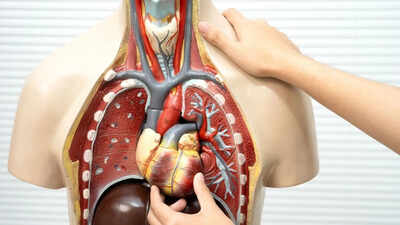
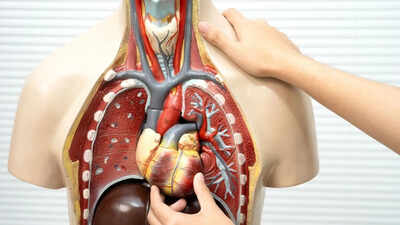
Most people wait for pain before they pay attention. But the body rarely begins with pain. It starts with small shifts, energy dips, skin changes, subtle discomfort. These are not random. They are early signals that something inside is under strain.As Dr Bhanu Mishra puts it, “Most organ damage happens without any noticeable symptoms. People usually ignore the signs of organ stress because they aren’t obvious.”That is the quiet danger. By the time symptoms become loud, the damage often runs deep. The real skill lies in noticing what seems easy to dismiss.
Fatigue that sleep cannot fix
Tiredness is common. But fatigue that lingers even after proper rest deserves attention. It may not be about a busy schedule. It can point to how the body is filtering waste or processing nutrients. The liver and kidneys work silently, but when strained, they affect energy first.Dr Mishra explains, “Chronic fatigue can mean that there is an issue with your liver or kidneys but not sleep deprivation.”This kind of fatigue feels different. It is heavier. It slows thinking and dulls motivation. Over time, it becomes the new normal, which makes it even easier to ignore.A study published in the Journal of Family Medicine and Primary Care highlights how lifestyle diseases are rising quietly, often detected only during routine screenings.
The brain’s distress signals
The brain rarely fails suddenly. It shows strain in subtle ways. Headaches that come and go. A sense of fog. Trouble focusing on simple tasks. These are often brushed off as stress or screen time. But they may point to deeper issues.Dr Mishra notes, “Headaches and brain fog can be a sign of dehydration, high blood pressure, or the presence of toxins in your body.”At the same time, Dr Gaurav Batra adds, “Any changes in cognition, like memory lapses or poor focus, may be an indication that your brain is under strain.”Even slight dizziness or brief unsteadiness can hint at nerve compression or poor circulation. These are not dramatic signs, but they matter.
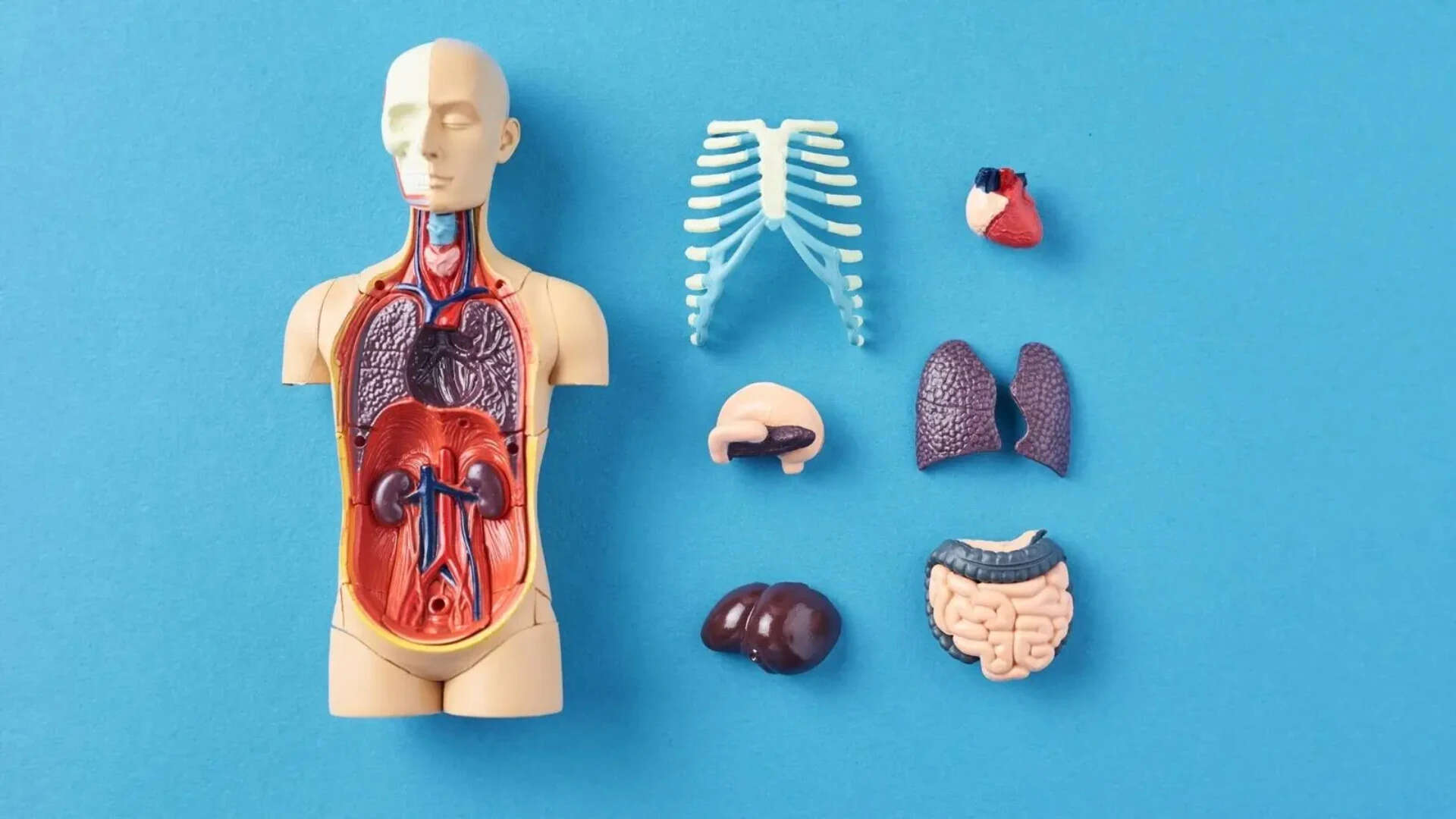
It highlights expert insights and stresses prevention through lifestyle habits, regular check-ups, and early detection to avoid serious health complications.
What your urine, appetite, and gut reveal
The body has simple ways to show internal imbalance.Changes in urine color. Swelling in the legs. Puffiness around the eyes. These are often ignored or blamed on diet or weather.But Dr Mishra warns, “Dark-colored urine, swelling of the legs, and puffiness around the eyes can mean there is kidney stress.”Similarly, digestion speaks volumes. Bloating, loss of appetite, or frequent discomfort after meals may not just be about food choices.He adds, “Indigestion, bloating, and loss of appetite can mean stress of your liver or pancreas.”These signs are not loud, but they are consistent. That consistency is what should raise concern.
Skin, hair, and nails: The external mirror
The body often shows its internal state through the skin. A dull tone. Persistent itching. Slight yellowing. These are not cosmetic issues alone. They may reflect deeper imbalance.Dr Neeharika Goyal explains, “Your skin too can serve as an indicator of something wrong within your body. Itching, lack of shine, or a bit of yellowness can signal that something isn’t quite right inside your body.”She adds, “Pay attention to brittle nails, hair thinning, or unusual fatigue, as these may reflect nutrient deficiencies or internal imbalance.”The skin does not lie. It reflects what the body lacks, absorbs, or struggles to process.
Small physical discomforts that point deeper
Not all warning signs feel serious. A slight stiffness in the back. Occasional numbness in the legs. A brief dizzy spell when standing up. These feel minor, but they can signal early nerve or spine stress.Dr Batra says, “Numbness in legs at times, slight back stiffness, dizzy spells, and temporary unsteadiness may be overlooked, but they could indicate the onset of nerve compression or circulation impairment.”These symptoms often come and go. That makes them easy to dismiss. But patterns matter more than intensity.Modern imaging and early diagnosis have shifted focus from late treatment to early detection. Catching these signs early can prevent long-term damage.
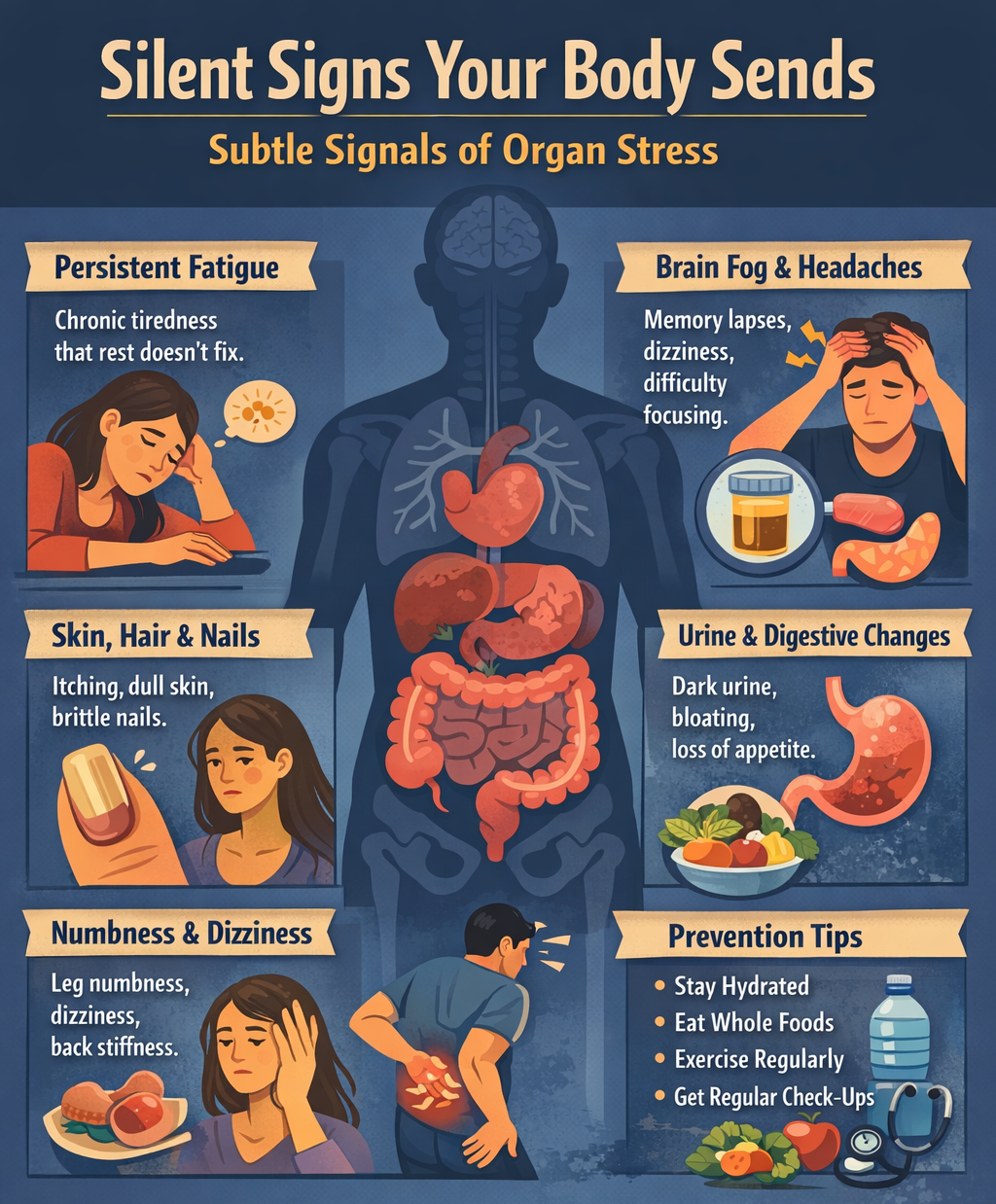
These signs are easy to miss because they fit into everyday life.
Prevention is not dramatic, it is consistent
There is no single fix. Prevention is built through daily habits.Dr Mishra outlines it clearly: “Hydration helps in filtering out toxins through the kidneys. An appropriate diet consisting of whole foods, fiber, and antioxidants reduces stress from the liver and digestive organs.”He adds, “It’s important to minimize processed food, salt intake, sugar, and alcohol consumption. Exercise helps in improving circulation and the efficiency of all organs in the body. Adequate rest helps the body recuperate.”Dr Goyal echoes this with a focus on balance, nutrition, hydration, and stress control.Dr Batra highlights posture, movement, and reduced screen time as essential for neurological health.And perhaps the most overlooked step: regular check-ups. Even without symptoms.
Learning to listen early
The body rarely surprises without warning. It prepares, signals, and adjusts. The problem is not silence. The problem is inattention.These signs are easy to miss because they fit into everyday life. But noticing them early can change outcomes entirely. In health, that “new” begins with awareness.Medical experts consultedThis article includes expert inputs shared with TOI Health by:Dr Bhanu Mishra, Consultant-Nephrologist, Fortis Hospital, Shalimar Bagh.Dr Neeharika Goyal, Director- Dermatology, Svastam wellness, New Delhi.Dr Gaurav Batra, Neurosurgeon (Brain & Spine), Max Hospital, Vaishali.Inputs were used to explain how subtle signs of organ stress are overlooked, even though they may indicate serious underlying damage, and why early medical guidance is important to prevent long-term harm.