Stop using red feeders: This overlooked vine keeps hummingbirds in your yard all summer |
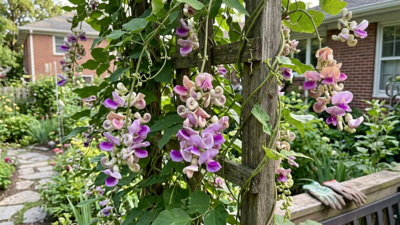
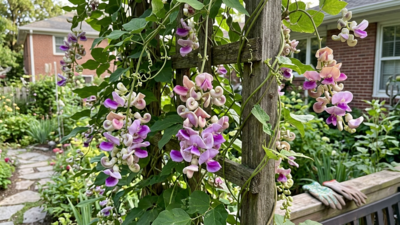
If you’ve been trying to get hummingbirds actually to stay in your yard, not just fly through, you’ve probably tried the usual suspects: a red feeder, some salvia, a lantana bush, if you’re feeling ambitious. While they do work, there is one plant no one mentions that may be the most effective of all: the corkscrew vine.What is a corkscrew vineCochliasanthus caracalla is the official name for this fast-growing climber from tropical South and Central America. The blooms are wonderfully weird, in the best way possible, spiralling in like a tiny nautilus shell and giving the plant its nickname, snail vine. The blooms are white, creamy yellow and soft purple, and they have a sweet, heady scent that is not overpowering, like an expensive candle, but outdoors and free.It grows quickly, and it blooms from late spring into fall, the very time that hummingbirds are active throughout much of the US.Why hummingbirds are obsessed with itThe thing about hummingbirds is that they are not random. They follow nectar, and they follow flower shapes that their beaks were essentially built for. The corkscrew vine bloom is tubular and spiral, basically the hummingbird’s dream architecture: long beak, long tongue, flowers with nectar inside. It’s a perfect fit, not just anecdotally. A study published in the journal Flora confirms that the asymmetrical bloom structure of Cochliasanthus caracalla is specifically shaped to reward certain pollinators, hummingbirds included.The brighter-colored varieties also help, because hummingbirds are famously attracted to warm, vivid hues. Research published in Behavioural Processes on hummingbird foraging behaviour supports this. The birds reliably return to flower sources that provide reliable, high-reward nectar, which is exactly what the corkscrew vine provides across a long bloom window.
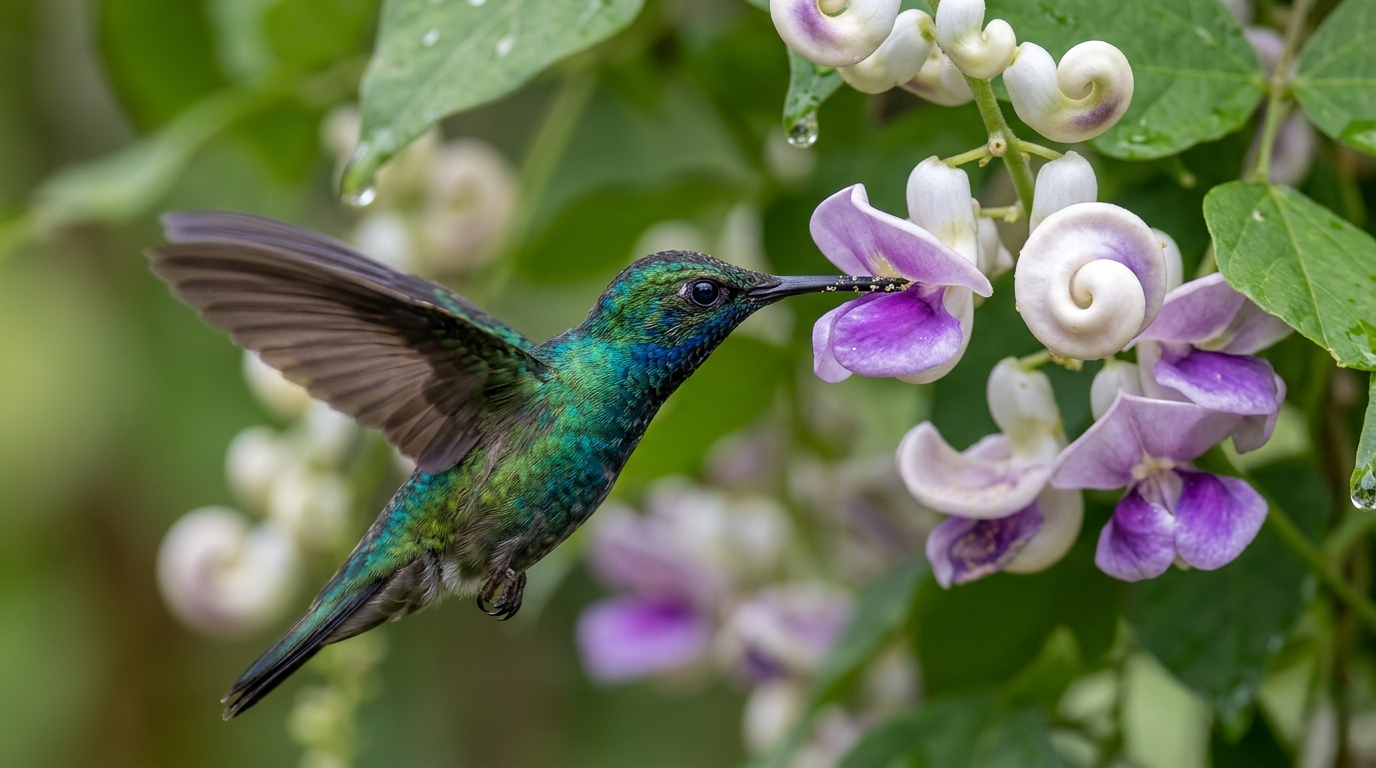
A hummingbird feeding on the spiral blooms of a corkscrew vine. The flower’s tubular shape is practically built for them. Image Credits: Google Gemini
Growing it without a ton of effortThe really good news is that this is not a high-maintenance plant. There are a few non-negotiables, but not anything you will need to change your weekend for.Sun: Needs full sun, at least six to eight hours a day. A south or west-facing fence, porch post or trellis is best.Water: Keep soil constantly moist but not waterlogged. It will sulk and wilt in a drought, so watch it during hot spells. If you are growing it in a pot, it dries out more quickly and needs more attention.Soil: Well-drained, slightly acidic. If you are putting it in containers, a good quality outdoor potting mix will work fine.Fertiliser: It is a heavy feeder. A balanced liquid fertilizer once a month through the growing season keeps it happy and blooming.Pruning: Light clean-up in late winter or early spring before new growth starts. In spring, pinch back the tips and remove dead or damaged stems to create a bushier, more compact plant.Container growing is the moveBecause this vine can take over a space so quickly, many people, especially apartment dwellers with balconies or anyone with a smaller outdoor footprint, grow corkscrew vine in a large container. It keeps the size in check, lets you move it around to follow the sun, and still does everything you want it to: bloom, smell amazing, attract pollinators.All you need is a large pot by a patio door or on a balcony railing, trained up a simple trellis. You don’t need a big backyard to do this.When to plant itIf you live in USDA zones 9 through 11 (Southern California, Arizona, Texas, Florida, or basically anywhere that doesn’t get hard freezes), this is a perennial that comes back year after year. Plant in spring after the last frost, give it something to climb on, and you’re set. If you live in a cooler zone, treat it as an annual. You’ll still get the full summer show, but it won’t just overwinter.Hummingbirds don’t just show up out of nowhere; they go to the best food sources, and this vine is tough to beat. Once established, it blooms for months, smells amazing and asks very little in return. For a plant that does that much work, it’s surprisingly easy to find, grow and maintain.