Vulgur Song Content: From Honey Singh to Badshah and Nora Fatehi: Are ‘objectionable’ songs influencing youth behaviour? | Mumbai News


The music we listen to today, and the content we watch on TV, YouTube and other OTT platforms, has been facing backlash across the country over its “objectionable” nature, especially songs that appear to glorify crime.From songs linked to Yo Yo Honey Singh and Badshah being taken down, to the controversy around “Sarke Chunar Teri Sarke” featuring Sanjay Dutt and Nora Fatehi, the issue has now reached courts and regulatory bodies.
Across the country, police, courts and authorities have begun acting—through takedowns, FIRs and notices—sparking a wider debate over where to draw the line between creative freedom and responsibility.
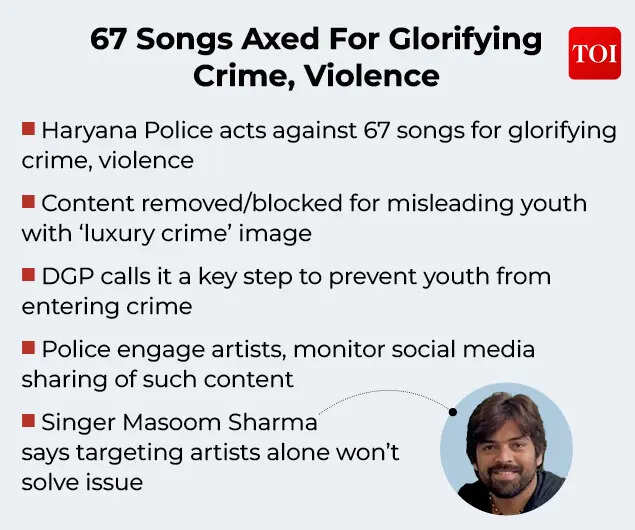
67 songs flagged, removed for promoting ‘gangster culture and violence’In January, Haryana Police’s Special Task Force (STF) and cyber unit acted against 67 songs across platforms like YouTube and Spotify, terming them “objectionable” for glorifying gangsters, weapons and violence.Officials said these tracks portrayed a misleading image of luxury linked to crime, influencing youth and potentially pushing them towards unlawful activities. Most of the content was either removed or blocked.Director general of police Ajay Singhal described the move as a “crucial step” aimed not just at curbing crime but preventing young people from entering criminal pathways.“Such songs present criminals as role models, while the reality is filled with danger, hardship and legal consequences,” he said.STF IG Satheesh Balan added that authorities have also engaged with singers and content creators, urging them to avoid promoting violence. Police are now monitoring social media engagement, including users who like or share such content.
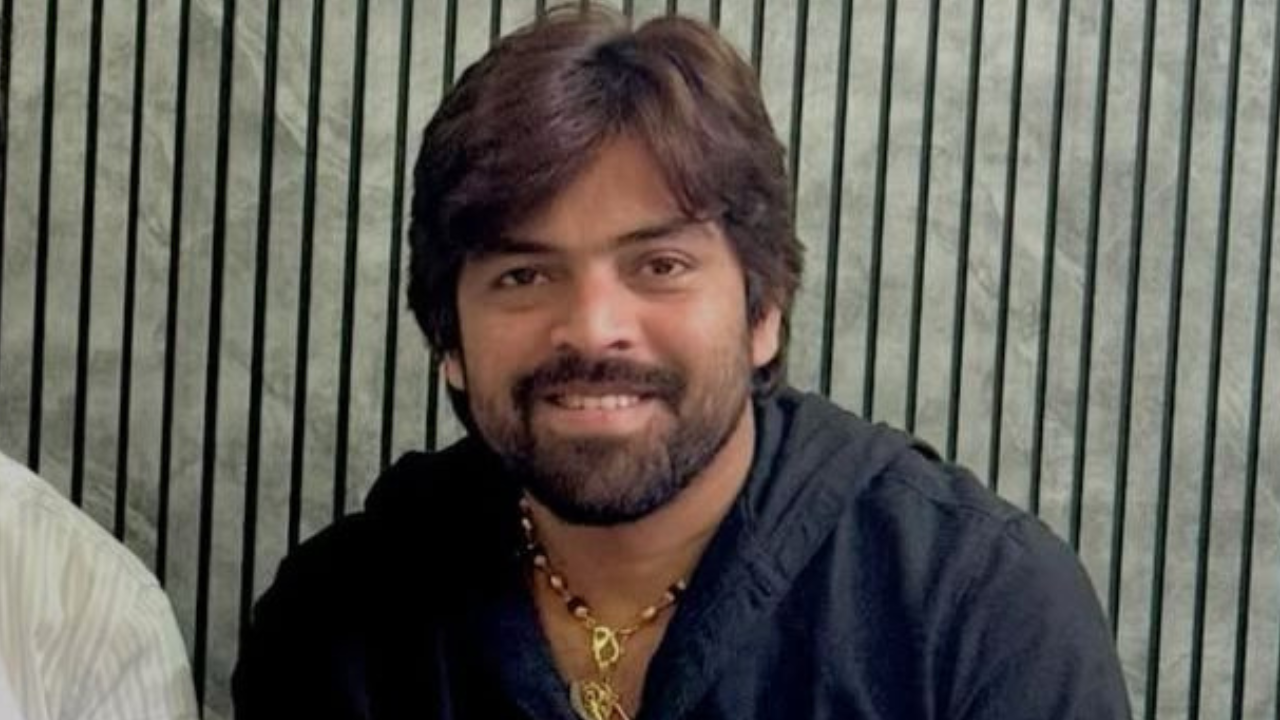
Reacting to the crackdown, Haryanvi singer Masoom Sharma defended the industry, arguing that isolated action against artists would not solve deeper issues.He called for uniform laws across the country to address problematic content and suggested stricter action against platforms like gambling apps that “mislead youth.”“There are many issues that need attention, targeting individual artists alone does not solve the problem,” Masoom said, adding that Haryana’s music industry could achieve national prominence with better institutional support.
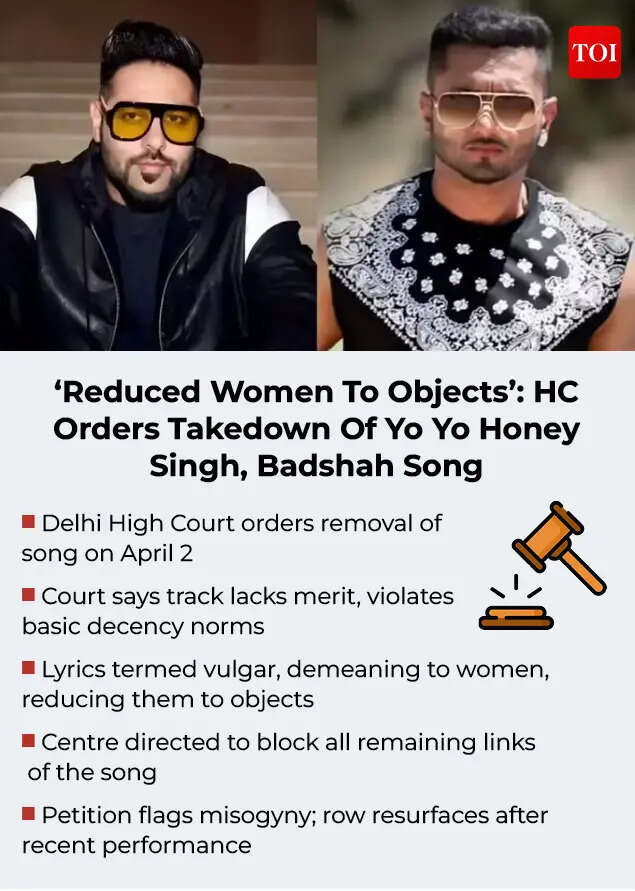
Yo Yo Honey Singh, Badshah song taken down over ‘vulgar’ contentOn April 2, the Delhi High Court directed the removal of an allegedly “vulgar” and “derogatory” song linked to rappers Yo Yo Honey Singh and Badshah.Justice Purushaindra Kumar Kaurav observed that the song lacked “any artistic or social merit” and crossed basic standards of decency. The court said the lyrics objectified women and could not be justified under free speech protections, especially given accessibility to minors.The order came on a petition by Hindu Shakti Dal, with the court directing both artists and concerned platforms to ensure complete removal of the track and its variants.The Delhi High Court also directed the Centre to block additional links hosting the song.During the hearing, it observed that the content crossed basic standards of civility and should not remain in circulation, adding that even the title was inappropriate to record.The petition claimed the song, allegedly released around 2006–07, promotes misogyny and violence against women. It also noted that despite denial of involvement, parts of it were reportedly performed by Honey Singh at a recent concert, reviving the controversy.

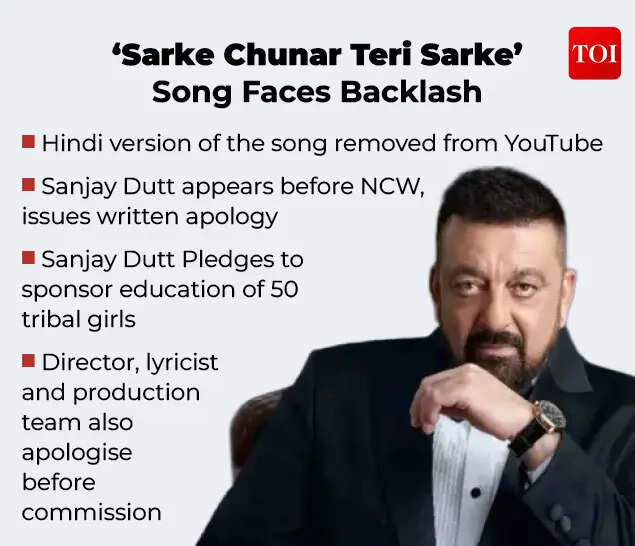
‘Sarke Chunar Teri Sarke’ faces legal heat; Sanjay Dutt apologisesAnother controversy erupted over the song “Sarke Chunar Teri Sarke,” featuring actors Nora Fatehi and Sanjay Dutt.A complaint filed before the Central Board of Film Certification (CBFC) alleged that the song contained “highly vulgar” and sexually suggestive content harmful to minors. The complainant also cited potential violations under the Bharatiya Nyaya Sanhita, POCSO Act and IT Act.

Following the backlash:
- The Hindi version of the song was removed from YouTube.
- Actor Sanjay Dutt appeared before the NCW on 27 April and issued a written apology expressing regret for any “unintended” harm caused to society.
- Sanjay Dutt has pledged to support the education of 50 tribal girls as part of a social welfare and women’s empowerment initiative.
- Other people associated with the song, including director, lyricist, and representatives of KVN Production Company—Gautam K M and Suprith—tendered their apologies.
The NCW reiterated that artistic freedom must be exercised with responsibility, especially when content reaches wide and young audiences. Nora Fatehi, currently abroad, has sought a new hearing date.
FIR against Mewati singer Aslam over song ‘promoting crime’Cyber police in Nuh have registered a case against Mewati singer Aslam for allegedly sharing objectionable content through a recently released song on social media, officials said.The FIR was filed following a complaint by the district’s social media monitoring cell.According to the complaint, the song—uploaded on his YouTube channel—contains content that promotes unlawful activities. Officials said the visuals and lyrics allegedly glorify illegal weapons and refer to criminal acts, including threats of extortion and firing incidents at different locations.Nuh police chief Arpit Jain had earlier ordered strict monitoring of social media and action against content that promotes criminal behaviour.Police added that similar action will be taken against any individual or channel found sharing objectionable material online.

Diljit Dosanjh concert faces curbs over ‘alcohol-promoting’ songsThe debate has now reached live performances as well. Singer Diljit Dosanjh’s Ludhiana concert came under scrutiny after a complaint sought a ban on songs allegedly promoting alcohol.Authorities were asked to stop the performance of certain tracks, even in modified form, citing concerns over their social impact and earlier advisories issued to the singer.The notice to local officials specifically named songs like Patiala Pegg, 5 Tara Theke and Case (Jeeb Vicho Feem Labbiya), calling for restrictions on their performance.The complaint also pointed to previous warnings issued to Dosanjh by various commissions, alleging that he continued to perform these songs with slight changes to the lyrics.

Rajasthan Police warns local artists; flags ‘wrong message’ to youthIn Rajasthan’s Bhilwara, police have taken preventive action against several local singers accused of glorifying gangsters and mining mafia through their songs.Bhilwara police’s social media cell identified such singer artists and took preventive action against many of them, including Raju Rawal, Sonu Gurjar, Samdu Gurjar, Mukesh Gurjar, Ladu Gurjar, Raju Lal Gadri, and Madan Gurjar, the SP said.SP Dharmendra Singh Yadav said such content sends a “wrong message” to youth and warned of strict legal action against future violations.Police have also appealed to the public not to promote or circulate such material.Haryana khaps call for complete ban on songs promoting gun cultureAdding to the pressure, khap panchayats in Haryana’s Jind, Rohtak and Charkhi Dadri last year called for a complete ban on songs promoting gun culture and vulgarity.At a joint meeting, leaders from several khaps, including Kandela, Majra, Punia, Baarah, Daharan and Dahia, urged artists to stop producing such content. They warned that if action is not taken, khaps may take collective decisions on the issue.Community leaders also raised concerns over the impact of such songs on youth behaviour.“These songs promote intoxication, fights and obscenity. They cannot be played in family settings,” a khap leader said.Echoing similar concerns, the Sarv Jatiya and Phogat khaps, at a meeting in Charkhi Dadri, also demanded a blanket ban on songs glorifying gun culture and vulgarity.The recent spate of actions—from police crackdowns to court interventions—signals a tightening regulatory stance on digital and musical content in India.While authorities maintain that such steps are necessary to protect youth and uphold social values, artists and industry voices argue for clearer, consistent laws rather than selective enforcement.