Why this popular South Indian destination is emerging as India’s most unconventional real estate play
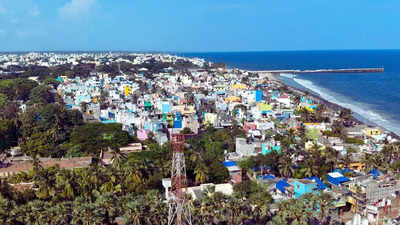
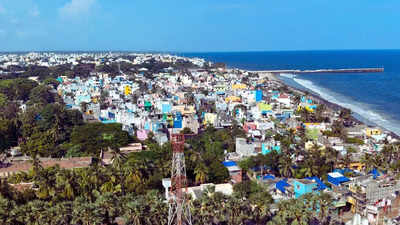
When Geeta Sharma bought a property in Goa, all she was thinking was a holiday home, but she soon realised that she had unknowingly invested in a property which could actually earn for her. Goa was more than just a place to go on vacation now. It is slowly but surely becoming a possible place to invest in real estate. By 2026, this change will be easier to see as real estate activity starts to line up more closely with tourism growth, rising prices, and changing patterns of property use. The result is a market that is getting more and more serious investors interested, even from Delhi-NCR.What has triggered this changeThis change is not just a story. It is backed by demand-side momentum. According to official data from the Goa Tourism Department, the state welcomed a record-breaking 1.08 crore (10.8 million) total tourists in 2025. This is a level that few other leisure markets in India can match. At the same time, reports from companies like Knight Frank and Anarock show that prime micro-markets, especially in North Goa, have seen prices go up steadily in the high single digits, with bigger jumps in certain villa and branded residential segments.For investors in Delhi NCR, the difference in yield is what makes it appealing. In NCR, residential real estate usually only gets rental yields of 2–3%, even in the best areas. Goa’s economy works in a different way. Tourism demand is no longer confined to winters, which used to be the peak season for visits. A favourable ecosystemThis ecosystem has also grown up. Managed rental platforms like Airbnb and companies like StayVista have made it easier to manage properties, find guests, and keep them in good shape. The market is still a little bit broken up, but investors today don’t rely as much on informal local networks and can more easily work in a structured, service-led setting. A villa in North Goa is becoming more and more like a hybrid asset, with some parts being residential and some parts being for hospitality.

Shift in buyer intentThe change in buyer intent is just as important. The move to remote and hybrid work after the pandemic has stabilised in fields like consulting, media, and entrepreneurship. For some of Delhi’s professionals, where they work is now more flexible than it used to be. Goa is a different base that has less people, is better for the environment, and improves your lifestyle without necessarily affecting your income. Because of this, properties are being used differently. People no longer just use their homes once in a while; they live in them, rent them out, and move them around throughout the year. This mixed-use model improves both asset use and overall returns, making the case for the investment even stronger.A change in real estate marketThe real estate market has also changed. It used to be limited to small developments and standalone villas, but now there is a slow move toward more organized offerings. Gated communities, branded homes, and design-led developments are becoming more common, especially in North Goa. This is because investors want more and developers are working in a more organized way.According to Sunil Sisodiya, Founder & Chairman, Neworld Developers, “The shift is not anecdotal. It rests on two solid measures. To begin with, Goa garnered a massive number of tourists in 2025, the strongest demand-side signal for any real estate market in India. Second, a number of brokerage and market trackers report that the prime micro-markets in Goa have experienced annual property price escalation annually. They are both changing the game for investor behaviour at a fundamental level.“Growth in infrastructureInfrastructure has sped up this change even more. Manohar International Airport is now open for business, which has made it much easier to get there, especially for people from North India. As connectivity gets better, new micro-markets are opening up and people are feeling less like they can’t travel. For investors, this means that occupancy rates are likely to go up and long-term liquidity will be better. This trend at the portfolio level is also a sign of a bigger strategic change. Delhi-NCR’s real estate market is still stable, but it isn’t making huge gains in all of its micro-markets anymore. Investors are more and more interested in investing in different places, and Goa has a unique demand base. In NCR, demand is mostly driven by end users, but in Goa, there are many different types of demand, such as tourists, long-term professionals, expatriates, and lifestyle buyers.That being said, the market isn’t easy to understand. It takes a lot of work to make sure that the rules are clear, especially when it comes to land titles, zoning rules, and rental licenses. Also, if you don’t think carefully about when to enter, the risk of overvaluation goes up when prices move quickly in some areas. The real estate market in Goa is changing, but it isn’t quite the same everywhere yet. What makes this phase different is the type of capital that is coming into the market. More and more investors, especially those from Delhi, are coming to Goa not just to take advantage of good deals, but as part of a more planned allocation strategy that takes into account yield, appreciation, and lifestyle value.In a lot of ways, Goa is now the place where real estate and hospitality, consumption and investment all come together. The state is moving from the edge of India’s investment landscape to a more central position as tourism demand grows and real estate activity picks up. Investor interest is following suit.