
When can babies have sugar and salt? |
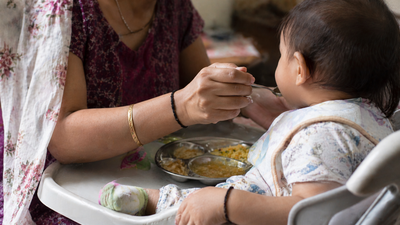
In the early months of life, feeding a baby can feel both instinctive and uncertain at the same time. Every new food raises quiet questions, what is safe, what is too early, what might do more harm than good? Among the most common concerns for parents is when to introduce everyday ingredients like sugar and salt. They seem harmless, even essential in adult diets, yet for babies, the rules are very different. Early nutrition is not just about filling a stomach; it is about shaping taste, supporting growth and protecting developing organs. Understanding when and how to introduce sugar and salt becomes an important part of that journey. Scroll down to know more… The rule for sugarFor babies under 1, official guidance says do not add sugar to food or drinks. The NHS says there is no guideline limit for babies under 1, but sugars should not be added, and the frequency and amount of sugary foods and drinks should be kept as low as possible. The CDC similarly says infants and young children have no room in their diet for added sugars.
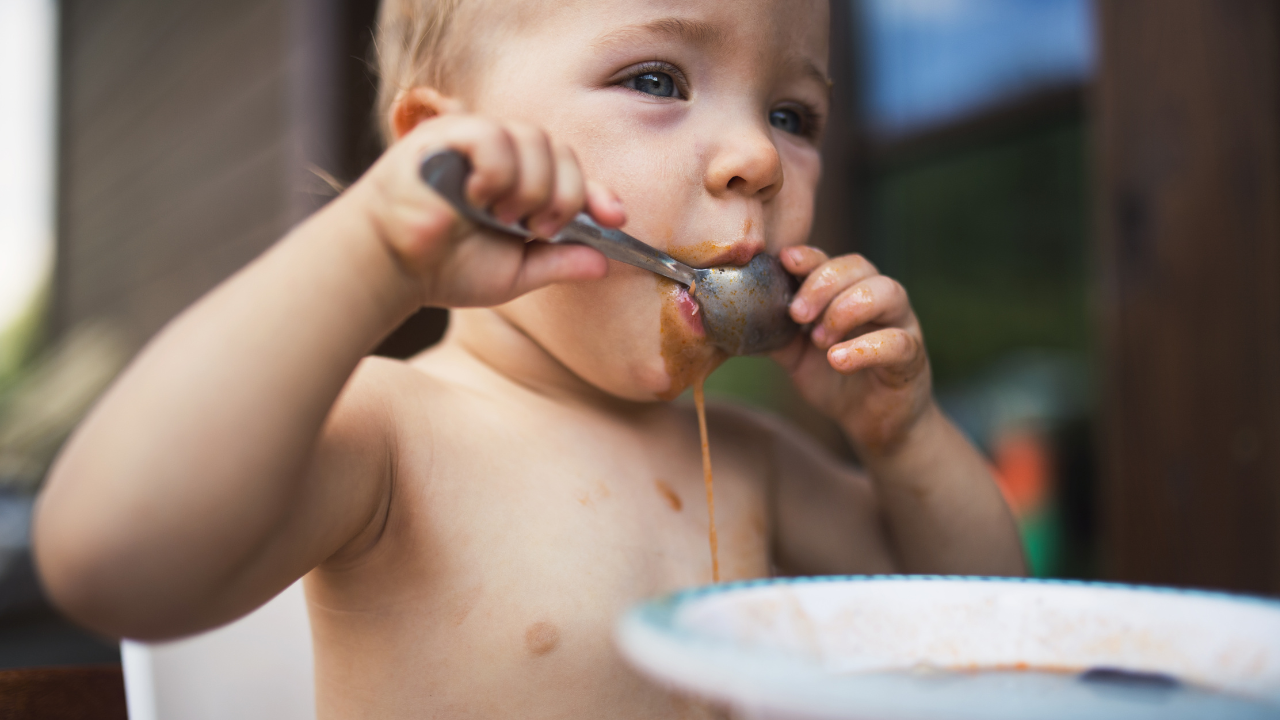
That matters because sugar is not just an “empty calorie” issue. NHS guidance notes that sugar can cause tooth decay, and AAP guidance advises avoiding sugar-sweetened drinks and foods for children under 1, especially fruit juice and other sweetened beverages.The rule for saltBabies also should not have added salt. The NHS says not to add salt to a baby’s food or cooking water, and not to use stock cubes or gravy, because babies’ kidneys are not fully developed and cannot process much salt. It also advises avoiding salty foods such as bacon, sausages, chips with added salt, crackers, crisps, ready meals and takeaways.This is not just a “baby taste preference” issue. WHO also recommends reducing sodium intake in children, and its guidance on sodium and blood pressure reinforces that sodium should be kept down across childhood.So when can they have it?
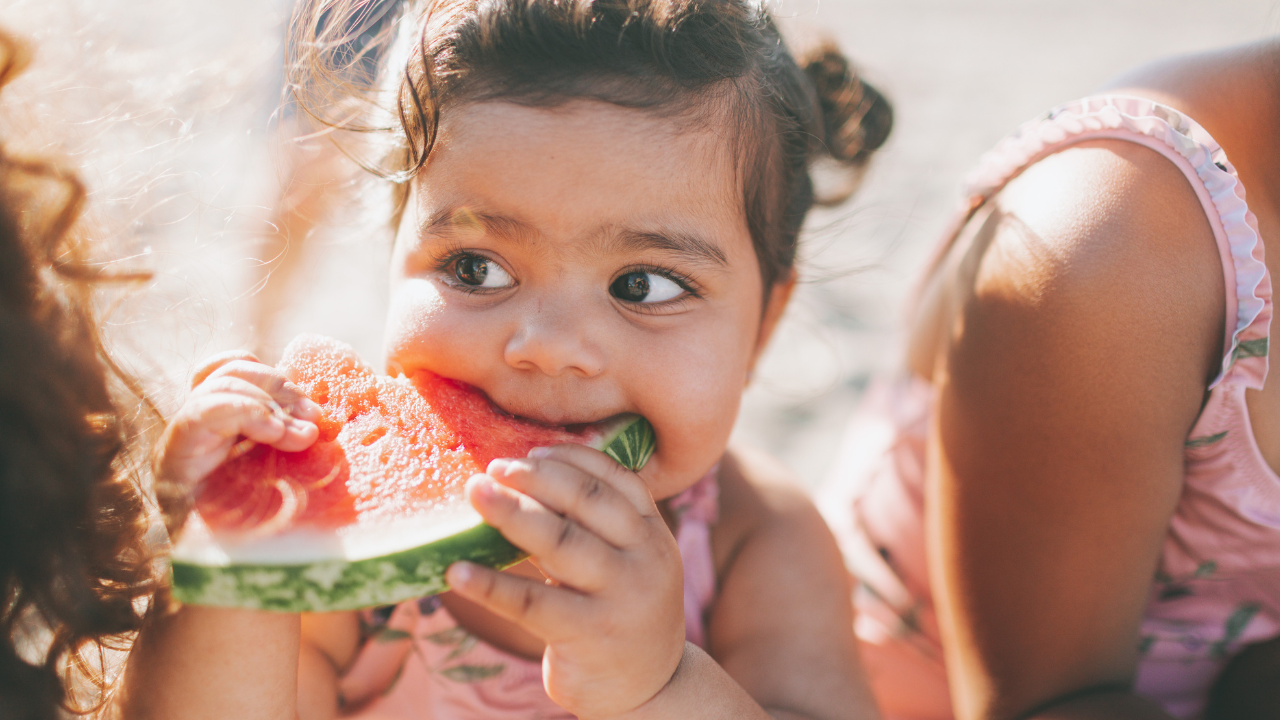
Here is the practical version:0 to 6 months – no solid food yet, so no added sugar or salt at all. Breast milk or infant formula is the main food.Around 6 months – solids can begin, but they should be plain and age-appropriate, without added sugar or salt.Under 1 year – keep added sugar out of food and drinks, and do not add salt to meals.After 1 year, children still do not need sugar or salt added to their food. Even beyond 12 months, it is best to avoid adding them during cooking or at the table, and heavily salted or sugary foods should remain limited. At this stage, the focus should stay on simple, balanced meals that allow children to get used to natural flavours rather than relying on seasoning.What you can feed insteadThe safer approach is to let babies experience the natural taste of food. Plain fruits, vegetables, lentils, oats, rice, yogurt and well-cooked mashed meals are usually more than enough in the early stages. Offering a variety of textures and flavours, without relying on added sugar or salt, helps babies become familiar with real, unmasked tastes, making it easier for them to accept a wider range of foods as they grow.A few useful pointers:
- Choose plain versions of cereals, yogurt and snacks.
- Avoid juice, soda, sweetened drinks and sugary snacks for babies.
- Skip stock cubes, gravy, packaged salty snacks and takeaways for baby meals.
- Use herbs, spices and natural flavours instead of sugar or salt when cooking family food for a baby.
The emotional truth behind the guidelines
This advice can feel strict, especially when adults are used to seasoning everything. But the logic is simple: babies are just starting to build their taste preferences, and the less sugar and salt they get early on, the better chance they have of accepting ordinary food later. Health agencies are unusually aligned on this point: babies do not need added sugar or added salt to grow well. If you are feeding a baby, the safest habit is also the simplest one: keep it plain, keep it fresh, and keep the seasoning for later.