Your bathroom habit is costing you more than you think |
Nobody talks about toilet paper. You use it, you flush it, you go on. However, for years, plumbers, environmentalists and engineers have been quietly raising red flags about this autopilot habit, and the picture they are painting is a little alarming. Here’s the thing: most of us assume that since toilet paper is meant to be flushed, it is totally harmless. Turns out, that assumption is doing some serious damage to your pipes, your wallet, and frankly, the planet.Your pipes are taking a hit every single timeToilet paper doesn’t vanish when it hits the water. Those fibres go through your plumbing, and over time, they begin to clump, particularly in older or even slightly bent, built-up pipes. The research, The drainline transport of solid waste in buildings, found that stronger, less-disintegrating papers are significantly more likely to bunch up and create blockages that lead to the kind of full-pipe backups that plumbers are called out to fix. What begins as a slow drain can become a persistent clog or, worse, a full-fledged sewer backup that no one wants to deal with on a Tuesday morning.Clogs also weaken your plumbing infrastructure over time when they occur repeatedly. We are talking about more frequent maintenance calls and out-of-the-blue repair bills, and increased vulnerability to leaks. The worst of it? Most people don’t trace the problem back to their flushing habits until it is already costing them a lot of money.The premium paper problem nobody warned you aboutHere’s something that might genuinely surprise you: that thick, quilted, three-ply paper you splurge on? It might be the worst thing for your pipes. A study published in Environmental Science and Technology found that premium toilet paper disintegrates much more slowly in wastewater systems than standard paper, with household drains being the most critical and vulnerable point in the entire journey, where breakdown is most limited. The fibres don’t just go through, they stick around and accumulate. If you have been thinking that a better paper means a safer flush, research is saying the opposite is more likely true.For the septic system ownersIf you have a home with a septic tank, the stakes are even higher. Toilet paper fibres build up in your tank and clog the drain field, stopping the filtration process that keeps the whole system moving. It means more frequent pumping, higher maintenance costs and a very real risk of premature system failure.
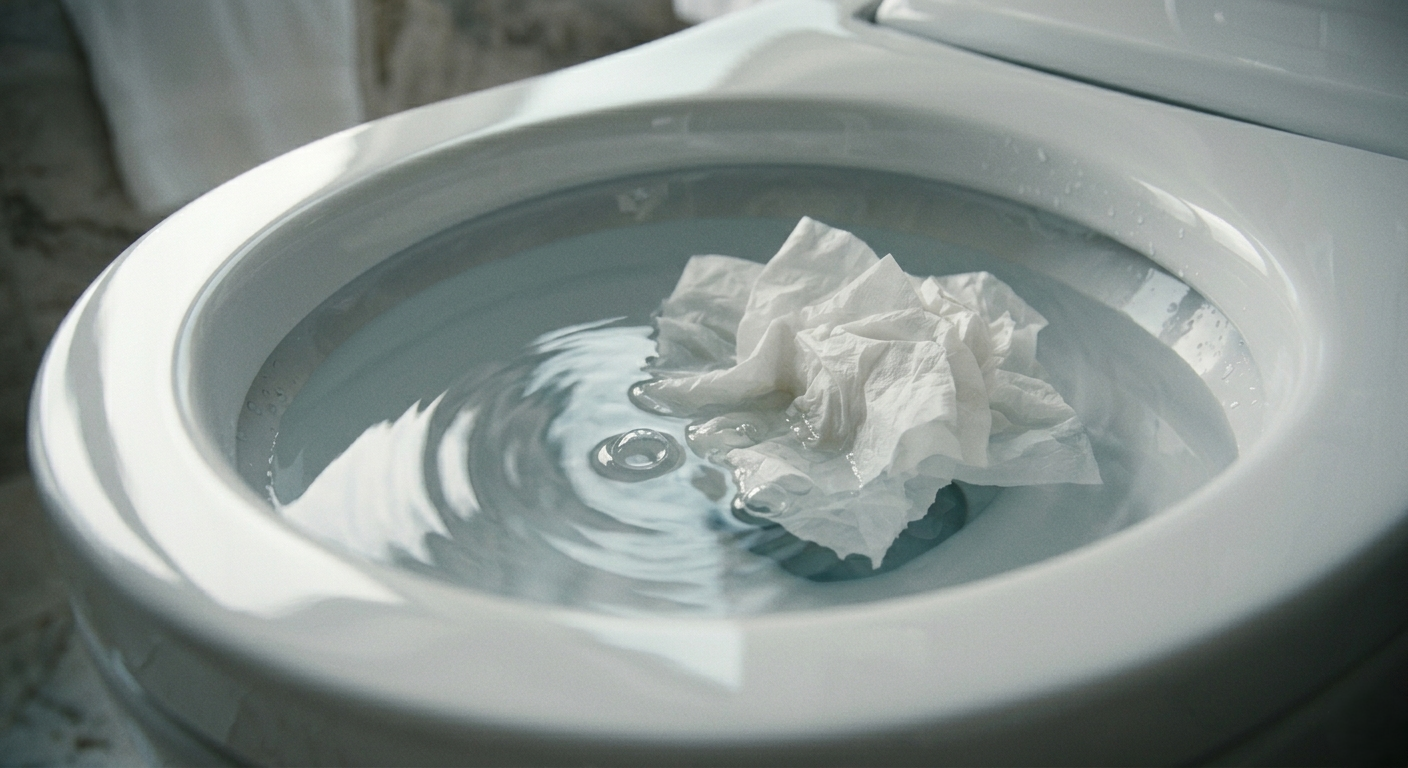
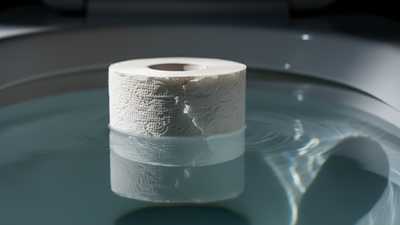
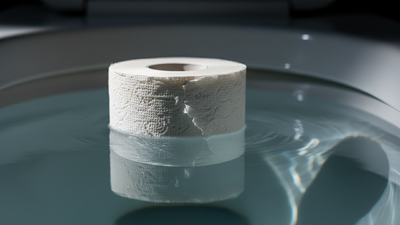
Slow drains, stubborn clogs, expensive callouts; it often traces back to something this simple.Image Credits: Google Gemini
Septic professionals always advise a simple fix: keep a covered waste container in the bathroom for the used paper. It is a little tweak, but it is pulling serious weight to keep the bacterial balance in your tank.The environmental cost nobody talks aboutMass deforestation is caused by toilet paper. Trees are cut to create pulp, destroying habitats and increasing carbon emissions. Then there are the chemicals that go into making it, and you have a product that can leach them into aquatic ecosystems as it breaks down in waterways. When you flush paper down toilets, you are releasing residual chemicals and fibres into the sewage system, adding to water pollution and affecting communities further down the line.What you can do about itThe best thing would be to have a waste bin in your bathroom with a cover. It will keep paper out of your pipes and reduce chemical runoff as well. There is biodegradable toilet paper as well. It breaks down faster and is more environmentally friendly.Other than that, it’s all about awareness. A lot of it is being careful with the roll, not pulling it out all at once. Some homes have dispensers that restrict the amount of paper you can take at one time. Basic plumbing maintenance, like keeping a plunger on hand and avoiding harsh chemical drain cleaners, will go a long way to keeping things flowing smoothly.One small change in habitYou don’t need to make drastic changes to your lifestyle. The ask is actually pretty small. A little awareness, maybe a bin, maybe a change to a more eco-friendly paper, and the reward for that small bit of effort is real. No more plumbing emergencies, less money spent on repairs, a lighter environmental impact, and leaner water systems for all.It is the natural next step for a generation that is already re-thinking fast fashion, single-use plastics and food waste. It’s a quiet habit, but if you change it can make a pretty loud difference.